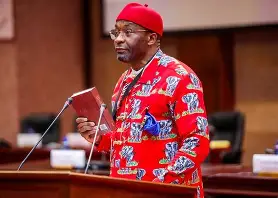
"Nigeria Fighting not Failing" Kalu Urges Private Sector to Forge Nigeria’s Defence Future
Abuja, Nigeria – June 13, 2026 – In a clarion call for self-reliance amid persistent security challenges, Deputy Speaker of the House of Representatives, Rt. Hon. Benjamin Okezie Kalu, has spotlighted the critical role of private sector innovation and collaboration in building a robust national security architecture.
Speaking earlier today at the Nigerian People’s Strategic Conference and Defence Exhibition (NPSCDE) 2026 in Abuja, themed “Building a Modern Security Ecosystem: Integrating Private Sector Capacity into Nigeria’s National Security Architecture,” Kalu delivered a passionate address that blended policy depth with patriotic optimism.
Dressed in his signature vibrant red attire and red cap, the Deputy Speaker stood before a packed audience of defence stakeholders, industry leaders, policymakers, and security experts.
He emphasized the urgent need for a coordinated, multi-stakeholder response to insecurity—one anchored on stronger institutions, local capacity building, and genuine cross-sector partnerships.
Kalu made a strong pitch for deepening local arms production to reduce Nigeria’s heavy dependence on foreign imports. “Building a homegrown defence ecosystem will not only strengthen our national security but also create jobs, stimulate innovation, and reduce strategic vulnerabilities,” he declared.
His remarks come at a time when Nigeria continues to grapple with multifaceted security threats ranging from banditry and insurgency in the North to separatist agitations and cult-related violence in the South.
By integrating private sector expertise—ranging from technology firms to manufacturing and logistics—the country can develop tailored solutions that are both effective and sustainable.
The Deputy Speaker broadened the responsibility beyond defense manufacturers. He urged the finance sector to “tighten the choke points through which criminal financing flows” and called on civil society organizations to strengthen bridges between communities and government for sustainable peace.
As a key legislator, Kalu reaffirmed the National Assembly’s commitment to providing the necessary legal framework through constitutional reforms, robust appropriations, and rigorous oversight.
He proudly referenced a landmark vote just two days earlier, where the House passed a constitutional amendment bill for State Police with an overwhelming 289 to 2 majority.
“That near-unanimity was not partisan. It was patriotic,” he told the gathering, urging attendees to match legislative momentum with practical action on the ground.
In a message designed to counter narratives of despair, Kalu asserted: “Nigeria is not failing. Nigeria is fighting.”
He stressed that the resilience of the Nigerian people must be supported by sound policies, strong institutions, and a security architecture capable of protecting lives and preserving dignity.
Photographs from the event captured Kalu engaging with defence exhibits, including local innovations in communication equipment and protective gear, underscoring the practical exhibition component alongside high-level policy discussions.
Benjamin Kalu, a seasoned lawmaker representing Bende Federal Constituency in Abia State and holder of multiple advanced degrees, including recent PhDs in public policy and law, has consistently championed security sector reform.
His advocacy for State Police, which aims to reduce response times and improve community-based policing while maintaining national standards, aligns with this latest intervention.
The conference reflects growing recognition among Nigerian leaders that traditional, centralized security approaches are insufficient against evolving threats.
Private sector involvement could unlock technological advancements, such as indigenous drones, surveillance systems, and secure communication tools, while fostering economic diversification in the defence industry.
For ordinary Nigerians weary of headlines dominated by violence and loss, Kalu’s message offers cautious hope: security is not solely the government’s burden but a shared national project requiring unity of purpose across political, economic, and social lines.
As the event concluded with renewed commitments from stakeholders, the Deputy Speaker’s words served as both a rallying cry and a roadmap.
Whether Nigeria can translate such high-level advocacy into tangible improvements in safety and stability will depend on sustained follow-through—from legislation to local implementation—in the months and years ahead.
In the complex journey toward a safer nation, moments like today’s conference remind citizens that while challenges remain formidable, determined collaboration and homegrown innovation can chart a more secure path forward.
 news
news FG Slashes Late Tax Interest Rates from October 1, Ties Them to Market Benchmarks
 news
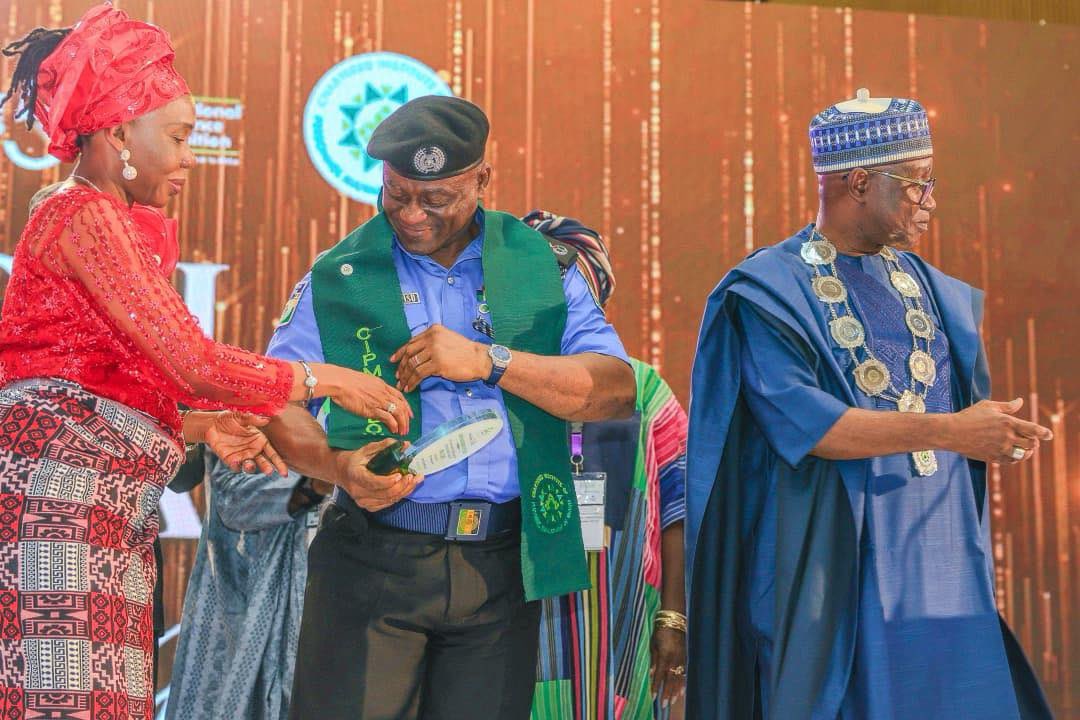
news IGP Disu Bags Prestigious CIPM Fellowship for Reform Leadership and Welfare Excellence
 news
news Atiku Pledges Targeted Fuel Subsidy, Hails Warm Ondo ADC Reception
 news
news Shipping Lines Hail US Lift of 12-Year Security Restriction on Nigerian Ports
 business
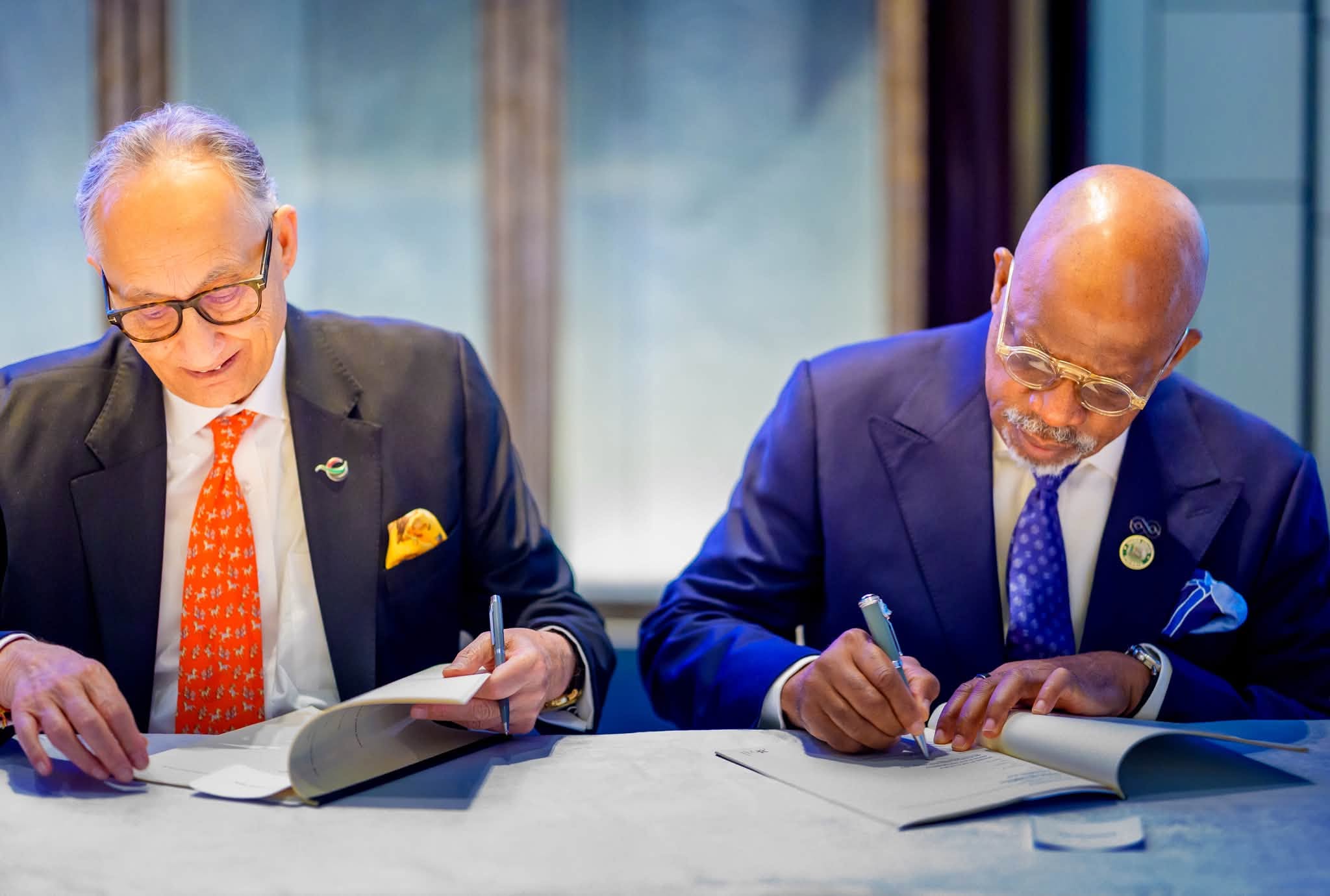
 Tinubu in Paris Backs $7bn Ogun Deep Seaport Deal with DP World for Jobs and Trade
How do you feel about this news?
Community Additions
Have a news tip, correction, or extra context about this story? Post it below instantly. All submissions appear live on this screen immediately.