Netanyahu Halts Lebanon Ops as Iran Threatens Hormuz Closure
In a dramatic weekend twist testing the freshly inked US-Iran memorandum of understanding, Israeli Prime Minister Benjamin Netanyahu ordered the IDF to halt operations in southern Lebanon, even as Iran’s military command declared the Strait of Hormuz closed to shipping — a move swiftly rejected by US Central Command.
The developments, reported Saturday, June 20, 2026, underscore the razor-thin margins of the landmark Islamabad MOU signed just days earlier.
That 14-point framework, mediated with Pakistani involvement, aimed to end active hostilities, reopen the critical oil chokepoint, ease certain sanctions, and create a 60-day window for deeper nuclear and sanctions talks.
The Halt Order and Immediate Context
According to Israeli Channel 12, cited in real-time reporting by Mario Nawfal and others, Netanyahu directed forces to pause operations in Lebanon.
The move comes amid ongoing tensions and follows repeated Israeli strikes that have tested the fragile ceasefire with Hezbollah.
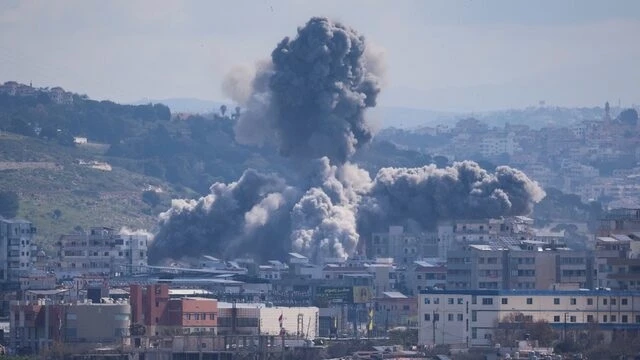
Images from the region continue to show the human and physical toll, with plumes of smoke rising over Lebanese towns from earlier exchanges.
This pause raises immediate questions: Will it be sufficient to prompt Iran to reverse its Hormuz closure announcement? Analysts and observers on the ground suggest the answer hinges on verification of sustained de-escalation rather than temporary rhetoric.
Hormuz Flashpoint: Conflicting Claims
Iran’s Islamic Revolutionary Guard Corps (IRGC) and military leadership asserted the strait was closed, citing security risks and alleged violations of the MOU. In response, CENTCOM flatly rejected the claim, highlighting that 55 merchant vessels carrying 17 million barrels of oil had already transited the waterway under US naval protection.
A CENTCOM graphic emphasized: “Commercial Vessels Flow Through Open Strait of Hormuz,” underscoring American commitment to keeping the artery — which handles roughly one-fifth of global oil — open and secure.
This dueling narrative mirrors broader frictions: Iran views Israeli actions in Lebanon as breaches of the agreement’s call for terminating operations on all fronts, while Israel maintains its right to self-defense against perceived Hezbollah threats.
Broader MOU Stakes and Human Impact
The Islamabad Memorandum commits parties to halting military operations, respecting Lebanese sovereignty, reopening Hormuz toll-free for an initial 60 days, and lifting aspects of the US naval blockade. It also paves the way for asset releases, potential reconstruction funds, and technical talks on Iran’s nuclear program.
Yet implementation remains precarious. Recent days have seen Israeli strikes killing dozens in Lebanon despite ceasefire announcements, displacing families, and drawing sharp rebukes. Hezbollah has responded with rockets and drones, perpetuating a cycle of retaliation.
For civilians on both sides of the border, the human cost is immediate: lives lost, homes damaged, and fragile returns to normalcy disrupted once again. Economically, any prolonged uncertainty around Hormuz ripples through global energy markets, threatening higher oil prices and supply chain instability.
Diplomatic Tightrope and What Lies Ahead
US officials, including references to Vice President JD Vance’s planned travel, continue to emphasize implementation and verification.
The White House and mediators face the challenge of bridging gaps between Israel’s security imperatives, Iran’s red lines on proxies like Hezbollah, and the need for verifiable calm.
Veteran regional watchers note that such agreements often function less as final resolutions and more as frameworks for managed tension. Success depends on quiet backchannel diplomacy, sustained US leverage, and willingness from all parties — including non-signatories like Israel and Hezbollah — to prioritize de-escalation over maximalist goals.
As of Saturday afternoon, the situation remains fluid. Netanyahu’s halt order offers a potential off-ramp, but trust is scarce after months of conflict. Markets, diplomats, and millions in the region will watch closely whether this latest pause holds or becomes another chapter in a long cycle of escalation and fragile truces.
Further updates will hinge on on-the-ground compliance, Iranian responses, and US mediation efforts in the critical days ahead. For now, cautious optimism battles entrenched skepticism in one of the world’s most volatile theaters.
 news
news FG Slashes Late Tax Interest Rates from October 1, Ties Them to Market Benchmarks
 news
news IGP Disu Bags Prestigious CIPM Fellowship for Reform Leadership and Welfare Excellence
 news
news Atiku Pledges Targeted Fuel Subsidy, Hails Warm Ondo ADC Reception
 news
news Shipping Lines Hail US Lift of 12-Year Security Restriction on Nigerian Ports
 business
 Tinubu in Paris Backs $7bn Ogun Deep Seaport Deal with DP World for Jobs and Trade
How do you feel about this news?
Community Additions
Have a news tip, correction, or extra context about this story? Post it below instantly. All submissions appear live on this screen immediately.