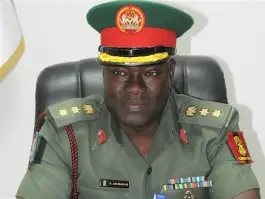
Retired Generals Demand Urgent Security Overhaul After General Rabes's Tragic Death in Bandit Captivity
Lagos, Nigeria – June 19, 2026 – In a stark indictment of Nigeria’s persistent battle against insecurity, a coalition of retired military officers and associates of the late Major General Rabe Abubakar (rtd.) has issued a passionate call for a more proactive, realistic, and comprehensive strategy to combat banditry and related threats.
Their appeal comes in the wake of the retired general’s death in kidnappers’ hands in Katsina State, an incident that has sent shockwaves through the nation’s security community and beyond.
Major General Rabe Abubakar, a distinguished former Director of Defence Information and Nigerian Army spokesman from 2015 to 2017, was abducted alongside his wife, Hajiya Amina Abubakar, on May 30, 2026, while traveling to a wedding in the Matazu area of Katsina State.
Gunmen ambushed their vehicle, injuring the driver in the process. Abubakar reportedly died in captivity around June 13 from complications linked to diabetes and hypertension, according to statements from the Katsina State Government and military authorities. His body was recovered and buried shortly thereafter.
His wife was later rescued by Nigerian troops during an intensified operation, though details of the rescue and the circumstances surrounding the general’s body recovery have fueled public questions and skepticism, including from family members.
President Bola Tinubu and senior military leaders expressed condolences, with Tinubu vowing no mercy for terrorists.
The image circulating widely shows the late general in full military regalia, a poignant reminder of a life dedicated to service.
In a statement following the tragedy, retired officers emphasized that previous measures against insecurity have “either failed or delivered limited results.”
They urged stronger institutions, better inter-agency collaboration, enhanced intelligence gathering, improved border control to stem illegal weapons, and a ruthless, proactive approach—including cutting off sponsors of banditry.
This incident is not isolated. Nigeria’s northwest, particularly states like Katsina, has long been plagued by banditry—armed groups involved in kidnapping for ransom, cattle rustling, and village attacks.
Retired officers, who once led efforts against these threats, now find themselves vulnerable, highlighting a troubling pattern where even high-profile figures are not spared.
Public reactions on platforms like X reflect a mix of grief, outrage, and frustration. Many Nigerians question why proactive measures were not taken earlier, noting that the outcry intensified only after one of their own was affected.
Others point to broader systemic issues: alleged political complicity, porous borders, inadequate funding for security, and a reliance on reactive press statements rather than decisive action.
Some replies to the original post lamented, “Even a retired Major General… couldn’t escape these bandits,” while others demanded a “real war” on the perpetrators.
The tragedy also intersects with ongoing national conversations around governance and security.
With off-cycle elections in Ekiti State approaching and persistent challenges in other regions, the death underscores how insecurity undermines development, displaces communities, and erodes trust in institutions.
Critics argue the government’s narrative on the cause of death—health complications without a widely reported autopsy—has raised suspicions, with some family members and observers seeking greater transparency.
Proponents of the official account stress the complexities of rescue operations in bandit strongholds, where negotiations and military action carry high risks.
From a veteran journalist’s perspective, this case reveals layered failures: intelligence lapses that allowed the abduction, operational delays in rescue, and a security architecture strained by decades of insurgency, banditry, and communal conflicts.
It also humanizes the crisis—behind statistics are families shattered, like Abubakar’s, and a military fraternity mourning a colleague who served with distinction.
Yet, there are glimmers of resolve. The swift rescue of the widow and the retired officers’ unified call signal potential for renewed momentum.
Experts suggest sustainable solutions must combine kinetic operations with socioeconomic interventions—addressing poverty, youth unemployment, and governance deficits that fuel recruitment into criminal networks—alongside technology, community policing, and regional cooperation.
As Nigeria confronts this latest tragedy, the message from Abubakar’s comrades is clear: platitudes and piecemeal efforts are insufficient.
The nation needs bold, coordinated reforms that prioritize citizen safety over political expediency. Failure to act decisively risks normalizing vulnerability, where no one—civilian or general—is truly secure.
The legacy of Major General Rabe Abubakar, a voice for the military in turbulent times, may yet galvanize the change he and countless victims of insecurity deserve.
Nigerians, from the grassroots to the corridors of power, must demand and support a more effective response before more lives are lost to this unrelenting scourge.
 news
news FG Slashes Late Tax Interest Rates from October 1, Ties Them to Market Benchmarks
 news
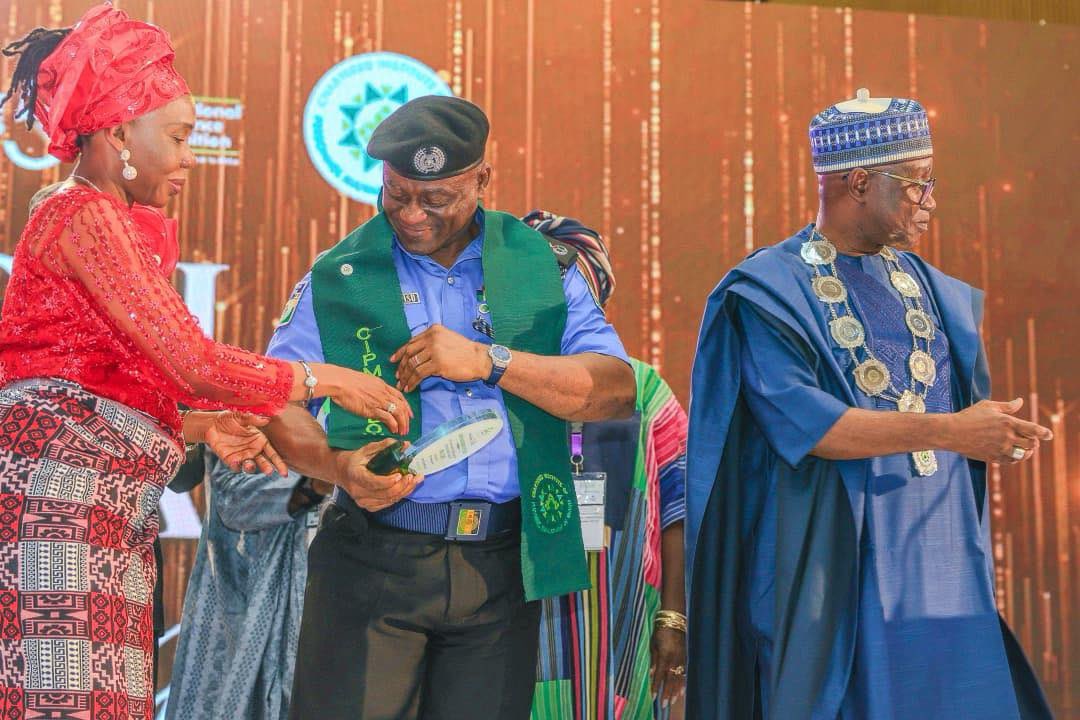
news IGP Disu Bags Prestigious CIPM Fellowship for Reform Leadership and Welfare Excellence
 news
news Atiku Pledges Targeted Fuel Subsidy, Hails Warm Ondo ADC Reception
 news
news Shipping Lines Hail US Lift of 12-Year Security Restriction on Nigerian Ports
 business
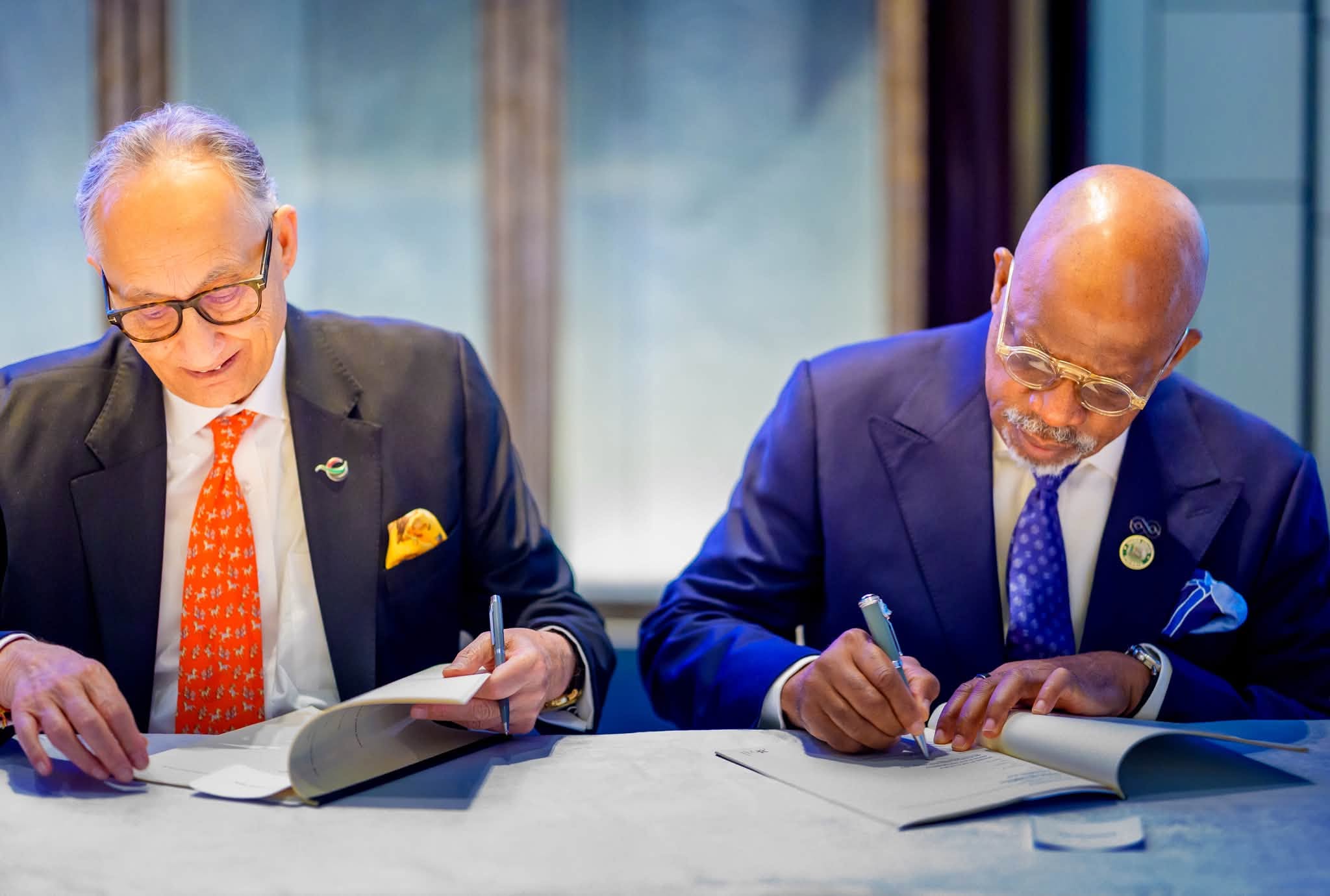
 Tinubu in Paris Backs $7bn Ogun Deep Seaport Deal with DP World for Jobs and Trade
How do you feel about this news?
Community Additions
Have a news tip, correction, or extra context about this story? Post it below instantly. All submissions appear live on this screen immediately.