Nigeria Gears Up Swiftly as Ebola Threat Looms Again
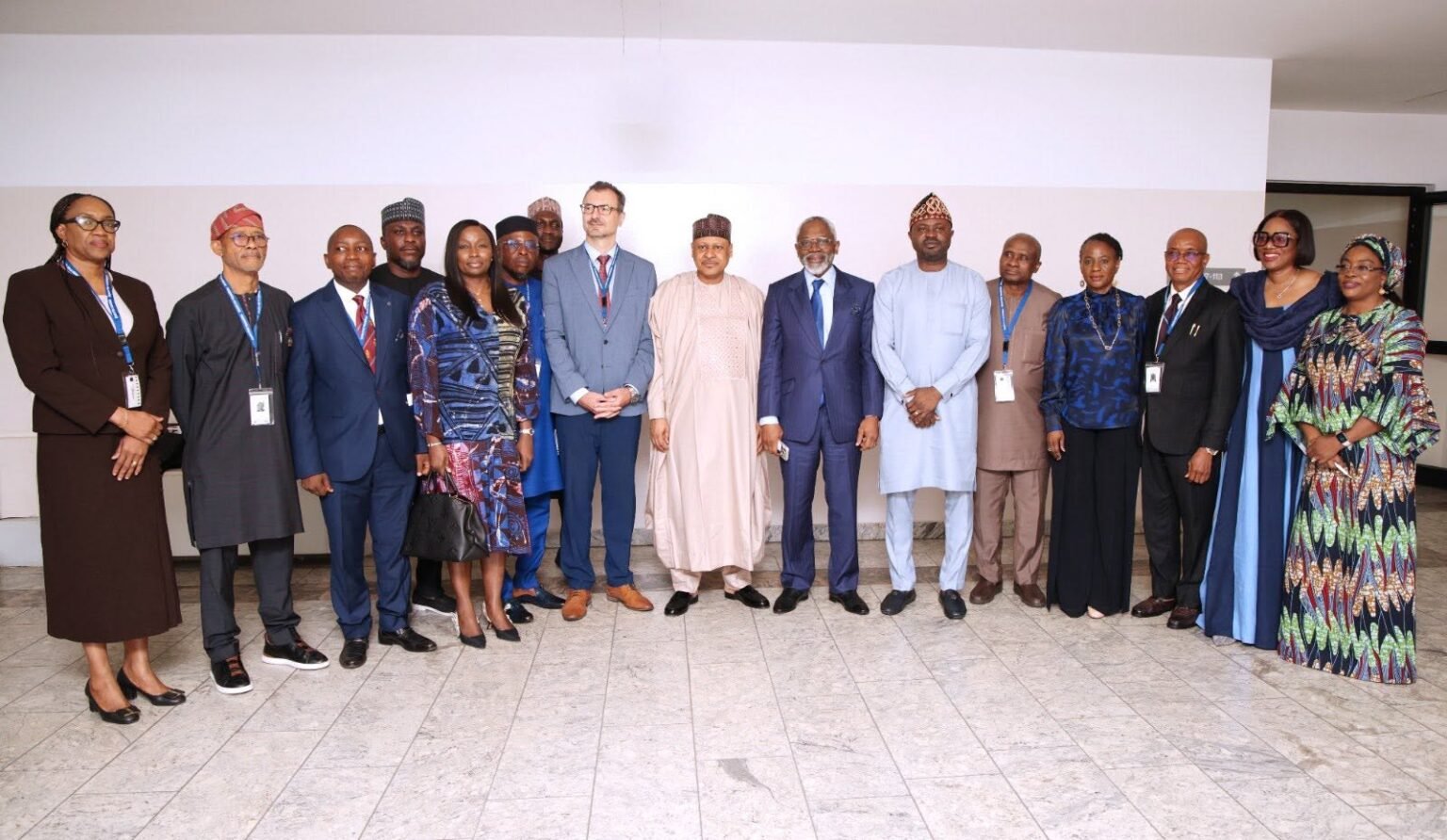
Abuja— In a decisive move underscoring proactive governance amid regional health concerns, the Nigerian federal government on Thursday inaugurated a high-level Presidential Task Force (PTF) on Ebola Virus Disease (EVD) preparedness.
The initiative aims to shield the country from the deadly pathogen and prevent the chaos that marked the 2014 outbreak.
Chief of Staff to the President Femi Gbajabiamila, who chaired the inauguration at the State House, delivered a clear message of vigilance: “Nigeria must not be caught off guard. Right now, there’s no case reported, and that’s good news. All hands have to be on deck to make sure the measures we are taking are preventive and not curative.”
The task force builds directly on painful memories of Nigeria’s 2014 Ebola experience, when a single imported case triggered nationwide panic, overwhelmed systems, and claimed lives before heroic containment efforts—led notably by the late Dr. Stella Adadevoh and her team—brought it under control.
Gbajabiamila referenced that episode explicitly: “We don’t want to be in the situation we were last time, where we had a carrier in the country and we’re all running helter-skelter.”
President Bola Tinubu had already set the wheels in motion on June 9, approving the PTF’s creation alongside the immediate release of ₦10 billion in emergency intervention funding.
This allocation targets strengthened surveillance, laboratory capacity, border controls, and rapid response mechanisms against Ebola and other emerging public health threats.
The task force, comprising federal cabinet members, key ministries, departments, and agencies (MDAs), state representatives, the World Health Organization (WHO), and private sector players, has already formed subcommittees focused on surveillance, border control, immigration, and emergency response.
Emphasis extends beyond major international airports in Lagos, Rivers, Enugu, and the FCT—where governors and representatives attended the meeting—to land borders.
Gbajabiamila highlighted the risks of informal cross-border migration: “We have a lot of cross-migration through the land borders, and the Border Control Development Agency (BCDA), immigration, and border communities are all involved.”
Director-General of the Nigeria Centre for Disease Control and Prevention (NCDC), Dr. Jide Idris, reinforced the no-cases-but-no-complacency stance.
“We don’t have any Ebola case here now, but we need to be prepared… The bottom line is that the objective is that we do not allow Ebola to come in. If it does come in, we are prepared to rapidly identify and manage the case nationally.”
Surveillance and response systems at points of entry have been enhanced, with states mobilized for early detection, rapid response, and coordinated public health efforts. A clear command-and-control structure underpins the framework.
This development arrives against a backdrop of renewed Ebola activity in parts of Africa, prompting heightened alerts from regional bodies.
Nigeria’s swift response reflects improved institutional memory and capacity since 2014, when the country earned global praise for containment despite limited initial resources.
Experts and observers note that success will hinge on seamless federal-state collaboration, sustained funding, community engagement, and public awareness to counter misinformation—factors that proved critical in past outbreaks.
The ₦10 billion injection signals serious commitment, but effective utilization, transparency in deployment, and measurable outcomes will determine its impact.
For ordinary Nigerians, particularly in border communities and urban centers, the measures promise reassurance: robust screening, contact tracing readiness, and hospital preparedness.
Yet they also serve as a reminder of the interconnectedness of global health security—one undetected case can still test national resilience.
As Gbajabiamila and Idris emphasized, the goal remains zero cases through prevention. In a country of over 200 million with porous borders and dense populations, this task force represents not just bureaucratic machinery but a human-centered bet on vigilance over reaction—a veteran approach to safeguarding lives in an era of persistent zoonotic threats.
 news
news FG Slashes Late Tax Interest Rates from October 1, Ties Them to Market Benchmarks
 news
news IGP Disu Bags Prestigious CIPM Fellowship for Reform Leadership and Welfare Excellence
 news
news Atiku Pledges Targeted Fuel Subsidy, Hails Warm Ondo ADC Reception
 news
news Shipping Lines Hail US Lift of 12-Year Security Restriction on Nigerian Ports
 business
 Tinubu in Paris Backs $7bn Ogun Deep Seaport Deal with DP World for Jobs and Trade
How do you feel about this news?
Community Additions
Have a news tip, correction, or extra context about this story? Post it below instantly. All submissions appear live on this screen immediately.