US Lifts Naval Blockade on Iran, Signaling Fragile Ceasefire in Bitter Middle East War
WASHINGTON — In a pivotal shift that could reshape energy markets and regional power dynamics, U.S. forces on Thursday formally lifted their naval blockade on all maritime traffic entering and exiting Iranian ports and coastal areas, in line with an interim peace agreement signed by President Donald Trump and Iranian President Masoud Pezeshkian.
U.S. Central Command (CENTCOM) announced the move directly: “Today, U.S. forces lifted the blockade… American forces are not impeding the transit of vessels to or from Iranian ports. All U.S. military blockade enforcement efforts have ceased”.
Naval ships will remain in the area to monitor compliance with the deal’s terms.
Context of a Costly Conflict
The blockade, imposed earlier in 2026 amid escalating U.S.-Israeli military operations against Iran, had severely restricted Iran’s oil exports and access to the critical Strait of Hormuz—a chokepoint carrying about 20-25% of global seaborne oil and LNG trade.
It formed part of a broader campaign responding to Iranian threats, proxy attacks, and alleged aggression that drew the U.S. and allies into direct confrontation.
Months of strikes, disruptions, and high-stakes diplomacy culminated in a memorandum of understanding (MoU) mediated in part by Pakistan.
Key elements include an immediate ceasefire, reopening of the Strait, sanctions relief and waivers for Iranian oil, commitments from Iran against nuclear weapons development under IAEA oversight, and a 60-day window for broader negotiations on a final deal.
The U.S. has also referenced reconstruction support and asset-related measures.
Oil tankers have already begun moving freely, with reports of millions of barrels of Iranian crude flowing and U.S. gas prices easing below $4 per gallon in response. Stocks reacted positively to the prospect of stabilized energy supplies.
Human and Strategic Toll
This war extracted a heavy human price — American and allied casualties, Iranian civilian and military losses, and ripple effects across the region, including impacts on proxies like Hezbollah.
Families on all sides have mourned lost lives amid the fog of conflict. For U.S. service members who enforced the blockade under hazardous conditions, today’s announcement marks the end of one intense chapter, though vigilance remains.
As a veteran journalist who has covered decades of Middle East turmoil—from the Iran-Iraq War echoes to post-9/11 interventions—I see both relief and profound caution here.
Blockades and military pressure can force negotiations, but they also inflame grievances, empower hardliners, and risk unintended escalations.
Iran’s Supreme Leader Ayatollah Ali Khamenei (or Mojtaba, per some reports) endorsed the deal with noted reservations, framing it through a lens of necessity while signaling ongoing distrust.
Mixed Reactions and Lingering Risks
Reactions reflect deep divisions:
Supporters hail it as pragmatic de-escalation that avoids prolonged attrition, restores commerce, and buys time for diplomacy.
Critics, including some Israeli officials and U.S. hawks, decry it as premature or concessionary, pointing to unaddressed proxy threats, Iran’s missile capabilities, and potential rearmament. Hezbollah activity has been cited as a possible breach.
Iranian voices range from regime appreciation for sanctions relief to opposition calls for deeper regime change.
Regional players watch warily: Gulf states eye oil market stability, while others fear emboldened Iranian influence.
The 60-day clock for final talks in venues like Switzerland adds urgency. Success hinges on verifiable Iranian compliance, U.S. enforcement credibility, and addressing core issues like nuclear ambitions, ballistic missiles, and proxy networks. Failure could see the blockade or worse reimposed swiftly.
Broader Implications
Economically, freer Iranian oil could temper global prices but challenge U.S. allies’ market share. Geopolitically, it tests Trump’s deal-making approach against adversaries, potentially reshaping U.S. posture in the CENTCOM area of responsibility.
For ordinary Iranians and global shipping, it promises respite from economic strangulation — yet underlying tensions persist.
History teaches that ceasefires are fragile bridges, not destinations. As warships linger on the horizon and diplomats convene, the world will watch whether this interim accord leads to durable peace or merely a pause before the next storm.
The human stakes — lives preserved or lost, economies rebuilt or strained — demand nothing less than clear-eyed, rigorous follow-through from all parties.
This story continues to develop, with potential ripple effects on global security, energy, and diplomacy for years to come.
 news
news FG Slashes Late Tax Interest Rates from October 1, Ties Them to Market Benchmarks
 news
news IGP Disu Bags Prestigious CIPM Fellowship for Reform Leadership and Welfare Excellence
 news
news Atiku Pledges Targeted Fuel Subsidy, Hails Warm Ondo ADC Reception
 news
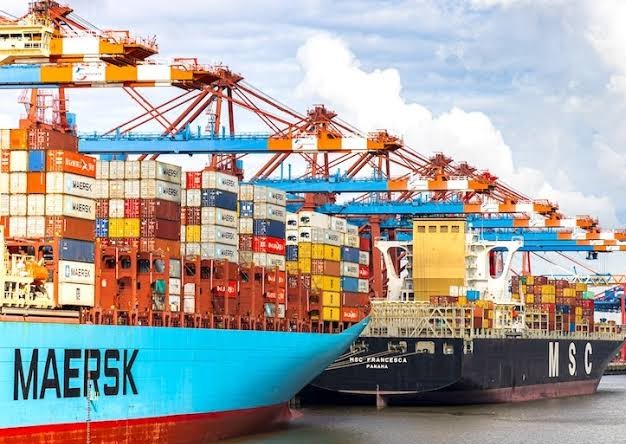
news Shipping Lines Hail US Lift of 12-Year Security Restriction on Nigerian Ports
 business
 Tinubu in Paris Backs $7bn Ogun Deep Seaport Deal with DP World for Jobs and Trade
How do you feel about this news?
Community Additions
Have a news tip, correction, or extra context about this story? Post it below instantly. All submissions appear live on this screen immediately.