Iran's Supreme Leader Reluctantly Backs US Deal, Vowing to Protect 'Resistance' Interests Amid Fragile Thaw
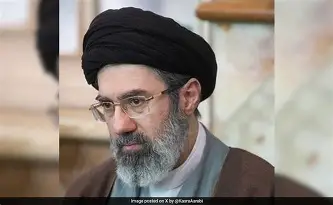
Tehran, June 19, 2026 — In a carefully worded statement that underscores the deep ideological fault lines within Iran’s leadership, Supreme Leader Ayatollah Mojtaba Khamenei has publicly confirmed his approval of a landmark memorandum of understanding (MoU) with the United States, despite holding “a different view” on the agreement.
The development comes days after the electronic signing of the MoU by US President Donald Trump and Iranian President Masoud Pezeshkian, part of a broader effort to formalize a ceasefire and end the recent US-Israeli military campaign against Iran that erupted in late February.
Khamenei’s message, disseminated through state media, frames the decision as a pragmatic concession rather than an ideological shift, highlighting ongoing tensions even as diplomatic channels reopen.
According to Khamenei’s written statement, President Pezeshkian—serving in his role as head of the Supreme National Security Council—provided explicit guarantees that the deal would safeguard “the rights of the Iranian nation and the interests of the Resistance Front.”
Pezeshkian and senior officials reportedly accepted full responsibility for upholding these red lines.
“I, as a matter of principle, held a different view; however, out of the commitment that the esteemed president… gave to me… I granted my permission,” Khamenei stated.
He emphasized that Iran would not yield to “excessive demands” from Washington, signaling that the agreement is conditional and revocable if those assurances falter.
This marks Khamenei’s first major public response to the deal, which follows intense backchannel diplomacy, including mediation by Qatar and Pakistan.
The MoU reportedly includes provisions for lifting the US naval blockade on Iranian ports, reopening the Strait of Hormuz to oil flows (with recent surges reported), commitments on Iran’s nuclear program under IAEA oversight, and initial steps toward sanctions relief and asset discussions.
The agreement caps a volatile period triggered by US and Israeli strikes on Iranian nuclear and military sites starting February 28, which escalated into a broader regional confrontation involving proxies like Hezbollah.
A ceasefire paved the way for the MoU, signed electronically this week ahead of a formal ceremony in Geneva or Switzerland.
Pezeshkian has welcomed Qatar’s facilitation role and stressed that Iran “did not trade its dignity.” US Vice President JD Vance has defended the deal domestically, while pro-Israel voices in Washington express unease.
Iranian Parliament Speaker Mohammad Bagher Ghalibaf warned that Tehran “won’t tolerate US breaches.”
Analysts see Khamenei’s intervention as a classic balancing act: lending legitimacy to pragmatic engagement while reassuring hardliners and the “*Axis of Resistance” (*encompassing groups like Hezbollah) that core revolutionary principles remain intact.
Critics, however, view it as evidence of internal divisions, with the Supreme Leader distancing himself should the deal falter.
The thaw has immediate economic ripples. Oil flows through the Strait of Hormuz have surged, contributing to global price moderation—a point Trump has highlighted. Yet challenges persist: Israeli actions in Lebanon continue, Swiss talks face hurdles, and domestic hawks on both sides remain skeptical.
For Iran, the deal offers breathing room for reconstruction (with talk of a potential $300 billion fund) and sanctions relief after years of isolation.
For the US, it represents a diplomatic win under Trump, potentially reshaping Middle East dynamics without prolonged direct conflict.
Veteran observers note the human cost of the preceding war—casualties, displacement, and economic strain—lends urgency to implementation.
Yet history cautions against optimism: past US-Iran engagements have collapsed amid mutual distrust, proxy escalations, and domestic politics.
Khamenei’s statement humanizes the high-wire act of Iranian governance, where ideological purity often clashes with survival imperatives.
As Pezeshkian shoulders responsibility, the world watches whether this MoU becomes a foundation for lasting de-escalation or merely a pause in enduring rivalry.
Progress hinges on verifiable compliance, sustained dialogue, and restraint from all parties in a region long defined by its volatility.
 news
news FG Slashes Late Tax Interest Rates from October 1, Ties Them to Market Benchmarks
 news
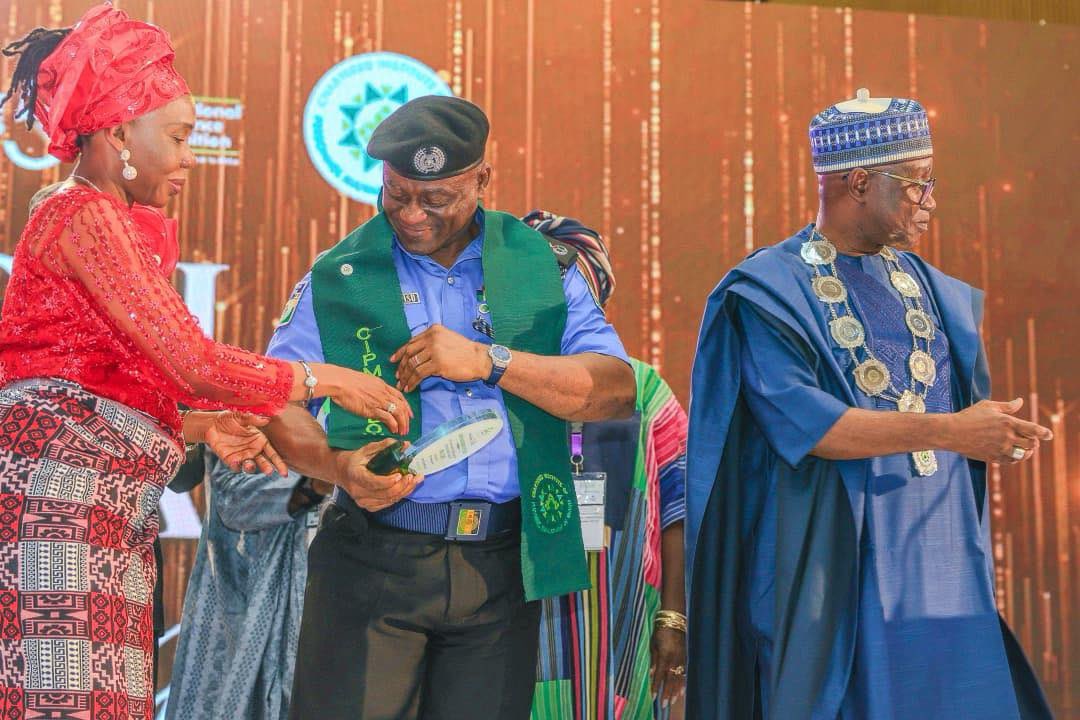
news IGP Disu Bags Prestigious CIPM Fellowship for Reform Leadership and Welfare Excellence
 news
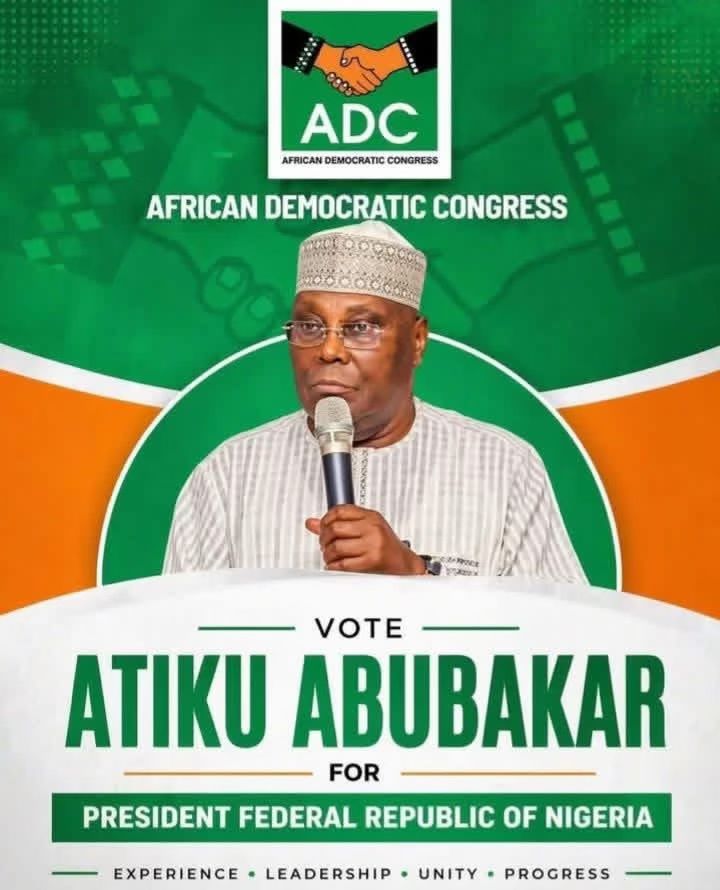
news Atiku Pledges Targeted Fuel Subsidy, Hails Warm Ondo ADC Reception
 news
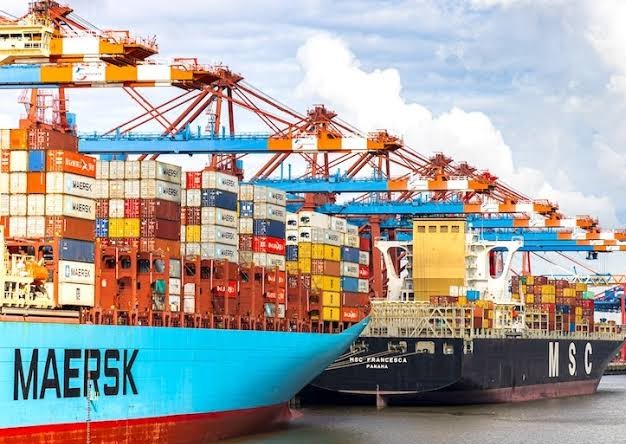
news Shipping Lines Hail US Lift of 12-Year Security Restriction on Nigerian Ports
 business
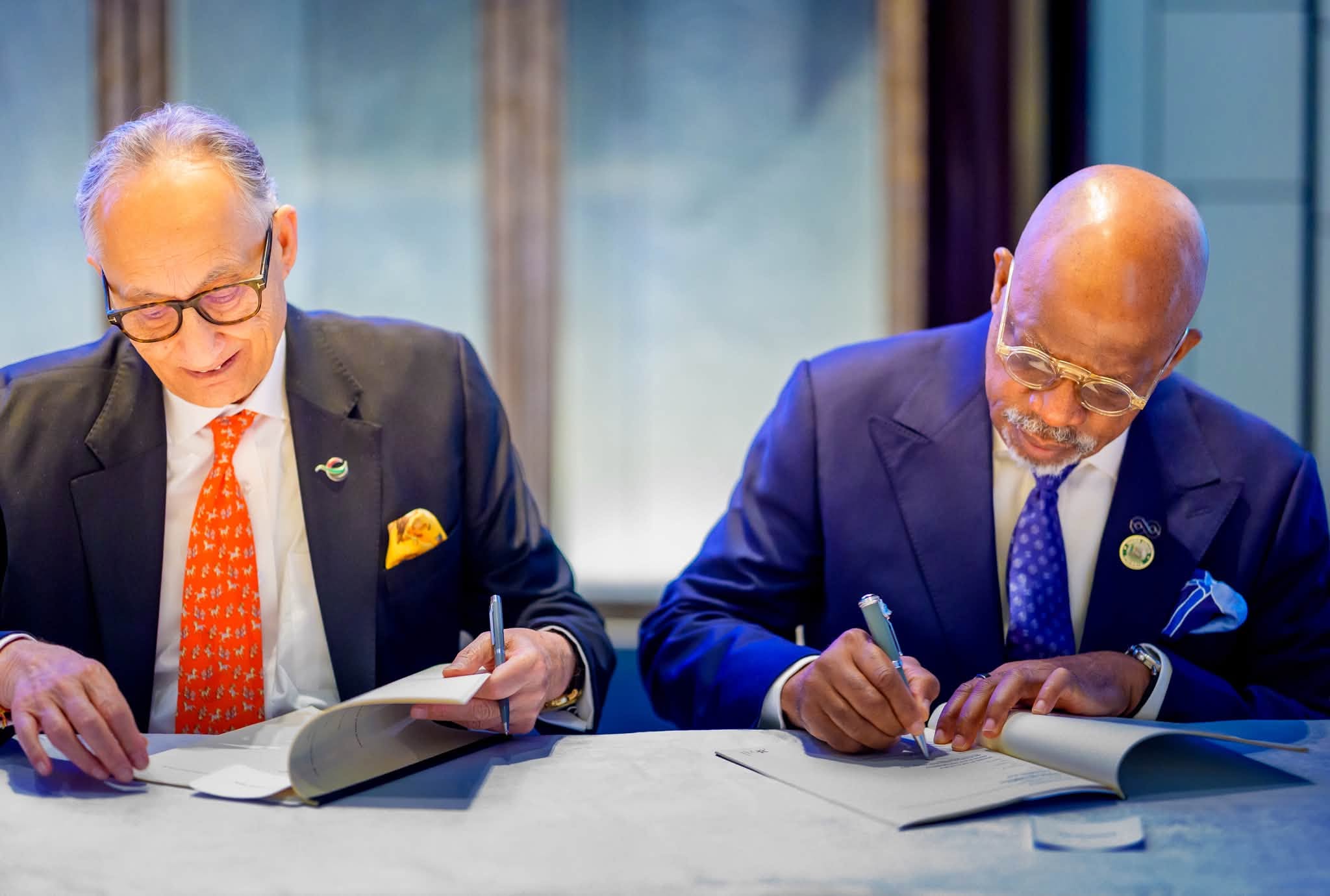
 Tinubu in Paris Backs $7bn Ogun Deep Seaport Deal with DP World for Jobs and Trade
How do you feel about this news?
Community Additions
Have a news tip, correction, or extra context about this story? Post it below instantly. All submissions appear live on this screen immediately.