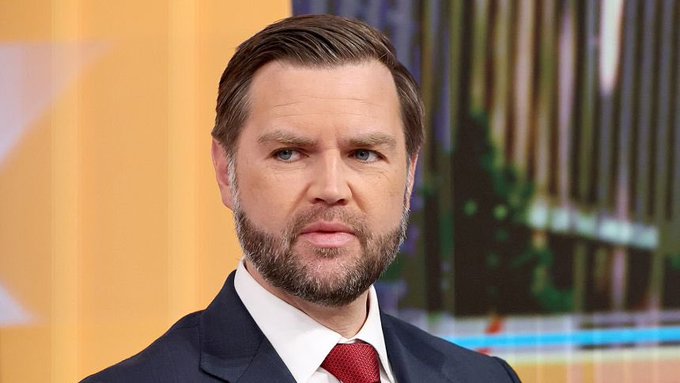
JD Vance Cancels Iran Talks Trip Amid Logistical Snags
WASHINGTON — In a notable hitch for the Trump administration’s high-stakes diplomatic push with Tehran, Vice President JD Vance has postponed his planned trip to Switzerland for technical negotiations with Iranian officials, citing unresolved logistics and uncertainty over the next phase of talks.
A White House spokesperson confirmed the decision late Thursday, stating that while the U.S. delegation remains prepared to depart once plans solidify, the complexities of coordinating with Iran have proven challenging.
“As the Vice President said at his press conference, the plans for the upcoming technical talks with Iran have not been finalized,” the statement read. “The logistics of these negotiations have never been simple or predictable.”
The cancellation comes just days after President Donald Trump signed a memorandum of understanding (MOU) aimed at formalizing a ceasefire, reopening the Strait of Hormuz to increased oil traffic, and launching broader negotiations on Iran’s nuclear program, sanctions relief, and regional stability.
Vance had been positioned as the lead U.S. negotiator, with expectations that he would travel as soon as this weekend for what was anticipated to be the first round of detailed follow-on discussions, possibly including a formal signing ceremony in Geneva or a related Swiss venue.
The MOU, signed electronically by Trump, Vance, and Iranian Parliament Speaker Mohammad-Bagher Ghalibaf (with mediation support from Pakistan and others), marks a tentative end to direct hostilities that escalated earlier in 2026.
Key elements include Iran agreeing to dilute its highly enriched uranium stockpile under IAEA oversight, U.S. waivers on certain sanctions to allow oil exports, and the lifting of a naval blockade that had restricted Iranian ports.
In recent days, more than a dozen vessels have reportedly transited, boosting oil flows through the critical Strait of Hormuz and contributing to lower global energy prices.
Vance has been the public face of the administration’s Iran policy in recent weeks, conducting high-profile briefings, media appearances, and defenses of the framework.
He has emphasized that the deal positions the U.S. advantageously (“We have all the cards”) while cautioning against overreach, including blunt warnings to Israeli critics about the risks of pushing Iran toward a “failed state” scenario akin to post-Gaddafi Libya.
Yet the agreement remains fragile, with significant details still unresolved: the precise timeline and scope of sanctions relief, verification mechanisms for nuclear commitments, the role of regional actors like Israel, and long-term economic reconstruction plans potentially involving hundreds of billions in assets and investments.
The postponement has drawn mixed reactions. Supporters view it as prudent caution in complex diplomacy, avoiding a premature high-level trip without assured Iranian participation or finalized agendas.
Critics, including some Republican voices and Israeli officials, see it as evidence of Iranian foot-dragging or internal U.S. divisions, potentially undermining momentum from the MOU.
One anonymous U.S. official noted that Iranian travel logistics from Tehran remain a persistent bottleneck. Separate reports mentioned complications possibly linked to regional tensions, including Israeli actions in Lebanon.
For Vance personally, the episode represents both a political gamble and an opportunity. As a key architect of the negotiations, his visibility underscores his rising influence, but any perceived stumbles could fuel scrutiny amid broader administration priorities.
This development occurs against a backdrop of cautious optimism in energy markets and heightened attention to Middle East stability.
Successful follow-through could reshape global oil dynamics, ease inflationary pressures, and open pathways for Iran’s reintegration into the world economy—contingent on verifiable compliance.
Failure risks renewed escalation, with profound implications for U.S. alliances, nuclear non-proliferation, and the volatile region.
The White House has pledged to provide updates as soon as concrete next steps emerge.
For now, the Vance trip stands delayed but not derailed, a reminder that even landmark deals in adversarial diplomacy often hinge on the gritty realities of scheduling, trust, and timing.
 news
news FG Slashes Late Tax Interest Rates from October 1, Ties Them to Market Benchmarks
 news
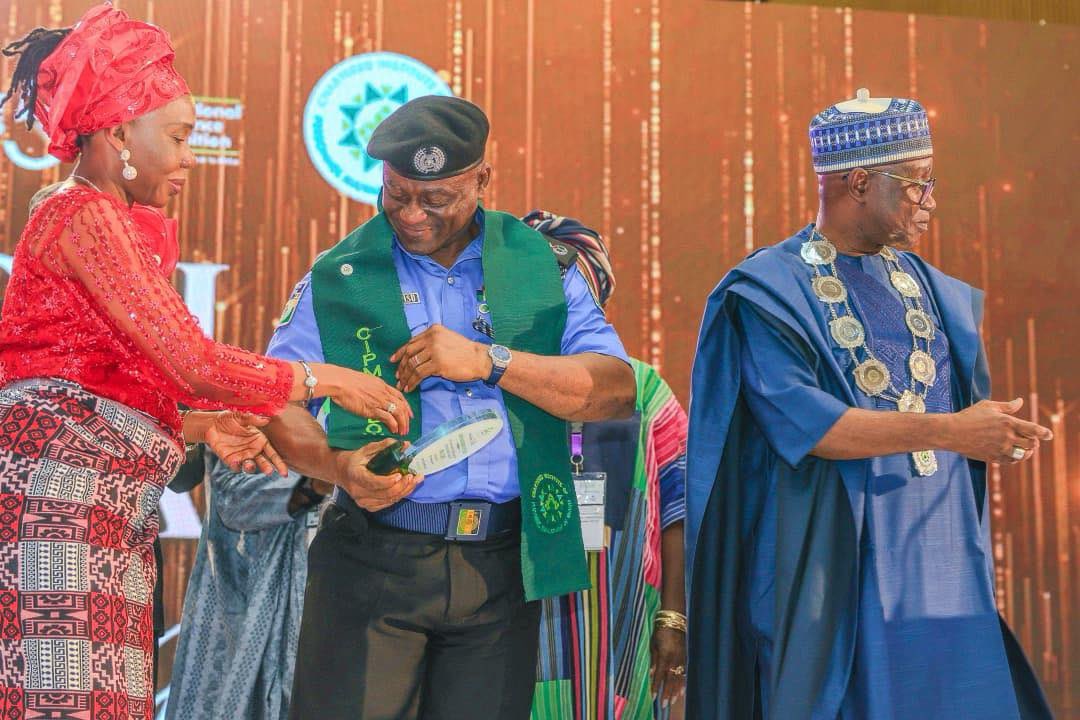
news IGP Disu Bags Prestigious CIPM Fellowship for Reform Leadership and Welfare Excellence
 news
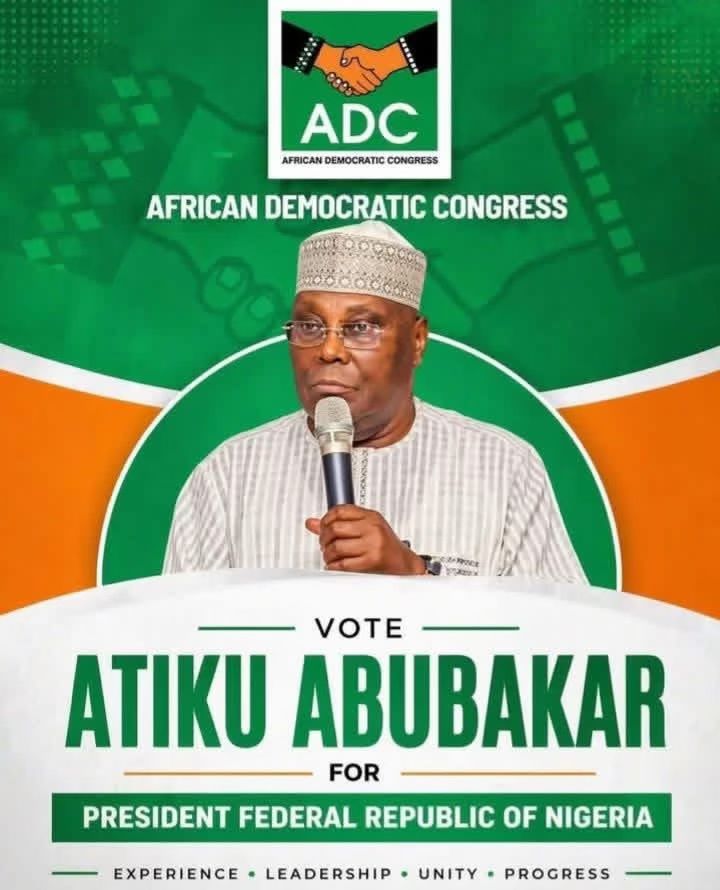
news Atiku Pledges Targeted Fuel Subsidy, Hails Warm Ondo ADC Reception
 news
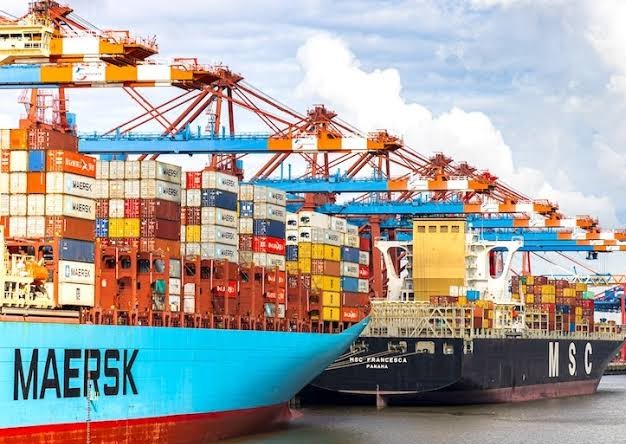
news Shipping Lines Hail US Lift of 12-Year Security Restriction on Nigerian Ports
 business
 Tinubu in Paris Backs $7bn Ogun Deep Seaport Deal with DP World for Jobs and Trade
How do you feel about this news?
Community Additions
Have a news tip, correction, or extra context about this story? Post it below instantly. All submissions appear live on this screen immediately.