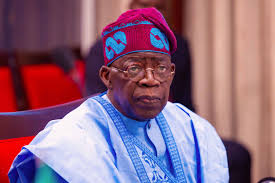
Tinubu Hails Fertilizer Push as Food Security Promise Kept
Abuja, Nigeria – In a detailed thread posted on X (formerly Twitter) on June 18, 2026, President Bola Ahmed Tinubu outlined his administration’s strides in bolstering Nigeria’s agricultural resilience amid global headwinds, framing the efforts as a fulfillment of the “Renewed Hope” agenda’s core pledge on food security.
Accompanied by official State House graphics and infographics highlighting key metrics, the presidential statement emphasizes proactive procurement, local industrial capacity, and targeted farmer support as buffers against international fertilizer market disruptions.
President Tinubu recalled the administration’s early commitment to supporting farmers, reducing import dependence, and building shock-resistant local production systems.
He pointed to the Presidential Fertiliser Initiative (PFI), restructured under the Ministry of Finance Incorporated (MOFI), as a pivotal tool.
Key claims include:
- Over 449,000 metric tonnes of fertilizer inputs (roughly 9 million 50kg bags) secured by May 2026, with 10 vessels discharged or in transit.
- On track to deliver 1.1 million metric tonnes (about 22 million bags) for the 2026 planting season.
- ₦61.58 billion (approximately $44 million) saved through strategic forward contracting and early procurement, shielding local blending plants and keeping costs more affordable for farmers.
- Nigeria now boasts over 90 operational fertilizer blending plants — the largest capacity in Sub-Saharan Africa — fostering jobs, industrial growth, and self-reliance.
Complementing this, the **Renewed Hope Farm Input Support Programme (RH-FISP)**, implemented via the National Agricultural Development Fund (NADF), is distributing 515,720 bags of locally produced fertilizer to 128,930 smallholder farmers across 25 states and the FCT. The initiative also includes digital extension services, harmonized application guidance, and focus on priority crops like rice, maize, cassava, and soybean.
The President concluded: “This is the meaning of promise made, promise kept,” vowing continued practical steps to protect farmers, raise productivity, and ease food price pressures.
These announcements arrive against a backdrop of Nigeria’s ongoing battle with food inflation and agricultural vulnerabilities.
Official narratives note a decline in food inflation to around 16.96% in May 2026 from higher peaks, crediting interventions for insulating the sector from global shocks like Middle East conflicts affecting input costs.
Independent reports and critics, however, paint a more complex picture. Persistent insecurity—including banditry, insurgency, and farmer-herder clashes, particularly in the North West, North East, and North Central regions—continues to displace farmers, disrupt planting, and lead to abandoned farmlands.
Many communities report attacks forcing payments for “protection” or outright abandonment of fields, undermining input distribution efforts.
Additional hurdles include high input costs for some farmers, post-harvest losses, climate variability, and questions about the reach and transparency of subsidy programs.
Skeptics on social media and in opposition circles argue that while procurement figures are impressive, ground-level impact remains uneven, with hunger and elevated staple prices still acutely felt by ordinary Nigerians.
Agriculture remains central to Nigeria’s economy, employing a vast majority of the population and holding potential for diversification beyond oil.
The Tinubu administration’s focus on local blending capacity and last-mile delivery aligns with longer-term goals of self-sufficiency and resilience — goals shared across previous governments but often hampered by execution gaps.
Veteran observers note that success will hinge not just on securing inputs but on addressing intertwined issues: rural security, market access, storage infrastructure, and climate adaptation.
As the 2026 planting season progresses, the true test will be measurable increases in yields, stabilized prices, and tangible relief for smallholder farmers who form the backbone of national food production.
President Tinubu’s latest intervention underscores a policy continuity in prioritizing agriculture, yet it also invites scrutiny on whether these top-down efforts can outpace the multifaceted crises constraining Nigeria’s farms.
For millions of Nigerians, the ultimate verdict on “promise kept” will be felt at the dinner table and in the marketplace in the months ahead.
 news
news FG Slashes Late Tax Interest Rates from October 1, Ties Them to Market Benchmarks
 news
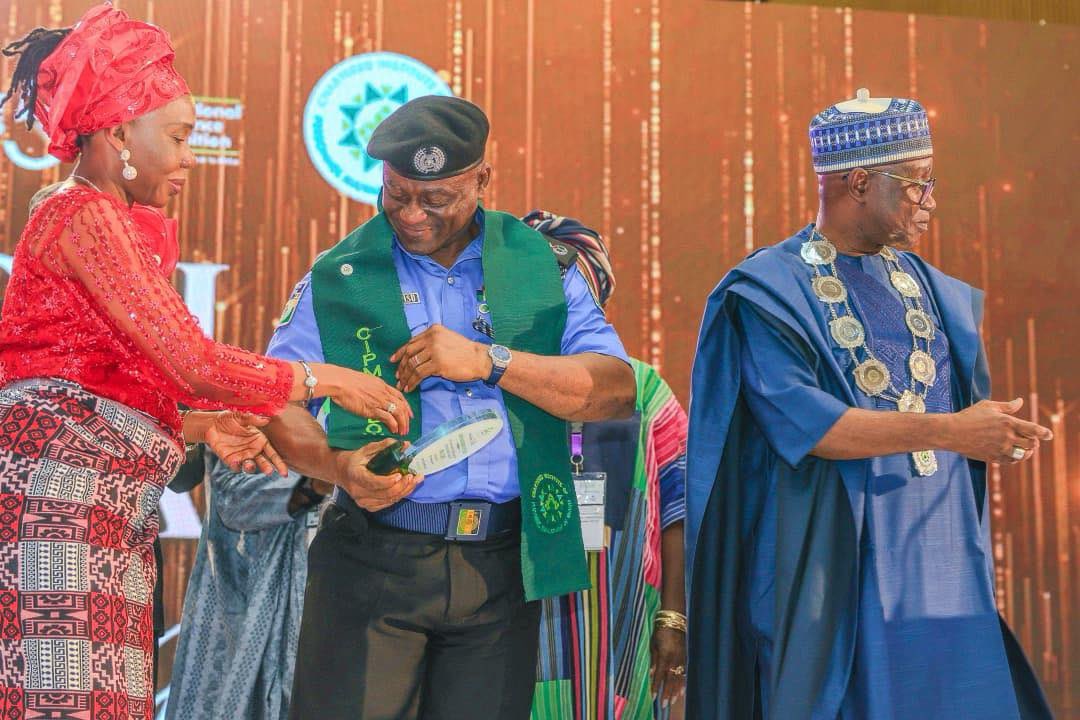
news IGP Disu Bags Prestigious CIPM Fellowship for Reform Leadership and Welfare Excellence
 news
news Atiku Pledges Targeted Fuel Subsidy, Hails Warm Ondo ADC Reception
 news
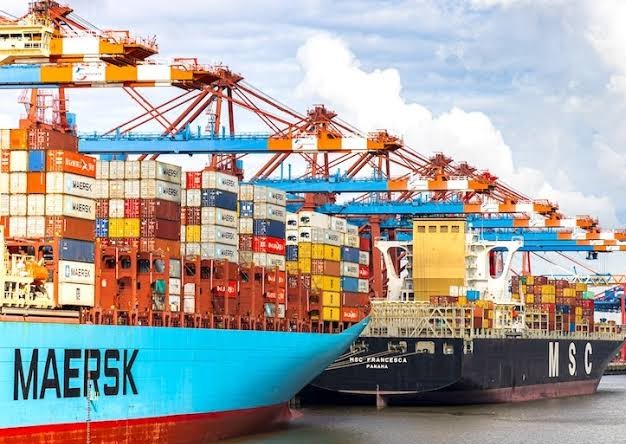
news Shipping Lines Hail US Lift of 12-Year Security Restriction on Nigerian Ports
 business
 Tinubu in Paris Backs $7bn Ogun Deep Seaport Deal with DP World for Jobs and Trade
How do you feel about this news?
Community Additions
Have a news tip, correction, or extra context about this story? Post it below instantly. All submissions appear live on this screen immediately.