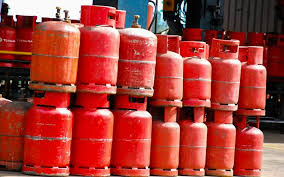
N2,400 per kg: Cooking Gas Prices Explode, Forcing Nigerian Families Back to Firewood
Lagos/Ibadan/Ilorin — Nigerian households are sounding the alarm as the price of Liquefied Petroleum Gas (LPG), the primary cooking fuel for millions, has surged to a staggering N2,400 per kilogramme in some retail outlets, intensifying the nation’s ongoing cost-of-living crisis.
In cities from Lagos to Ibadan and Ilorin, families already strained by soaring food prices, electricity tariffs, and transportation costs are now facing yet another blow to their budgets. What was once a relatively affordable modern convenience is rapidly becoming a privilege, forcing many to reconsider basic daily routines.
Local observations reveal a stark disparity in pricing. While some filling stations still offer cooking gas between N1,650 and N1,900 per kg, neighbourhood retailers and informal vendors are charging significantly more — with reports hitting the N2,400 mark depending on location and supply chain pressures.
Deborah Akintola, a housewife in Ibadan, captured the widespread frustration: “Last week, I bought gas at Iyana Church Gasland at N1,600 per kilogram.
Now I hear it is N1,900 and even over N2,000 in some shops. In May, it was N1,000. This increase is just too much. Everything, including foodstuffs, is expensive.”
In Lagos, similar stories abound. Some paid N1,650 per kg this month in Iju-Ishaga, up from N1,100 in May. Citizens also noted the impact on meal preparation:
“It has got to a point where you buy gas and cannot use it to cook beans.”
Many low-income families are making tough choices. In Ilorin, Kwara State, some residents have abandoned gas entirely for charcoal, describing it as the more affordable option amid dealer uncertainty and suspended sales.
Despite notable progress in domestic LPG production — with local refineries and gas processing plants supplying the bulk of the market between April 2025 and April 2026 — prices have stubbornly refused to drop for end consumers.
The Nigerian Association of Liquefied Petroleum Gas Marketers (NALPGAM) has raised urgent concerns.
In a statement, National President Edu Inyang and Executive Secretary Bassey Essien highlighted that marketers now pay between N25.2 million and N26.2 million for 20 metric tonnes.
They described cooking gas as a “social commodity” now sold at prohibitive costs exceeding N1,500 per kg in many places.
Retailers point to high transportation and operational expenses. One Ibadan reseller explained buying at N1,700 per kg from a depot, only to incur N600 in okada (motorcycle) transport costs, pushing her selling price to N2,400.
This situation persists even as the government has previously promoted LPG adoption to reduce deforestation and indoor air pollution from traditional fuels.
Social media and street conversations reflect deep discontent. Many Nigerians express exhaustion with the cumulative effect of economic pressures under the current administration.
Comments range from sarcastic jabs at political slogans to direct appeals for subsidies and urgent intervention.
Families worry about broader survival: with minimum wage discussions around N70,000–N100,000, essentials like transport, electricity, food, and now cooking fuel threaten to leave nothing for other needs.
Small businesses, street food vendors, and large households are particularly vulnerable, with some predicting potential public unrest if the trend continues unchecked.
The shift back to firewood and charcoal carries significant long-term risks. Increased deforestation, higher carbon emissions, and greater exposure to harmful smoke — linked to respiratory diseases — could undermine years of public health and environmental gains from clean cooking initiatives.
Economically, the ripple effects extend to reduced productivity, strained household savings, and pressure on small-scale enterprises.
Experts warn that without decisive measures — such as targeted subsidies, improved supply chain efficiencies, or incentives for local production and distribution — the cost-of-living crisis could deepen, affecting social stability.
As Nigerians adapt to these challenging realities, stakeholders including the government, regulators, and marketers face mounting pressure to stabilize prices and ensure affordable access to essential energy.
For millions of households, the question remains: How much more can families endure before the system breaks?
TownScribe Media will continue monitoring developments in this unfolding story. Readers are encouraged to share their experiences and local price updates in the comments.
 politics
 Adebayo Challenges Tinubu: Where Is Subsidy Money? Come Out and Account for It
 politics
 NDC Wins Logo Battle as Abuja Court Orders INEC to Use Modified Design
 news
news Atiku Exposes Tinubu’s FAAC Scam: Bigger Naira, Poorer Nigerians
 news
news Police Arrest Hafsat Abubakar Over Fake Fintech Shutdown Document Circulated Online
 politics
 Sowore Declares Peter Obi Yelwata Blockade Government-Sponsored Political Attack
How do you feel about this news?
Community Additions
Have a news tip, correction, or extra context about this story? Post it below instantly. All submissions appear live on this screen immediately.