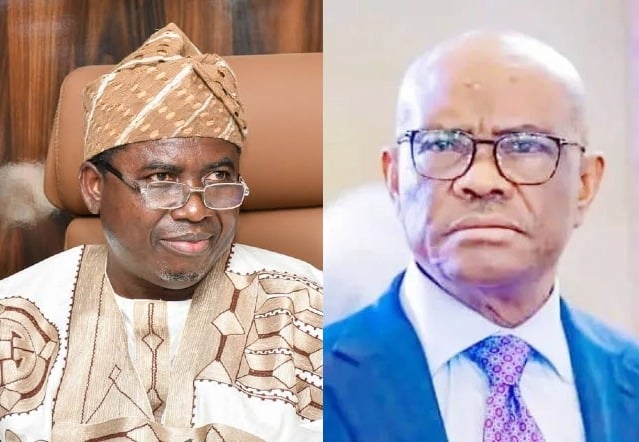
Wike, INEC’s Amupitan and APC Chairman Allegedly Meet Tech Experts Abroad Over 2027 Poll
A social media allegation has sparked fresh controversy ahead of the 2027 presidential election after a commentator claimed that Federal Capital Territory Minister Nyesom Wike, Independent National Electoral Commission (INEC) Chairman Professor Joash Amupitan, and the national chairman of the All Progressives Congress (APC) travelled abroad to meet technology experts over a supposed plan to manipulate the poll using a “dummy server.”
The claim was made by Nnaemeka Edeh in a post on X. He alleged that the three officials went overseas specifically to discuss the introduction of a parallel or “dummy” server that would allow election results to appear normal to the public while a different outcome was prepared behind the scenes.
The allegation surfaces at a time when questions have already been raised about Amupitan’s recent absence from INEC headquarters in Abuja.
The commission explained that the chairman was outside the capital on an official assignment and had the authority to delegate duties.
Subsequent reports placed him in Canada, where he met Google’s Global Lead for Civic Responsibility, David J. Lopez, on the sidelines of a conference on responsible artificial intelligence and elections.
He was also said to have held discussions with officials from Microsoft and the International Foundation for Electoral Systems.
INEC National Commissioner Rhoda Gumus had earlier stood in as acting chairman during an engagement with an African Union pre-election assessment mission, a development that prompted the Obidient Movement and other groups to demand clearer explanations for Amupitan’s absence.
No official statement has confirmed that Wike or the APC national chairman joined Amupitan on any joint trip linked to election technology.
The Parallel Facts report and the original social media post remain unverified claims circulating online. Neither the Presidency, INEC, nor the APC has issued a detailed response to the specific “dummy server” allegation at the time of writing.
Nigeria’s electoral history is littered with claims of technological manipulation, particularly after the 2023 general election, when result transmission challenges fueled widespread distrust.
Against that backdrop, any report of senior political and electoral figures meeting foreign tech experts inevitably triggers suspicion, even when the meetings are presented as routine professional engagements.
As the country moves closer to 2027, public confidence in the integrity of the electoral process remains fragile. Allegations of this nature, whether later proven or dismissed, underline the intense scrutiny that every movement by key actors now attracts.
The onus continues to rest on INEC and the political parties to provide transparent, timely information that leaves little room for speculation.
 news
news FG Slashes Late Tax Interest Rates from October 1, Ties Them to Market Benchmarks
 news
news IGP Disu Bags Prestigious CIPM Fellowship for Reform Leadership and Welfare Excellence
 news
news Atiku Pledges Targeted Fuel Subsidy, Hails Warm Ondo ADC Reception
 news
news Shipping Lines Hail US Lift of 12-Year Security Restriction on Nigerian Ports
 business
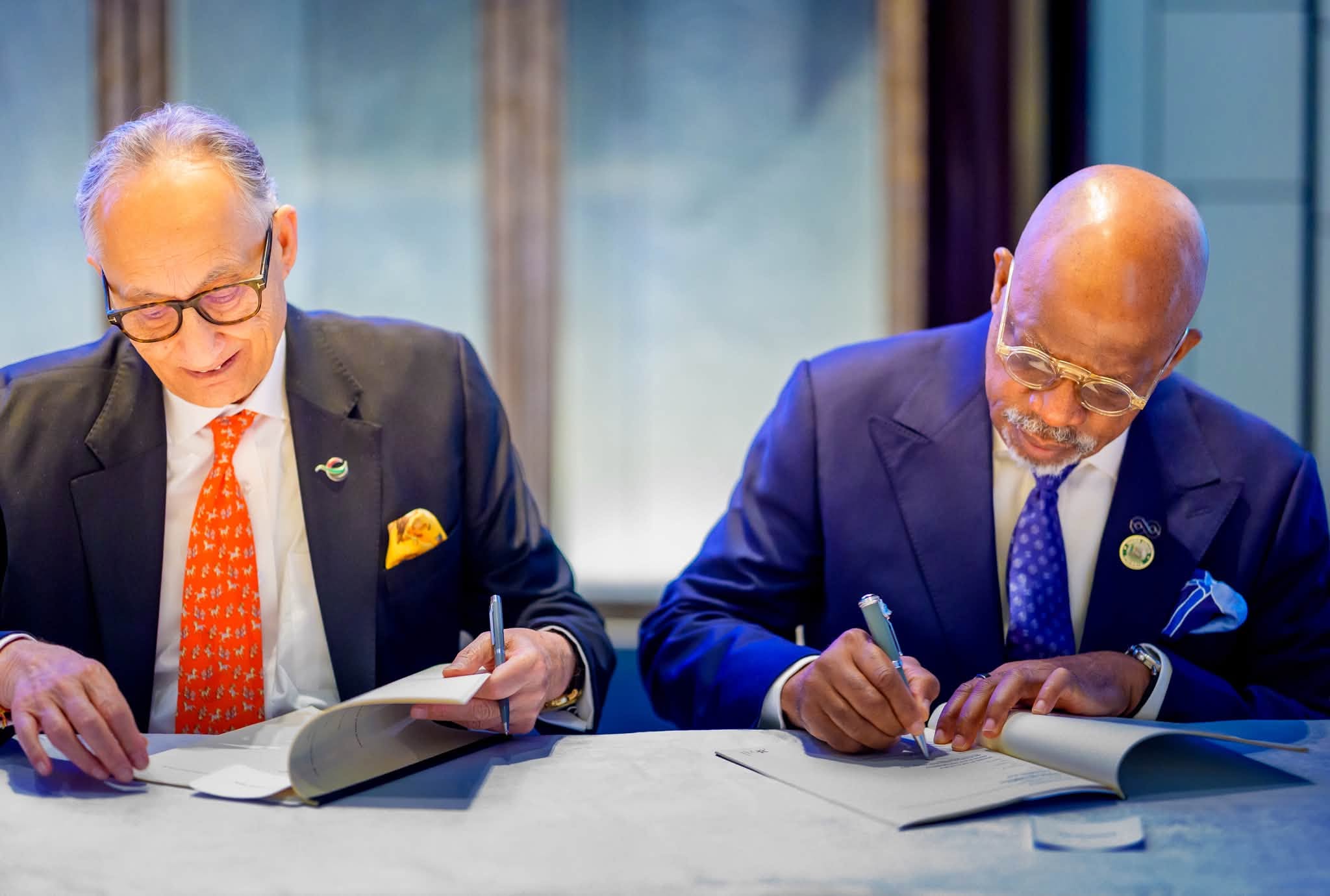
 Tinubu in Paris Backs $7bn Ogun Deep Seaport Deal with DP World for Jobs and Trade
How do you feel about this news?
Community Additions
Have a news tip, correction, or extra context about this story? Post it below instantly. All submissions appear live on this screen immediately.