
Makinde, APM Sue Otti Over ₦200m Abia Campaign Permit Fee
Oyo State Governor Seyi Makinde and the Allied Peoples Movement (APM) have dragged Abia State Governor Alex Otti and other state officials to court over a ₦200 million fee imposed on presidential candidates seeking to display campaign materials in the state.
The suit, marked HC/214/2026, was filed at the Abia State High Court in Umuahia. Other defendants include the Abia State Attorney-General, the Abia State Signage and Advertisement Agency (ABSAA), and the Abia State House of Assembly.
Makinde, the presidential candidate of the APM, and his party argue that the fee violates the 1999 Constitution and the Electoral Act 2026.
They contend that if every state adopted similar charges, presidential candidates would find it nearly impossible to stay within the campaign spending limits set by federal law.
The Abia State Structures for Signages and Advertising Agency (ABSSAA) earlier announced a schedule of political campaign advertising permit fees.
Presidential candidates were required to pay ₦200 million, governorship candidates ₦150 million, senatorial candidates ₦100 million, House of Representatives candidates ₦50 million, and State House of Assembly candidates ₦20 million.
Through their lawyer, Musibau Adetunbi, SAN, the plaintiffs raised six questions for the court’s determination and are seeking eight reliefs.
These include an order setting aside the regulations that introduced the ₦200 million fee and an injunction restraining the defendants from enforcing the charge or removing, defacing or obstructing their campaign billboards and outdoor advertisements in Abia State.
They further argue that the fee amounts to the use of a state regulatory body to the advantage of some candidates and the disadvantage of others, contrary to the principle of a level playing field.
Section 92 of the Electoral Act 2026 caps total spending for a presidential campaign at ₦10 billion nationwide.
The plaintiffs say a ₦200 million charge in just one state already represents a disproportionate burden.
The case has drawn attention as political parties prepare for the 2027 general elections. Supporters of the fee describe it as a legitimate regulation of outdoor advertising aimed at safety, order, and revenue.
Critics see it as an excessive barrier that could restrict the visibility of non-incumbent candidates.
The court is yet to hear the matter. Whatever the outcome, the suit has placed Abia’s campaign advertising policy under national scrutiny and raised broader questions about the balance between state regulatory powers and federal electoral rules.
 news
news FG Slashes Late Tax Interest Rates from October 1, Ties Them to Market Benchmarks
 news
news IGP Disu Bags Prestigious CIPM Fellowship for Reform Leadership and Welfare Excellence
 news
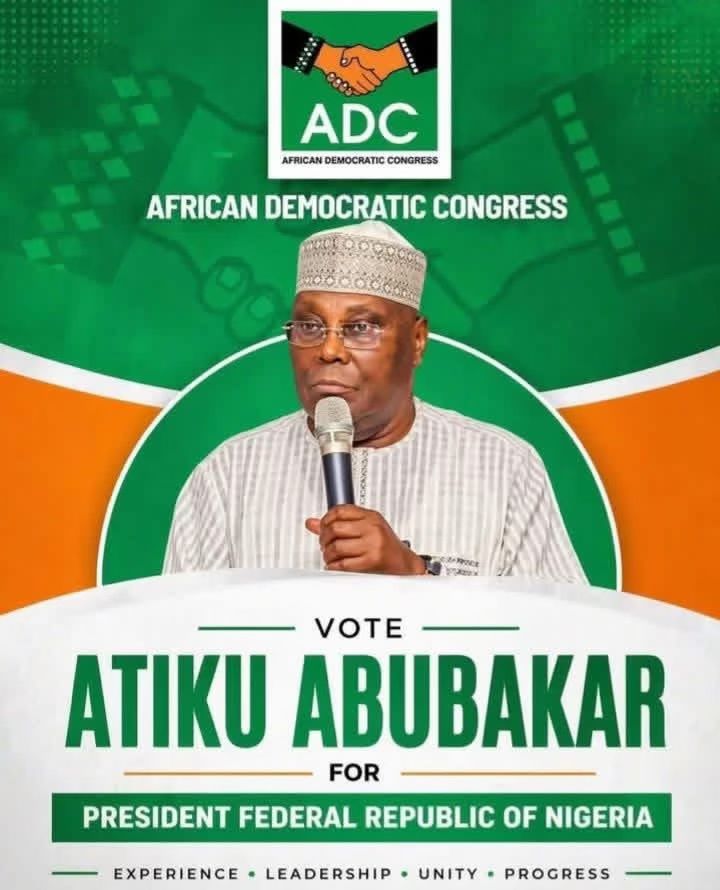
news Atiku Pledges Targeted Fuel Subsidy, Hails Warm Ondo ADC Reception
 news
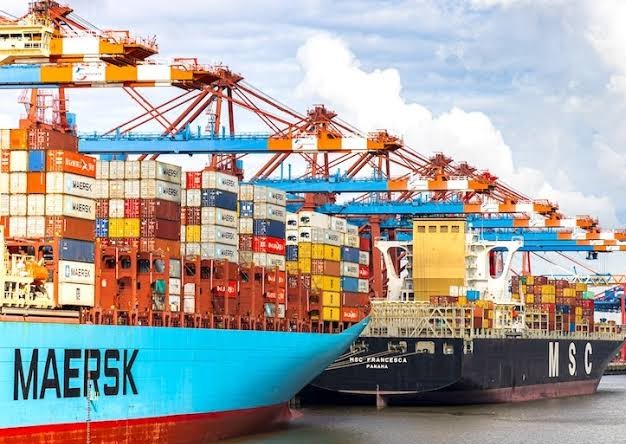
news Shipping Lines Hail US Lift of 12-Year Security Restriction on Nigerian Ports
 business
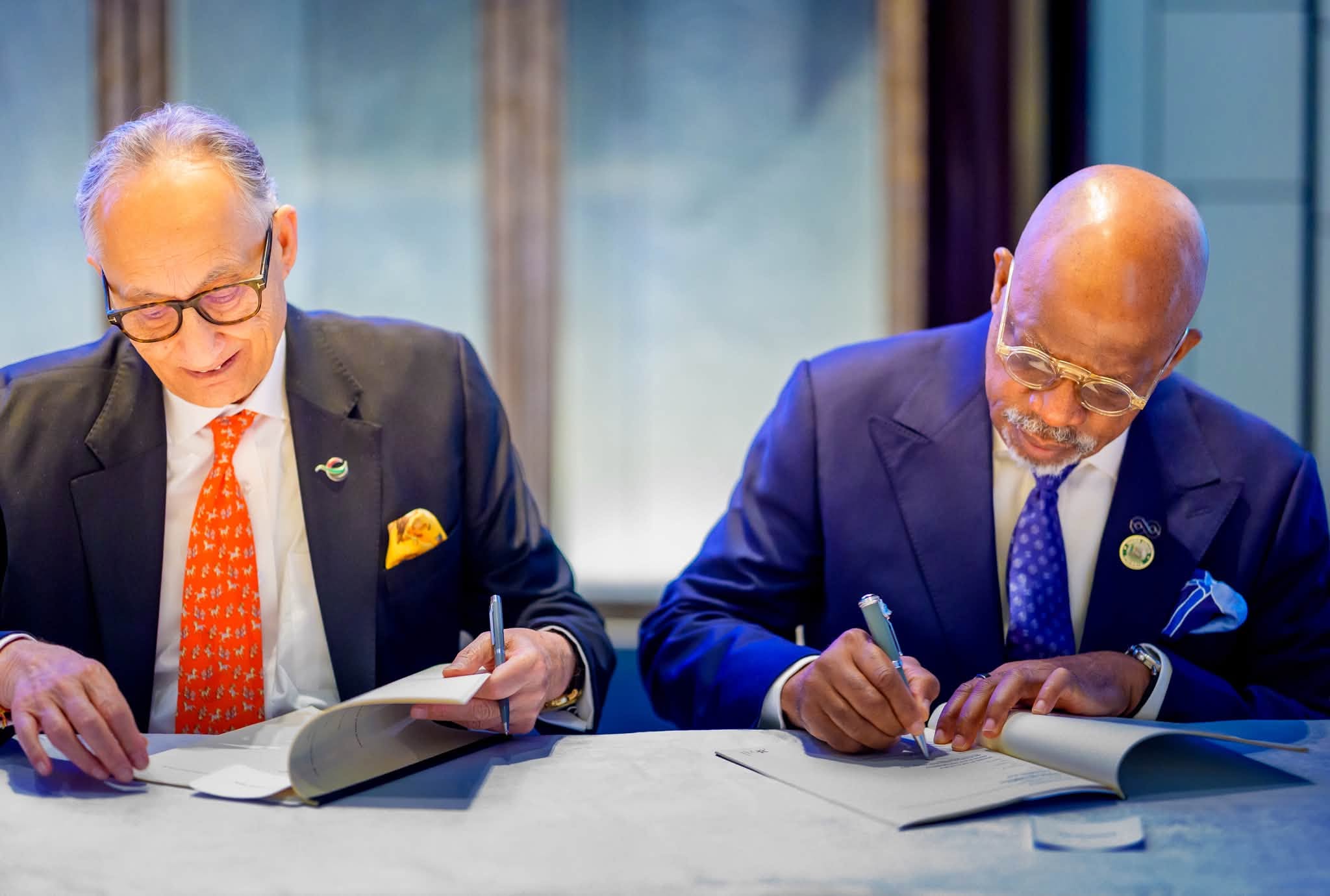
 Tinubu in Paris Backs $7bn Ogun Deep Seaport Deal with DP World for Jobs and Trade
How do you feel about this news?
Community Additions
Have a news tip, correction, or extra context about this story? Post it below instantly. All submissions appear live on this screen immediately.