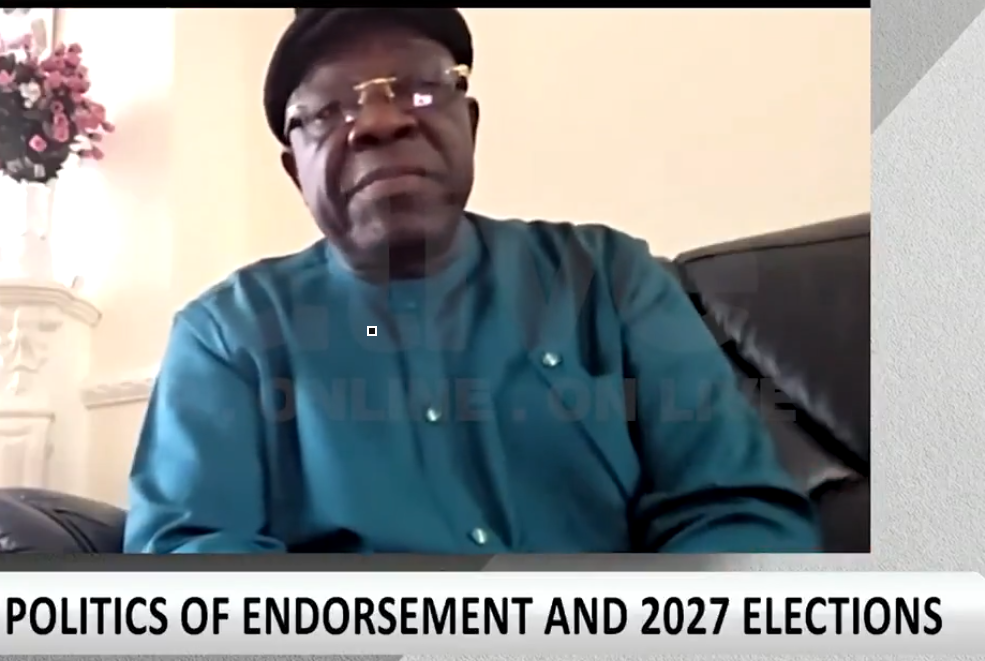
Alaba Yusuf: Governments That Deliver Don’t Need Campaigns or Endorsements
Lagos, Nigeria—September 14, 2026—Public relations expert and communications strategist Alaba Yusuf has delivered a pointed critique of Nigeria’s growing culture of political endorsements, insisting that a government that has genuinely performed well does not need orchestrated campaigns or public declarations of support to prove its worth.
Appearing on Africa Independent Television’s (AIT) Political Platform programme focused on “Politics of Endorsement and 2027 Elections,” Yusuf argued that performance, not propaganda, should define political legitimacy.
“If the government has done well, they don’t need campaigns and endorsements to make that known,” he stated, emphasizing that the results of good governance should be self-evident to citizens.
Endorsements Versus Actual Delivery
Yusuf, identified on the programme as a seasoned public relations expert and communications strategist, framed the surge in endorsements ahead of the 2027 general elections as a distraction from the real test of leadership.
He suggested that constant mobilization for public support often signals a gap between official claims and lived realities for ordinary Nigerians.
In the current political climate, various groups, governors, and party structures have issued endorsements for President Bola Tinubu’s re-election bid and other candidates.
Yusuf’s intervention pushes back against this trend, urging a shift in focus from political theatre to measurable outcomes in security, economy, infrastructure, and social welfare.
Context of the 2027 Race
With the 2027 elections drawing closer, Nigeria’s political space has seen intensified activity around endorsements, consensus candidacies, and early campaign messaging.
Yusuf’s comments arrive at a moment when performance records are increasingly being scrutinized against the backdrop of economic pressures and public expectations.
His remarks underscore a broader debate: whether political actors should prioritize governance delivery that naturally earns public trust, or rely on organized campaigns and high-profile endorsements to shape narratives.
As a communications professional, Yusuf highlighted the difference between genuine public confidence built on results and manufactured support driven by political machinery.
A Call for Substance Over Spectacle
Analysts note that Yusuf’s position reflects growing fatigue among some Nigerians with the cycle of early politicking.
\By arguing that strong performance requires no special publicity effort, he challenges both ruling and opposition figures to let their records speak louder than rallies or endorsement ceremonies.
The AIT segment, which featured Yusuf discussing the politics of endorsement, has drawn attention on social media for its directness.
While endorsements remain a standard feature of Nigerian politics, Yusuf’s stance invites reflection on what truly validates a government’s claim to success.
As the country moves closer to 2027, voices like his are likely to fuel ongoing conversations about the balance between political mobilization and accountable governance.
For many observers, the real endorsement that matters most is the one given by citizens at the ballot box — based on what they have experienced, not what they have been told.
 news
news FG Slashes Late Tax Interest Rates from October 1, Ties Them to Market Benchmarks
 news
news IGP Disu Bags Prestigious CIPM Fellowship for Reform Leadership and Welfare Excellence
 news
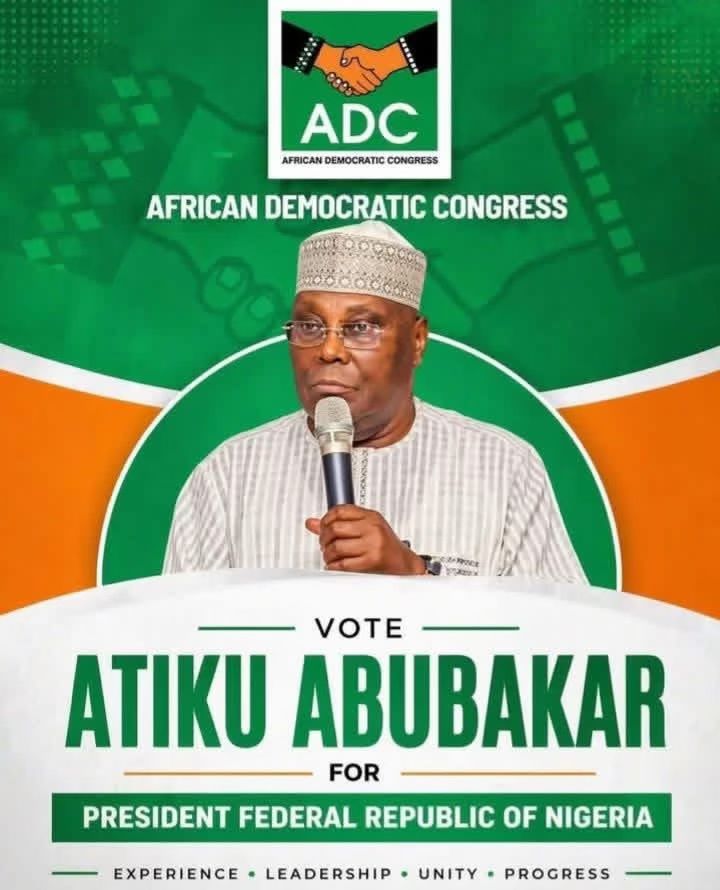
news Atiku Pledges Targeted Fuel Subsidy, Hails Warm Ondo ADC Reception
 news
news Shipping Lines Hail US Lift of 12-Year Security Restriction on Nigerian Ports
 business
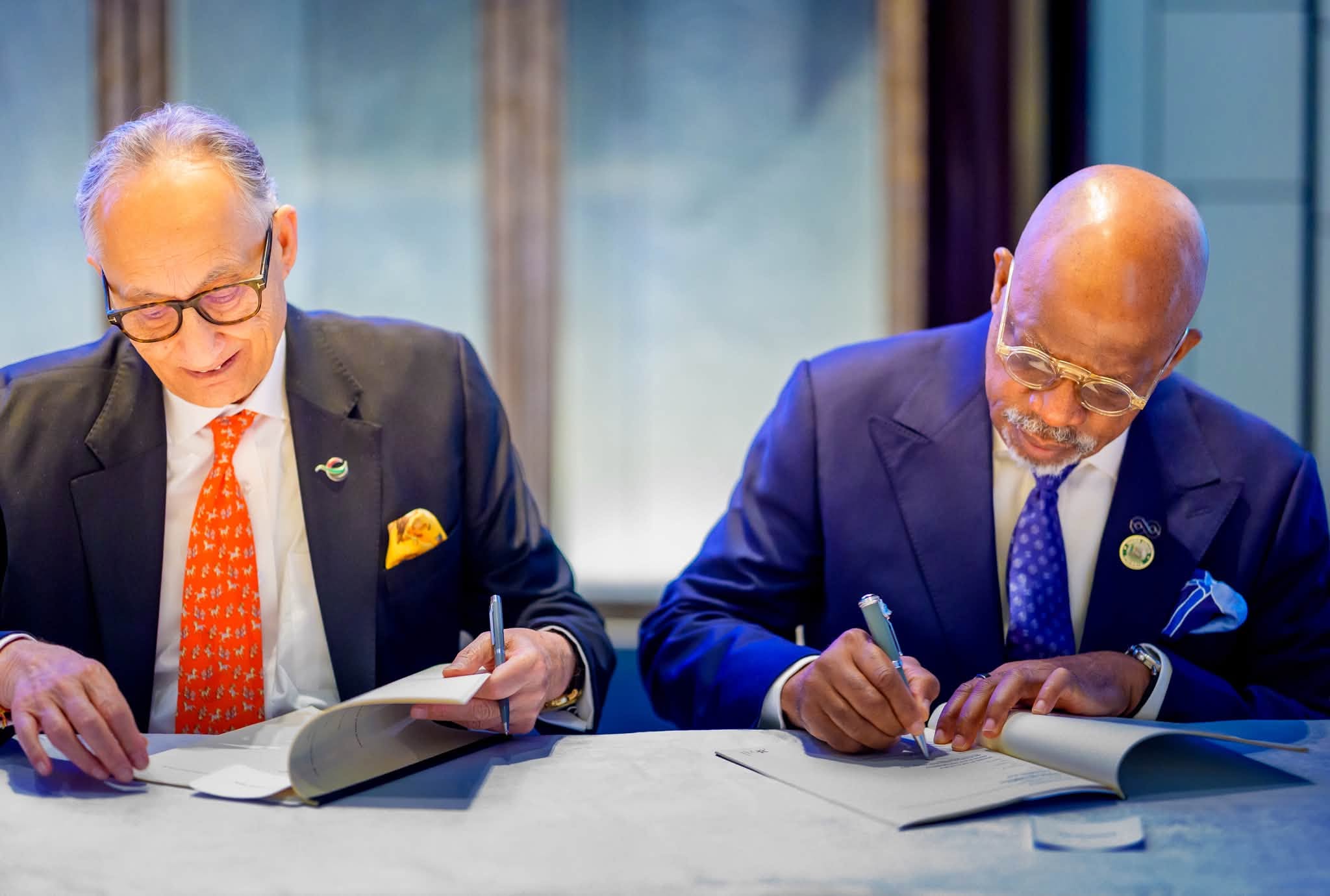
 Tinubu in Paris Backs $7bn Ogun Deep Seaport Deal with DP World for Jobs and Trade
How do you feel about this news?
Community Additions
Have a news tip, correction, or extra context about this story? Post it below instantly. All submissions appear live on this screen immediately.