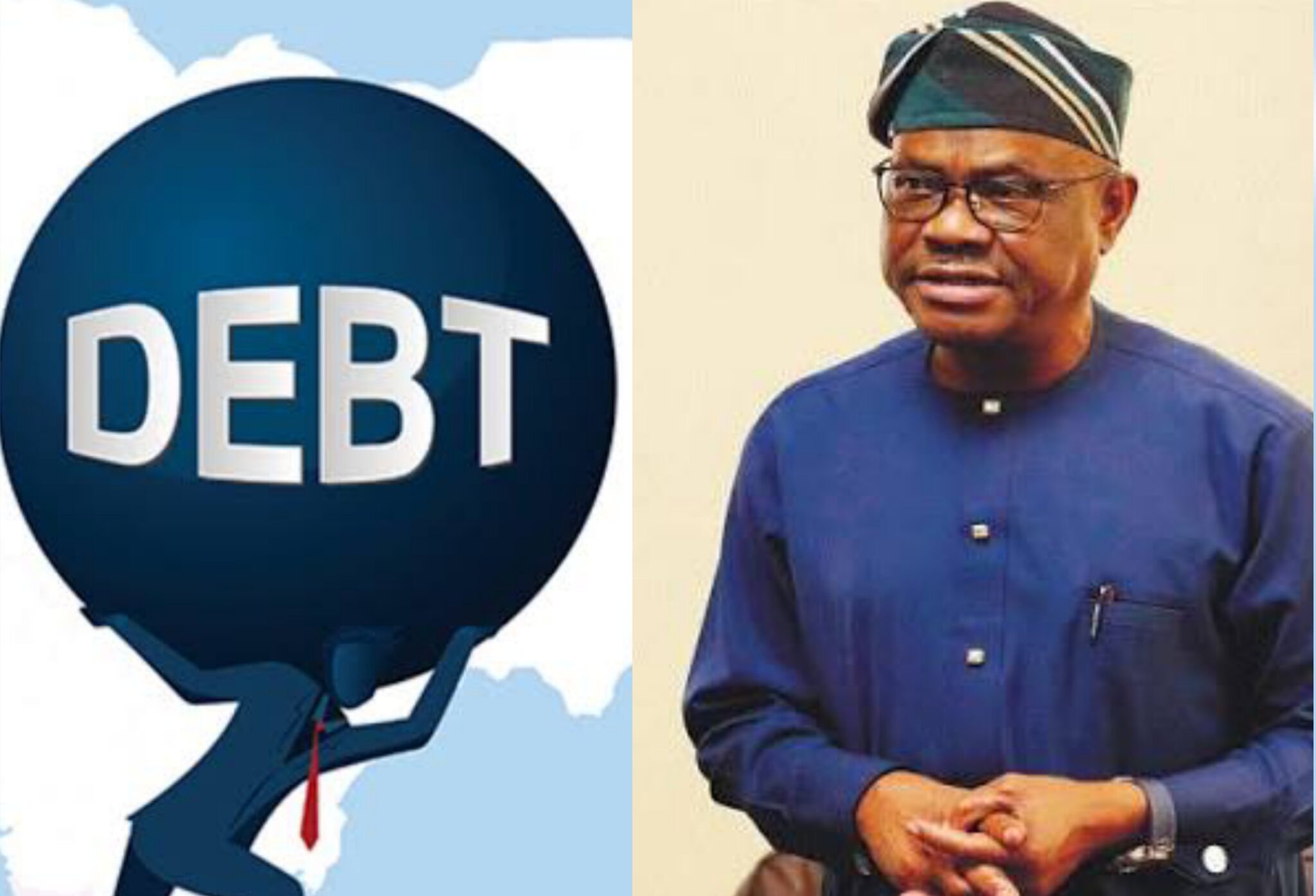
FCT Debt Explodes Nearly Fivefold to ₦389.88bn Under Wike Without Senate Nod
Abuja, August 29, 2026 — The Federal Capital Territory’s domestic debt has ballooned nearly fivefold under Minister Nyesom Wike, climbing from ₦84.77 billion in June 2023 to ₦389.88 billion by March 2026 — an increase of ₦305.11 billion or 360 percent — according to Debt Management Office (DMO) figures highlighted by data platform StatiSense and reported widely.
The sharp rise has thrust the FCT from one of Nigeria’s least indebted sub-national entities (ninth-lowest) into the second-highest position behind only Lagos, sparking fresh questions about transparency, oversight, and the scale of borrowing for the nation’s capital.
The Numbers Behind the Surge
DMO data shows the trajectory was not gradual. After hovering at relatively modest levels in 2024 and early 2025, the debt jumped from ₦78.93 billion in September 2025 to ₦188.86 billion by December 2025, then more than doubled again to ₦389.88 billion by the end of March 2026 — a ₦201 billion leap in just three months.
External debt rose far more modestly, from $23.37 million in June 2023 to $26.80 million by December 2025.
Kingibe’s Allegation: Loans Without Approval
FCT Senator Ireti Kingibe has publicly alleged that the borrowings occurred without the required approval of the National Assembly, particularly the Senate.
Speaking on Channels Television’s Political Paradigm, she said she reviewed DMO records covering August 2023 to March 2026 and had never seen Wike appear before the Senate to seek clearance for the loans.
“I have never seen Wike come to the National Assembly and before the Senate to ask for approval of anything,” Kingibe stated, adding that she had raised the matter with Senate leadership.
She challenged critics to produce the votes and proceedings proving otherwise.
Wike’s Camp Responds
The minister’s team has rejected the claim of unauthorized borrowing.
Senior Special Assistant Lere Olayinka insisted that all FCT projects and related financing received proper approvals.
He linked the debt increase to an aggressive infrastructure drive and noted a dramatic improvement in the territory’s internally generated revenue — from about ₦9 billion monthly when Wike took office to over ₦40–47 billion.
Supporters argue the borrowing has funded visible development in Abuja, while critics point to the speed and scale of the debt accumulation and gaps in publicly available details on specific loan terms and approvals.
Broader Context and Growing Scrutiny
The figures have intensified debate over fiscal accountability in the FCT. While borrowing for capital projects is not unusual, the near-quintupling of domestic debt in under three years, combined with the allegation of missing legislative oversight, has placed Wike’s administration under sharper focus.
As the DMO data stands unchallenged on the size of the increase, the unresolved question remains whether the loans followed the full constitutional and legislative process required for sub-national and FCT borrowing.
Both the Senate and the FCT administration face pressure to provide clearer public documentation to settle the controversy.
For residents of Abuja and taxpayers nationwide, the story is not only about the numbers but about who ultimately bears the cost of a rapidly expanding debt profile in the Federal Capital Territory.
 politics
 Adebayo Challenges Tinubu: Where Is Subsidy Money? Come Out and Account for It
 politics
 NDC Wins Logo Battle as Abuja Court Orders INEC to Use Modified Design
 news
news Atiku Exposes Tinubu’s FAAC Scam: Bigger Naira, Poorer Nigerians
 news
news Police Arrest Hafsat Abubakar Over Fake Fintech Shutdown Document Circulated Online
 politics
 Sowore Declares Peter Obi Yelwata Blockade Government-Sponsored Political Attack
How do you feel about this news?
Community Additions
Have a news tip, correction, or extra context about this story? Post it below instantly. All submissions appear live on this screen immediately.