EFCC Boss Sounds Alarm on Vote-Buying Ahead of 2027 Polls
Ilorin, Kwara State—June 10, 2026 — With Nigeria’s 2027 general elections drawing closer, the Chairman of the Economic and Financial Crimes Commission (EFCC), Mr. Ola Olukoyede, has issued a strong warning against vote buying and money politics, describing them as corrosive threats that undermine democracy and good governance.
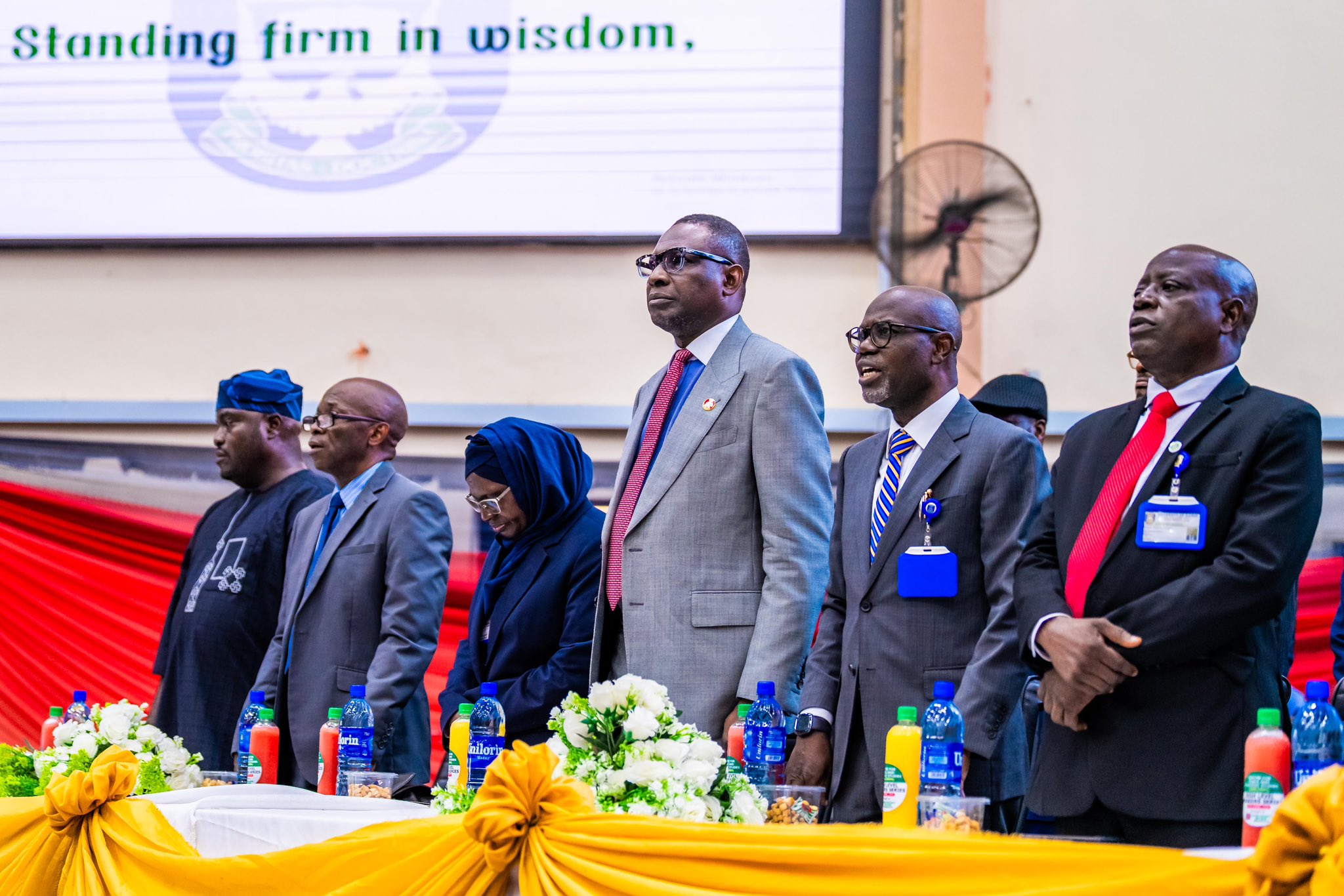
Delivering the inaugural lecture at the High-Level Guest Speakers’ Series organized by the Centre for Peace and Strategic Studies (CPSS) at the University of Ilorin on Wednesday, Olukoyede called on Nigerians across all walks of life to collaborate in ensuring peaceful, credible, and transparent elections.
He stressed that the EFCC remains resolute in its fight against the monetization of the electoral process.
“Leaders who pay their way into public office are unlikely to prioritize public good and accountability. Rather, recouping their investments becomes the overarching objective, to the detriment of the common good,” Olukoyede said.
He described vote buying and vote selling as not just financial crimes but practices that compromise the political recruitment process and weaken the foundation for good governance.
Sophisticated Tactics and EFCC’s Resolve
The EFCC Chairman acknowledged that electoral corruption has grown increasingly sophisticated. Perpetrators now use covert methods, coded communications, off-site arrangements, and even material inducements delivered outside election days to sway voters.
“We are aware of all these antics, and we are prepared to safeguard the integrity of our elections,” he assured.
The Commission has already secured several arrests, prosecutions, and convictions of electoral offenders—including politicians, electoral officials, and ordinary citizens—in recent years and plans to intensify enforcement ahead of 2027.
Call for Collective Action
Olukoyede highlighted key ingredients for credible elections: stronger stakeholder collaboration, strict enforcement of electoral laws, issue-based campaigns, responsible media coverage, impartial security operations, and effective conflict-resolution mechanisms.
He urged political parties to reject vote buying collectively and focus on decency in campaigns, warning that inflammatory rhetoric has historically fueled electoral violence.
He also challenged the media to expose vote-buying networks proactively and called on security agencies to remain professional and neutral throughout the process.
Broader Context at the Event
The lecture series was conceived to provide a platform for stakeholders to address threats to Nigeria’s democratic process. The Director of CPSS, G. A. Animasawun, emphasized the need for practical solutions beyond academic discourse.
Vice-Chancellor of the University of Ilorin, Wahab Olasupo Egbewole, SAN, described electoral corruption as a national security threat and commended the EFCC’s preventive approach, proposing deeper collaboration between the Commission and the Centre.
The event brought together participants from the electoral body, security agencies, civil society, academia, the media, and other key stakeholders committed to strengthening Nigeria’s democracy.
As the nation prepares for another electoral cycle, Olukoyede’s message is clear: vote buying is not just a crime — it steals the future of ordinary Nigerians by installing leaders more focused on personal recovery than public service.
The EFCC’s intensified vigilance signals a determination to make financial inducement in elections a high-risk, low-reward enterprise.
 politics
 Adebayo Challenges Tinubu: Where Is Subsidy Money? Come Out and Account for It
 politics
 NDC Wins Logo Battle as Abuja Court Orders INEC to Use Modified Design
 news
news Atiku Exposes Tinubu’s FAAC Scam: Bigger Naira, Poorer Nigerians
 news
news Police Arrest Hafsat Abubakar Over Fake Fintech Shutdown Document Circulated Online
 politics
 Sowore Declares Peter Obi Yelwata Blockade Government-Sponsored Political Attack
How do you feel about this news?
Community Additions
Have a news tip, correction, or extra context about this story? Post it below instantly. All submissions appear live on this screen immediately.