
Senate Probes LPG Supply Gaps Amid Rising Costs
Senate LPG supply Nigeria, cooking gas price reduction, Jarigbe Jarigbe Gas Committee, Presidential Executive Order 9, domestic LPG shortages, NUPRC NNPC Chevron engagement, high cooking gas prices 2026, Nigerian household energy costs.
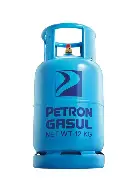
The Senate Committee on Gas Resources has expressed deep concern over the persistent shortage of Liquefied Petroleum Gas (LPG) in the domestic market, warning that the situation risks derailing efforts to lower cooking gas prices for ordinary Nigerians.
During an interface with industry stakeholders on export remittances and domestic supply, Committee Chairman Senator Jarigbe Jarigbe, who represents Cross River North, stressed that the current shortfall runs contrary to the goals of Presidential Executive Order 9, issued by President Bola Tinubu on 13 February 2026.
That order was designed to guarantee adequate local supply, improve revenue remittances, and bring down gas prices.
“Sufficient LPG must be made available locally to ease the financial burden on Nigerians,” Senator Jarigbe underscored.
He assured that the committee would sustain engagement with key players, including Chevron, the Nigerian Upstream Petroleum Regulatory Commission (NUPRC), and the Nigerian National Petroleum Company Limited (NNPC Ltd), to close the supply gaps and deliver the desired price reduction.
A representative of the NUPRC, Enorense Amadasu, explained that certain offshore facilities were originally designed around export evacuation arrangements under the joint venture with Chevron.
He identified infrastructure and logistical constraints as major obstacles preventing offshore LPG from reaching the domestic market efficiently.
The committee is scheduled to continue its engagement with relevant stakeholders next Tuesday as it seeks practical solutions to the supply shortfalls, improved export revenue remittances, and greater availability of cooking gas for Nigerian households.
The Senate’s intervention comes at a time when retail cooking gas prices remain elevated across many parts of the country, with some locations recording rates well above N1,600 per kilogramme despite significant domestic production.
Industry data have repeatedly shown that while local sources now account for the overwhelming majority of LPG receipts, stock cover has fallen short of the recommended 30-day safety benchmark, leaving consumers exposed to price spikes driven by distribution bottlenecks, depot costs and logistics challenges.
For millions of Nigerian families, the high cost of cooking gas has become another layer of economic pressure. Refilling a standard cylinder continues to strain household budgets, forcing many to ration usage or, in some cases, revert to less healthy alternatives.
Lawmakers appear determined to use their oversight role to force greater alignment between production, distribution, and the domestic market so that the benefits of increased local supply finally reach consumers.
The committee’s ongoing work signals a clear message: Nigeria’s gas resources must first serve the people who live here.
Whether the renewed scrutiny will translate into tangible relief at the retail pump remains to be seen, but the conversation has now moved firmly into the Senate’s domain.
Community Additions
Have a news tip, correction, or extra context about this story? Post it below. Submissions appear here straight away.