
Reps Approve Tinubu's Massive $7.7bn Loan As Nigeria's Debt Crisis Deepens
Green Chamber grants President Bola Tinubu's N10.79trn external borrowing request to fund N31.4trn deficit, revise N65.1trn Appropriation Act with just 37 days left
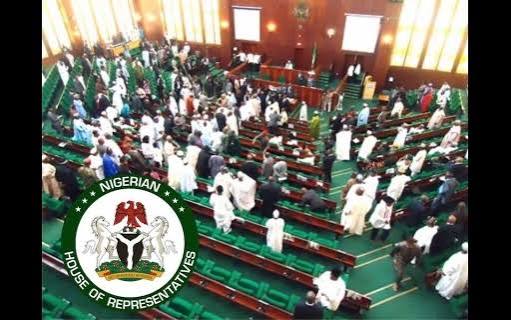
Abuja, Nigeria – November 24, 2026 – Nigerians woke up to sobering news on Tuesday: the House of Representatives has approved President Bola Tinubu’s request to borrow a staggering $7.7 billion to finance the deficit in the 2026 budget.
The approval, reported by Parallel Facts and confirmed across national dailies, grants the President authority for external borrowing of N10.790 trillion—approximately $7,707,404,882.49—at an exchange rate of N1,409 to N1,346.50 to the dollar.
The letter, read on the floor by Speaker Tajudeen Abbas, did not just ask for a loan. With only 37 days left in the year, Tinubu sought approval to repeal and reenact the entire 2026 Appropriation Act and revise the 2026 Federal Government Fiscal Framework.
Under the revised framework, aggregate federal expenditure now stands at N65.176 trillion, down from the N68.323 trillion originally approved. Projected federal revenue, including receipts from government-owned enterprises, is N33.720 trillion.
That leaves a jaw-dropping fiscal deficit of N31.457 trillion, representing 5.64 percent of Gross Domestic Product. Aggregate capital expenditure is retained at N26.232 trillion.
Tinubu told lawmakers the adjustments align with existing obligations and available resources. He said the review would regularize huge Nigerian National Petroleum Company Limited (NNPCL) expenditures incurred on behalf of the Federation, address under-provided debt-service obligations, recognize issued capital warrants, and provide refunds to ministries, departments, and agencies.
He insisted the new borrowing proposal remains unchanged at N29.218 trillion—comprising N18.428 trillion in domestic borrowing and N10.790 trillion in foreign borrowing. The $7.7 billion, he stressed, will finance the existing foreign borrowing provision and will not increase the borrowing envelope.
The funds, to be sourced mainly through Eurobonds described as faster and cheaper, are earmarked for completion of critical road projects, protection of agricultural production, reduction of production costs, improved farm yields, enhanced market access, and tackling water vulnerability.
The House approval mirrors dramatic moves in the Senate, where lawmakers controversially approved both the revised $7.7 billion request and an earlier $20.5 billion plus €1.05 billion 2026-2027 Supplementary External Borrowing Plan that Tinubu had already withdrawn on November 4.
While Senate President Godswill Akpabio insists the loans are within the ECOWAS threshold and part of a rolling plan, ordinary Nigerians are pensive: with debt servicing gulping trillions, inflation biting, and the naira under pressure, can more borrowing deliver relief or deepen the burden for generations unborn?
Tinubu has urged swift passage to ensure orderly implementation and settlement of outstanding obligations.
Community Additions
Have a news tip, correction, or extra context about this story? Post it below. Submissions appear here straight away.