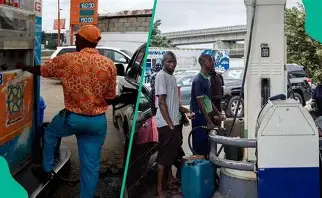
Petrol Hits ₦1,500 as XXSive Blasts Tinubu Over Fuel Price Surge in Oil-Rich Nigeria
Lagos, Nigeria—September 17, 2026—A fiery video by online personality **XXSive** has gone viral, capturing widespread frustration as petrol prices climb toward and beyond ₦1,500 per litre in parts of Nigeria.
In the clip shared by YabaLeftOnline, XXSive directly addresses President Bola Tinubu and his son Seyi, urging truth-telling about the soaring cost of fuel in an oil-producing nation.
“President Tinubu, one litre of fuel is now ₦1,500. When you assumed office, fuel was ₦200. Seyi Tinubu, tell your dad that fuel is now ₦1,500.
All these people promoting APC should go and tell President Tinubu the truth. This is an oil-producing country,” XXSive declared in the widely circulated video.
From ₦200 to Record Highs
When President Tinubu took office in May 2023 and announced the removal of the fuel subsidy, petrol sold for around ₦185–₦200 per liter. Three years later, pump prices have surged dramatically.
Recent reports show petrol selling between ₦1,350 and ₦1,500 per litre across major cities and northern states, with some outlets in places like Kano, Yobe, Sokoto, and Abuja hitting or exceeding the ₦1,500 mark.
The latest spike follows Dangote Petroleum Refinery’s increase of its ex-depot (gantry) price to ₦1,350 per litre, driven by rising global crude oil prices.
Brent crude recently traded above $106 per barrel. NNPCL and independent stations have adjusted retail prices accordingly, leaving motorists, transporters, and businesses reeling.
Labour and Public Outcry
The Nigeria Labour Congress (NLC) has condemned the increases, warning of “incalculable damage” to households already struggling with inflation, high transport costs, and elevated food prices. Businesses that rely on generators and fuel for operations report fresh cost pressures.
Social media reactions mirror XXSive’s frustration. Many Nigerians question how an oil-producing country continues to face such high domestic fuel costs, while others debate the long-term effects of subsidy removal and market deregulation.
Government Context and Broader Impact
The Tinubu administration has defended subsidy removal as a necessary reform that has generated significant fiscal savings—estimated at trillions of naira—and reduced the burden on government finances.
Officials have also promoted Compressed Natural Gas (CNG) as a cheaper alternative for motorists. Critics, however, argue that the promised relief and economic benefits have yet to fully cushion ordinary citizens from the pain of higher energy costs.
As prices remain elevated, the conversation continues to dominate public discourse, with voices like XXSive amplifying everyday experiences at the pump.
Whether further interventions, increased domestic refining, or alternative energy options will ease the pressure remains a key question for many Nigerians heading into the coming months.
 news
news FG Slashes Late Tax Interest Rates from October 1, Ties Them to Market Benchmarks
 news
news IGP Disu Bags Prestigious CIPM Fellowship for Reform Leadership and Welfare Excellence
 news
news Atiku Pledges Targeted Fuel Subsidy, Hails Warm Ondo ADC Reception
 news
news Shipping Lines Hail US Lift of 12-Year Security Restriction on Nigerian Ports
 business
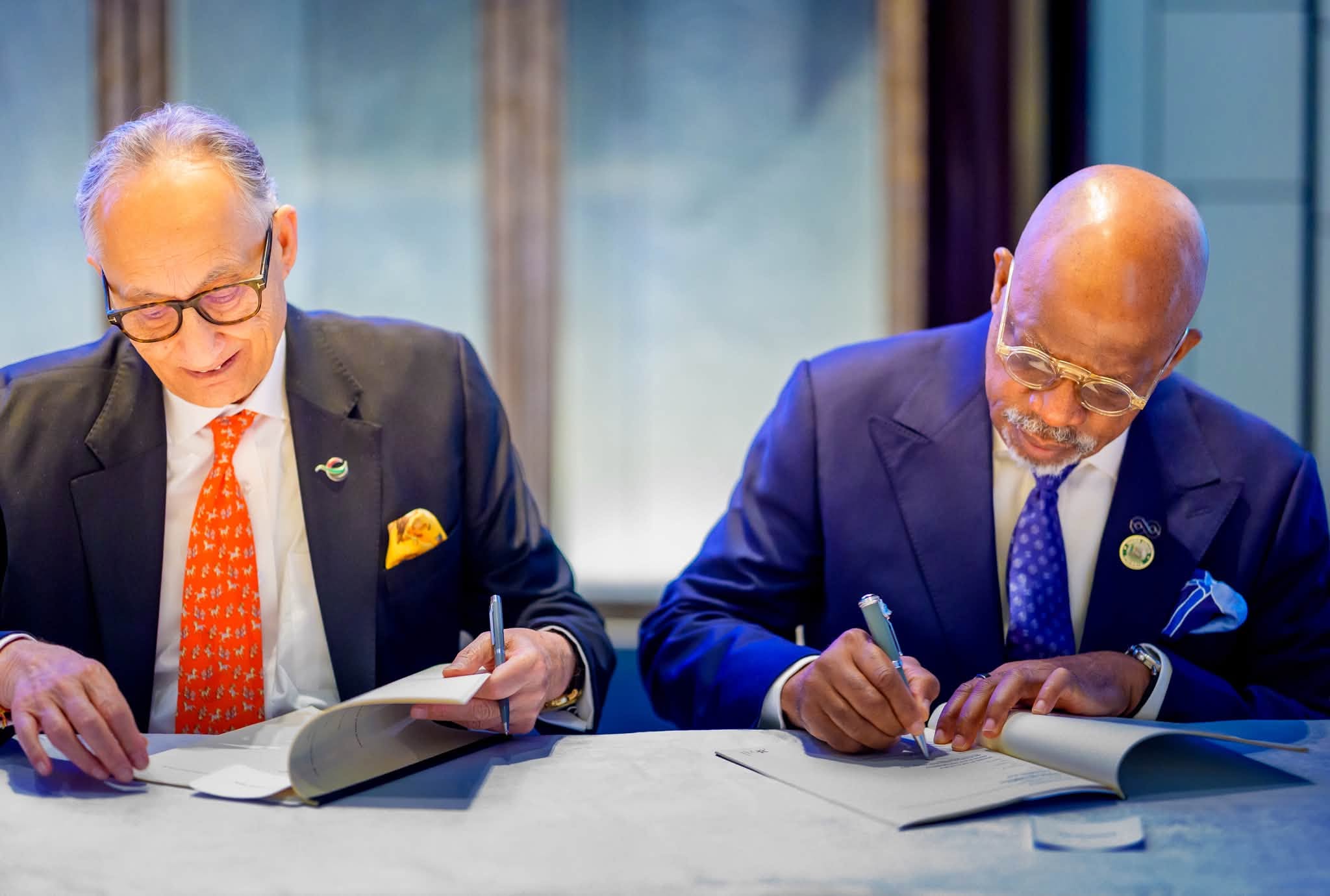
 Tinubu in Paris Backs $7bn Ogun Deep Seaport Deal with DP World for Jobs and Trade
How do you feel about this news?
Community Additions
Have a news tip, correction, or extra context about this story? Post it below instantly. All submissions appear live on this screen immediately.