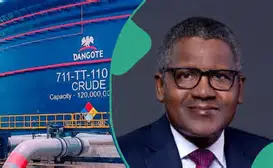
Exclusive: Dangote IPO Shariah Seal Opens Doors for Muslims — Zero Barriers for Christian Investors
Lagos, Nigeria—September 16, 2026—As Africa’s biggest-ever initial public offering gathers momentum, one detail has sparked online debate: the Dangote Petroleum Refinery & Petrochemicals FZE shares have been independently certified as Shariah-compliant.
Some circulating claims suggest this somehow disadvantages or blocks Christian investors. A close look at the prospectus, the certification process, and market practice shows the opposite is true.
What the Shariah Certification Actually Means
Buraq Capital conducted an independent Shariah assessment of the refinery’s business activities and financial ratios against AAOIFI (Accounting and Auditing Organization for Islamic Financial Institutions) Standard 21. The review was further endorsed by the Central Bank of Nigeria’s Financial Regulation Advisory Council of Experts (FRACE).
Key findings included:
- Interest-bearing borrowings stood at approximately 13.995% (within acceptable limits).
- Non-permissible income was just 0.3564%.
- The core business—refining crude oil into fuels and petrochemicals that serve society—was judged permissible under Shariah principles.
The ordinary shares being offered therefore qualify as a permissible investment for Muslims who follow Islamic finance guidelines. This is the first pre-listing Shariah screening of its kind on this scale in the Nigerian capital market.
It Does Not Restrict Anyone
The shares rank pari passu—equal rights—with existing ordinary shares. There is no special class of “Islamic shares” or any clause that prioritizes Muslim buyers, limits Christian participation, or imposes religious conditions on ownership or dividends.
Any eligible investor—Nigerian or foreign, Muslim, Christian, or of any other faith—can apply for the minimum 10 shares (₦5,250) or more through the approved channels.
The certification simply removes a barrier for a large segment of faith-based investors who would otherwise screen out oil-and-gas or interest-related stocks. It widens the pool; it does not shrink it.
Market professionals and the issuing parties have repeatedly described the certification as a way to “appeal to faith-based investors” and democratize ownership further. It is a marketing and inclusion feature, not an exclusion mechanism.
Why the Confusion Arose
In a country where religion often intersects with public discourse, the prominent mention of “Shariah-compliant” in promotional materials and the prospectus has been misinterpreted by some as preferential treatment or a religious filter.
No such filter exists in the offer documents or regulatory approvals from the Securities and Exchange Commission.
Similar Shariah-screened stocks already trade freely on the Nigerian Exchange (including Dangote Cement itself). Christian investors have long held those shares without restriction. The same applies here.
Broader Context of the IPO
The offer of 4.1 billion new ordinary shares at ₦525 each targets up to ₦2.15 trillion (about $1.6 billion), with a possible greenshoe.
The subscription runs from 14 September to 13 October 2026. The company has emphasized broad retail participation, low entry thresholds, and the potential for long-term value creation from Africa’s largest single-train refinery.
The Shariah seal is one more tool in that democratization effort—making the shares accessible to investors who apply Islamic screening criteria while remaining fully open to everyone else.
Bottom line for investors of every faith: The Shariah-compliant status is an additional green light for Muslim participants. It places no red light in front of Christian or any other buyers. Ordinary shares remain ordinary shares.
 news
news FG Slashes Late Tax Interest Rates from October 1, Ties Them to Market Benchmarks
 news
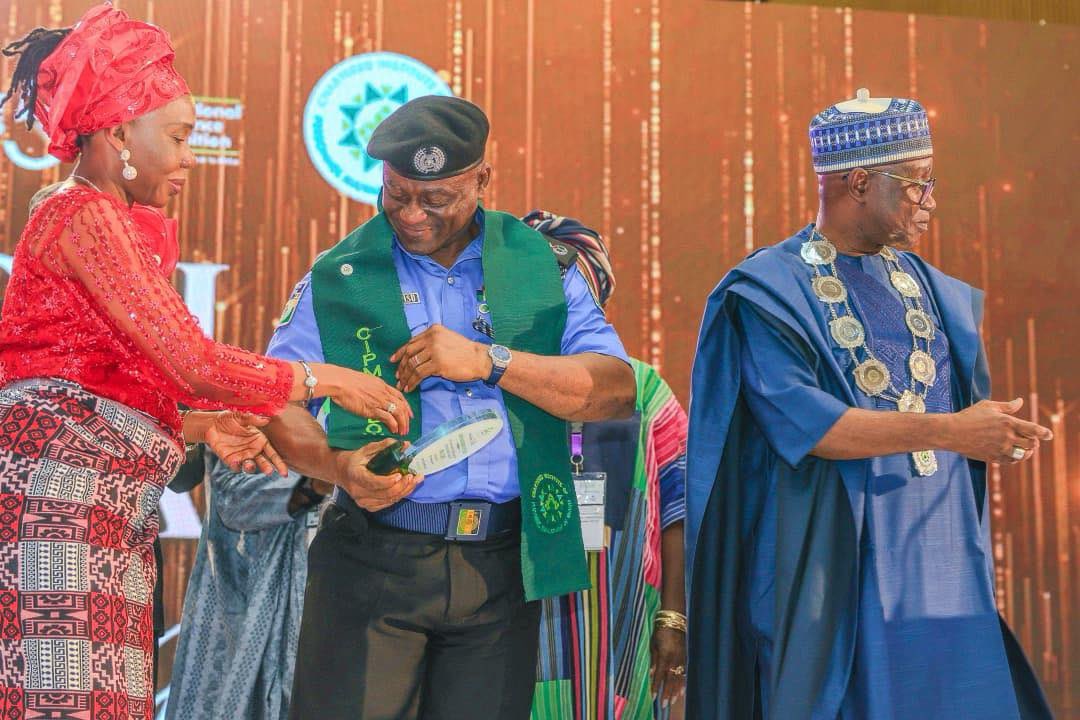
news IGP Disu Bags Prestigious CIPM Fellowship for Reform Leadership and Welfare Excellence
 news
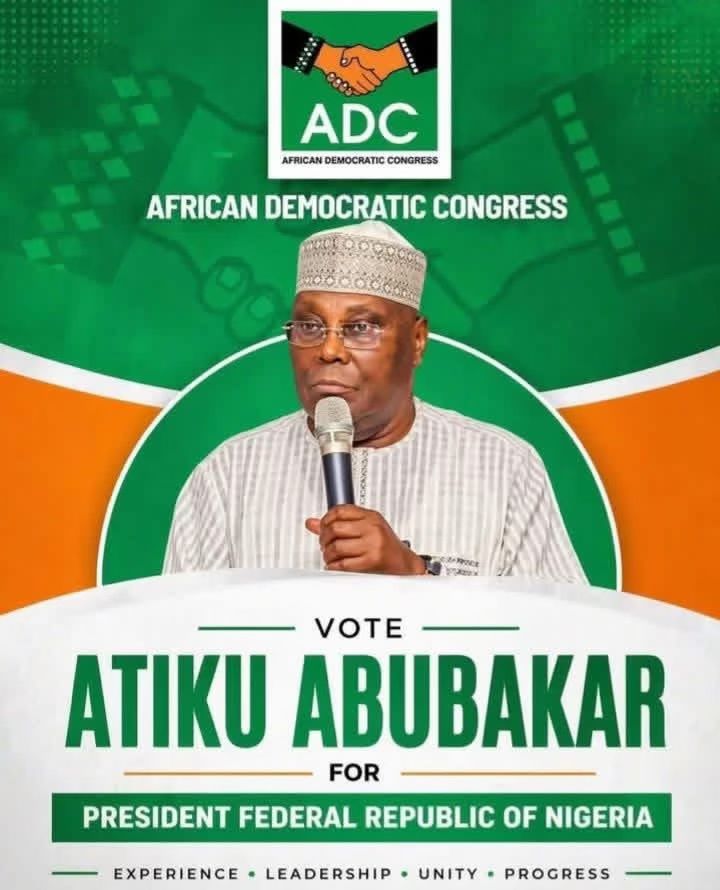
news Atiku Pledges Targeted Fuel Subsidy, Hails Warm Ondo ADC Reception
 news
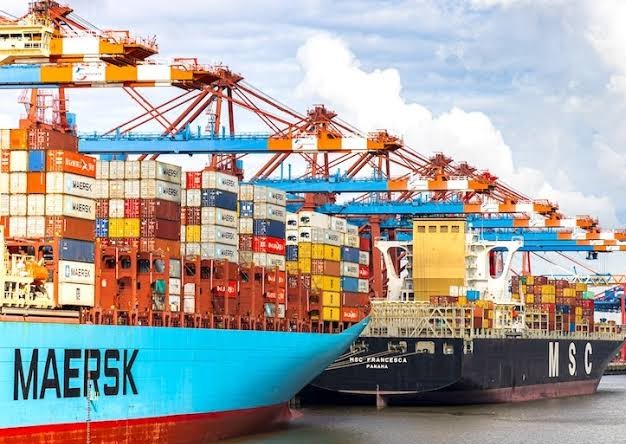
news Shipping Lines Hail US Lift of 12-Year Security Restriction on Nigerian Ports
 business
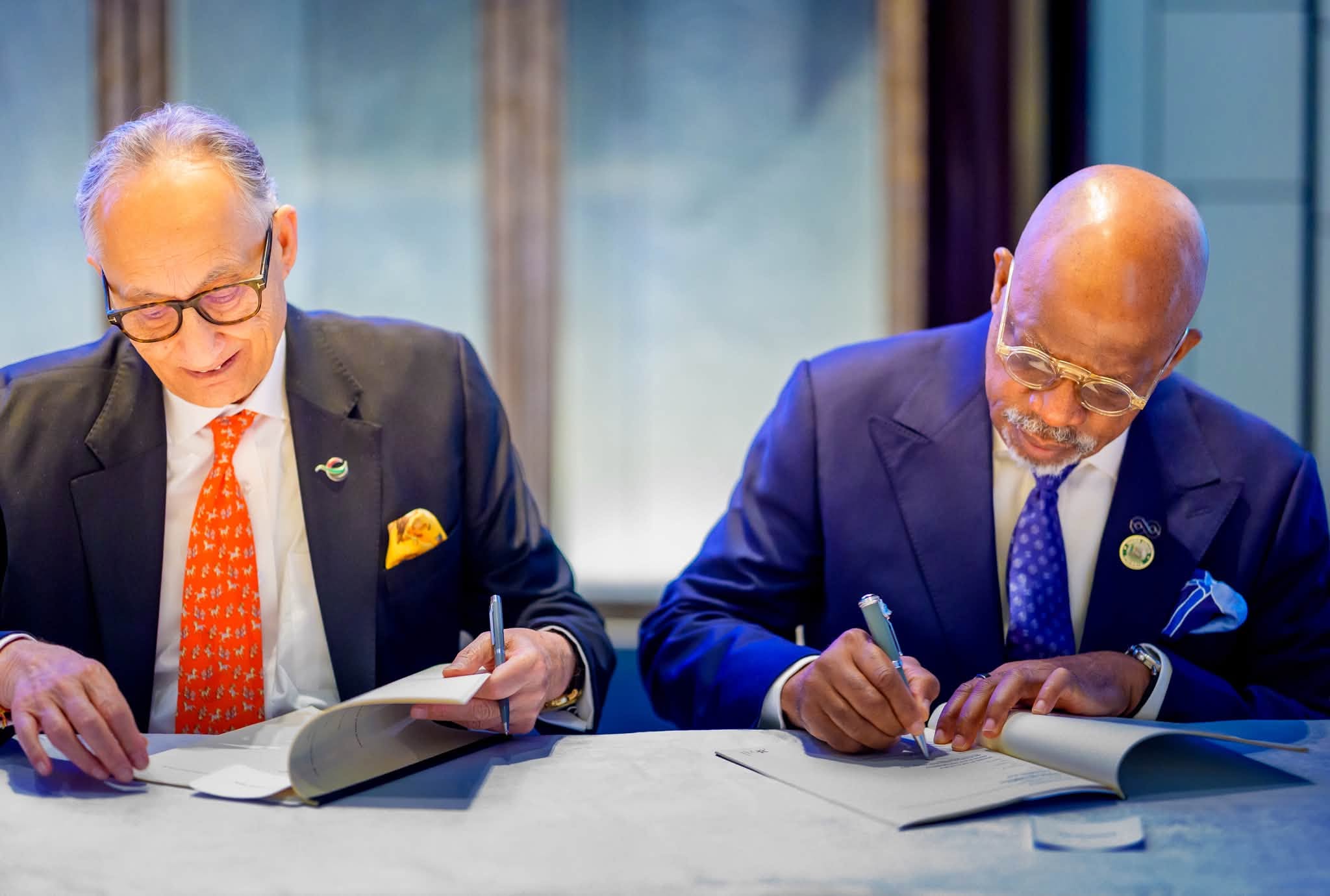
 Tinubu in Paris Backs $7bn Ogun Deep Seaport Deal with DP World for Jobs and Trade
How do you feel about this news?
Community Additions
Have a news tip, correction, or extra context about this story? Post it below instantly. All submissions appear live on this screen immediately.