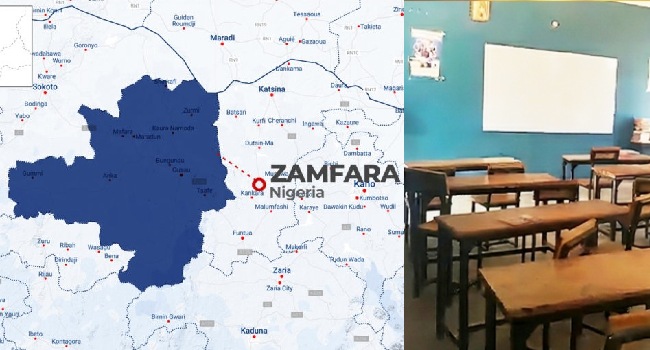
Zamfara Launches Drive to Enrol 453,602 Out-of-School Children, 95% in Rural Areas
Gusau, Zamfara State—September 14, 2026—Zamfara State has launched an ambitious campaign to bring 453,602 out-of-school children back into classrooms, with officials revealing that a staggering 95.3 per cent of them live in rural communities.
The Zamfara State Universal Basic Education Board (ZSUBEB) officially kicked off the 2026 enrolment drive on Monday at the JNI Model Primary School in Gusau. Executive Chairman Professor Nasiru Anka (also referred to as Nasiru Garba Anka) told stakeholders that the state must now move beyond counting the problem to solving it.
“The challenge of out-of-school children is not peculiar to Zamfara State. It is a national challenge,” Anka said.
He referenced UNICEF figures showing Nigeria has about 10.2 million children out of school at the primary level and another 8.1 million at junior secondary level.
“Our responsibility today is to focus on our children in Zamfara State and, most importantly, to move from statistics to action.”
A UNICEF-supported registration and mapping exercise conducted with ZSUBEB and other partners identified the 453,602 children across the state’s 14 Local Government Education Authorities for the 2024–2025 period.
Of these, 95.3 percent (approximately 432,319 children) live in rural communities, while only 21,283 children—or 4.7 percent—are found in urban centres around local government headquarters.
Anka stressed the need for a clear progression: from identification to enrollment, from enrollment to retention, and from retention to meaningful learning.
The mobilization will involve traditional rulers, religious leaders, community leaders, the Universal Basic Education Commission (UBEC), UNICEF, local education authorities, and other stakeholders.
The campaign comes against a backdrop of gradual progress in Zamfara. Earlier data indicated the state had roughly 455,947 out-of-school children as of 2025, down significantly from higher figures recorded in previous years under Governor Dauda Lawal’s administration.
Officials have attributed improvements to school renovations, teacher training, placement exercises, school feeding pilots and targeted admissions.
Yet challenges remain acute, particularly in rural areas where insecurity, poverty, distance to schools, and socio-cultural factors have long kept children—especially girls—out of classrooms.
Education advocates note that sustained community engagement and safe, functional schools will be critical if the new numbers are to translate into lasting gains.
Professor Anka’s message was clear: data collection has done its job. Now the real work of getting every identified child into a classroom—and keeping them there—begins.
 news
news FG Slashes Late Tax Interest Rates from October 1, Ties Them to Market Benchmarks
 news
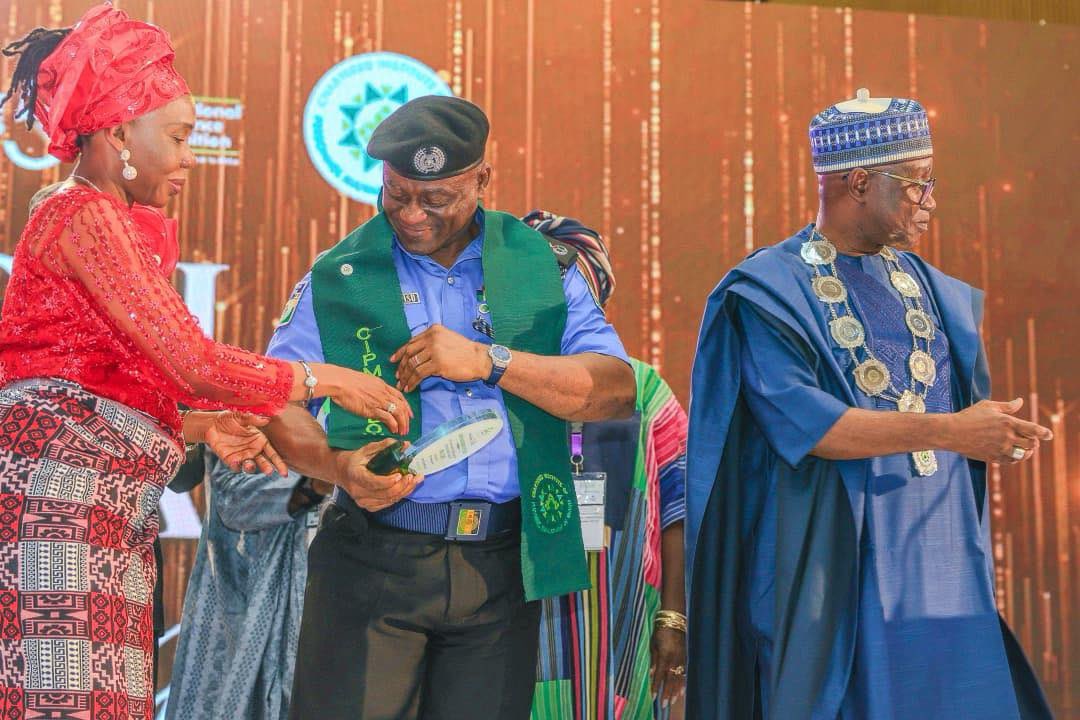
news IGP Disu Bags Prestigious CIPM Fellowship for Reform Leadership and Welfare Excellence
 news
news Atiku Pledges Targeted Fuel Subsidy, Hails Warm Ondo ADC Reception
 news
news Shipping Lines Hail US Lift of 12-Year Security Restriction on Nigerian Ports
 business
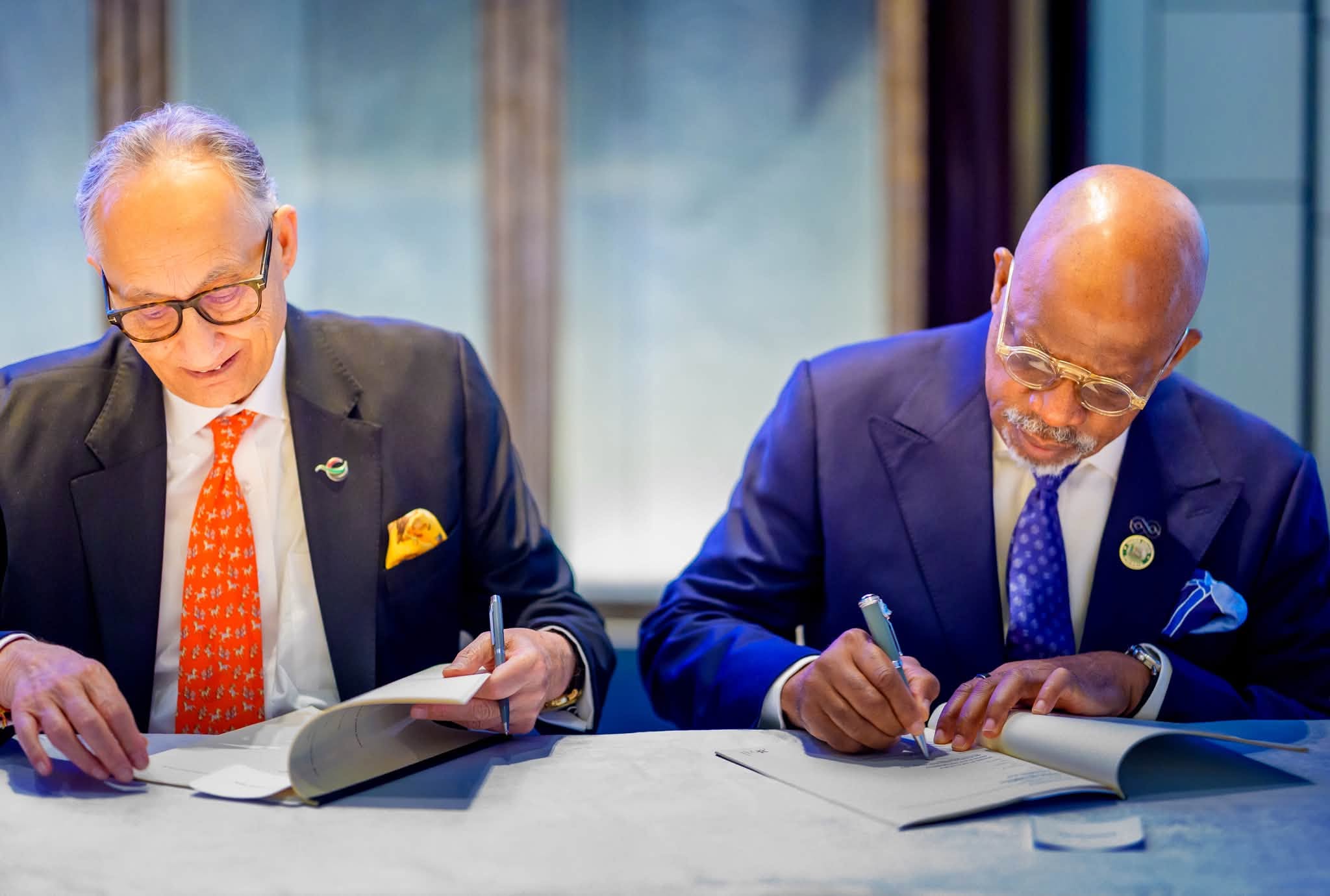
 Tinubu in Paris Backs $7bn Ogun Deep Seaport Deal with DP World for Jobs and Trade
How do you feel about this news?
Community Additions
Have a news tip, correction, or extra context about this story? Post it below instantly. All submissions appear live on this screen immediately.