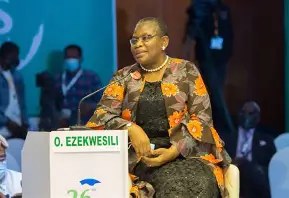
Oby Ezekwesili: Most Nigerian Wealth Cannot Be Traced to Any Productive Activity
Lagos, August 23, 2026 — Former Education Minister and economic policy expert Dr. Obiageli “Oby” Ezekwesili has delivered a sharp critique of Nigeria’s political economy, arguing that the vast majority of the country’s wealthy elite cannot trace their fortunes to any genuine productive activity.
Speaking in an exclusive interview on News Central Television’s 60 Minutes with Mr. Kay, hosted by Kayode Akintemi, Ezekwesili stated: “Line up all the people who are wealthy in our country today and try to trace their wealth to any productive activity. None, maybe a few.”
She described the public sector as the primary “corridor for wealth,” noting that entry into government often guarantees massive and frequently questionable enrichment.
According to her, this pattern has distorted societal values so deeply that many citizens now view such sudden riches as mere “good fortune” rather than a failure of accountability.
Poverty, Elections and a Weakened Democracy
Ezekwesili linked the problem to broader democratic fragility. She observed that with about 64 percent of Nigerians living in poverty, daily survival dominates most people’s concerns.
For this majority, elections have become little more than “a market day to improve income by a little bit of notches for that day.”
“They are not voting for four years. They are voting for that day’s income,” she said, adding that the middle class—which in healthier societies drives demands for better governance and social mobility—remains largely disengaged.
She also criticized absentee governance by many state governors who, she claimed, spend more time in Abuja than in their state capitals, further eroding effective leadership and public trust.
Call for Structural Change
Ezekwesili insisted that good governance is “a design” and that Nigeria must confront uncomfortable truths about how power and wealth are acquired.
She argued that the current system rewards rent-seeking and influence-peddling over genuine enterprise and production, trapping the country in a cycle of underperformance.
The former World Bank Vice President for Africa and co-founder of Transparency International has long been a vocal advocate for accountability and institutional reform.
Her latest comments form part of a wider conversation about the quality of leadership Nigeria needs as the 2027 general elections approach.
As the interview continues to circulate, it has reignited debate among Nigerians about the sources of elite wealth, the role of the state in enrichment, and the urgent need for a political culture that rewards productivity rather than proximity to power.
 politics
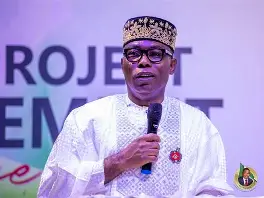
 Adebayo Challenges Tinubu: Where Is Subsidy Money? Come Out and Account for It
 politics
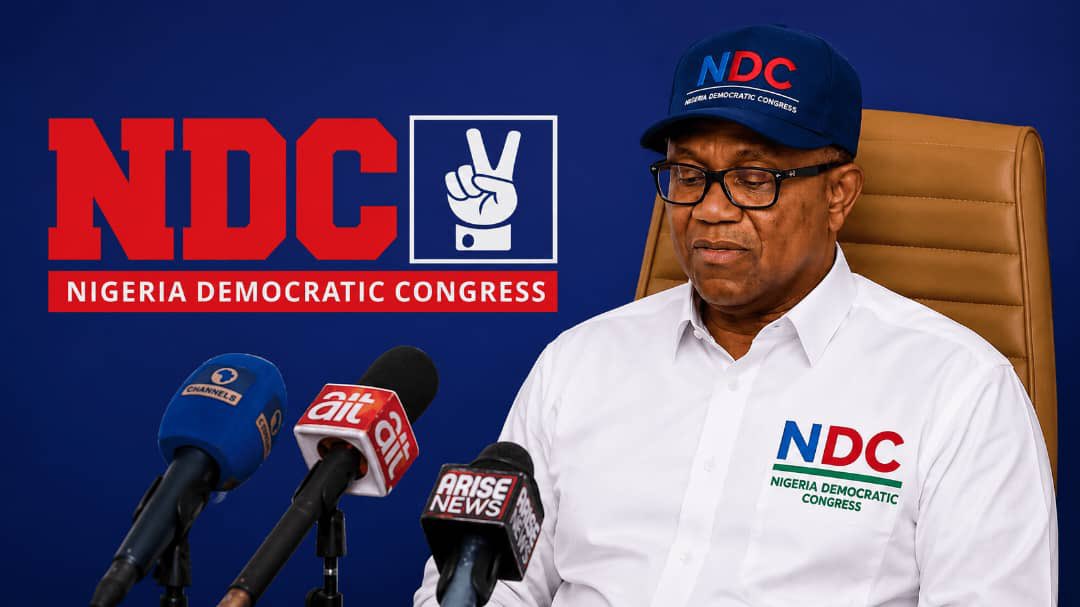
 NDC Wins Logo Battle as Abuja Court Orders INEC to Use Modified Design
 news
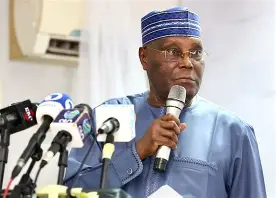
news Atiku Exposes Tinubu’s FAAC Scam: Bigger Naira, Poorer Nigerians
 news
news Police Arrest Hafsat Abubakar Over Fake Fintech Shutdown Document Circulated Online
 politics
 Sowore Declares Peter Obi Yelwata Blockade Government-Sponsored Political Attack
How do you feel about this news?
Community Additions
Have a news tip, correction, or extra context about this story? Post it below instantly. All submissions appear live on this screen immediately.