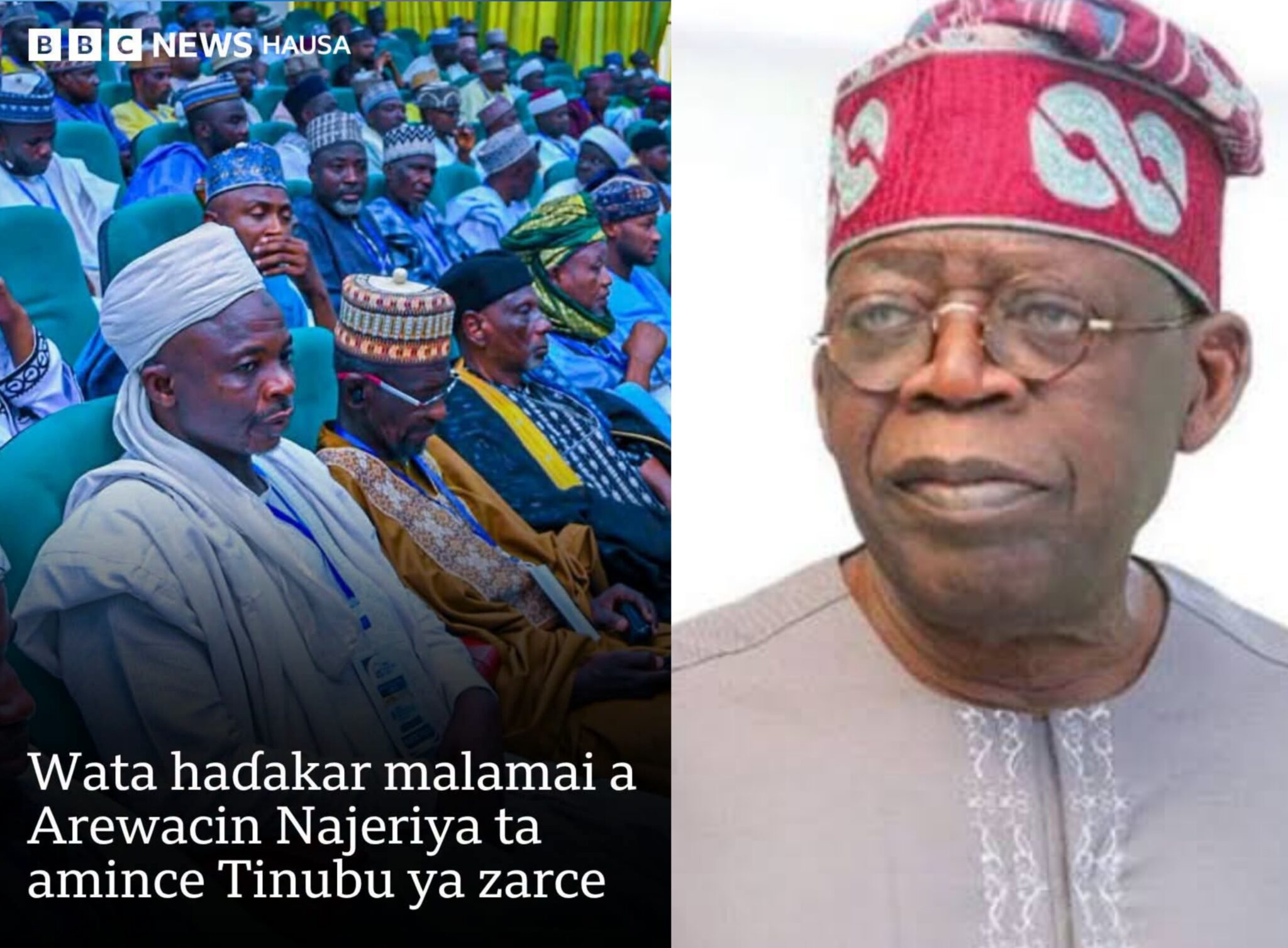
‘They Are Politicians, Not Imams’ — Group Accuses Tinubu of Fake Cleric Endorsements
Abuja, August 24, 2026 — A northern group has raised a strong alarm over what it describes as a coordinated effort by President Bola Tinubu and his political associates to gather and deploy “fake Islamic clerics” for religious endorsements ahead of the 2027 general elections.
In a statement circulating widely on social media, the group insisted that many of the individuals presented as Islamic scholars and Imams are in reality politicians pursuing partisan interests.
It warned Nigerians not to accept their pronouncements as the authentic voice of Islam or the broader Muslim community in the North.
The allegation comes just days after more than 500 Islamic scholars, preachers, and clerics from the 19 northern states and the Federal Capital Territory reportedly endorsed President Tinubu for a second term.
The endorsement followed a closed-door meeting in Dutse, Jigawa State, attended by six northern APC governors, Deputy Senate President Barau Jibrin, and the President’s Special Adviser on Political Matters, Ibrahim Kabir Masari.
Government officials and participants at the Jigawa gathering presented the endorsement as a genuine expression of confidence in the administration’s handling of security, infrastructure, and economic challenges in the North.
Minister of Housing and Urban Development Mustapha Darma Rabe, who read the resolution, said the scholars reviewed progress under Tinubu and found reason to support his re-election bid.
The northern group, however, rejected that narrative. “They are politicians, not Imams,” the statement declared.
It argued that the use of religious figures for political endorsements forms part of a wider strategy to create religious pressure on voters and influence the 2027 elections through faith rather than competence, character or performance.
The group urged Nigerians to remain vigilant, verify claims carefully, and refuse to allow any politician, cleric or political platform to dictate their voting choices.
“No politician, imam, or political group will tell us who to vote for,” it stated, emphasizing that citizens retain the constitutional right to decide freely.
As political consultations intensify across the country, the clash of narratives highlights growing tension over the role of religion in electoral politics.
Supporters of the endorsement see it as legitimate grassroots mobilization, while critics view it as a dangerous attempt to weaponize faith for political gain.
Nigerians on all sides are being called upon to prioritize issues of governance, security and economic wellbeing over religious or ethnic appeals as the road to 2027 begins to take clearer shape.
 politics
 Adebayo Challenges Tinubu: Where Is Subsidy Money? Come Out and Account for It
 politics
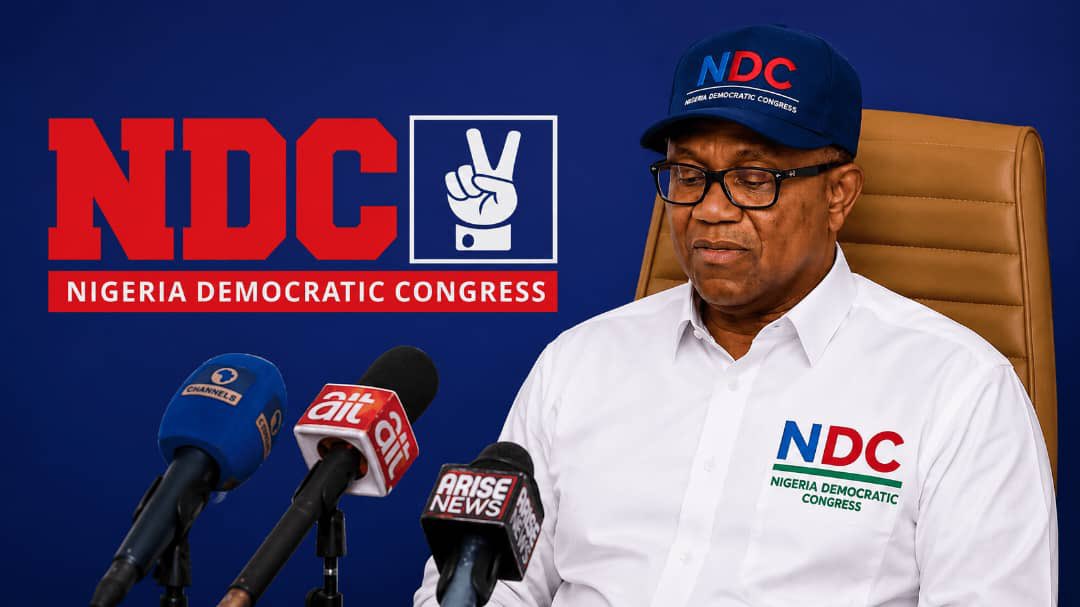
 NDC Wins Logo Battle as Abuja Court Orders INEC to Use Modified Design
 news
news Atiku Exposes Tinubu’s FAAC Scam: Bigger Naira, Poorer Nigerians
 news
news Police Arrest Hafsat Abubakar Over Fake Fintech Shutdown Document Circulated Online
 politics
 Sowore Declares Peter Obi Yelwata Blockade Government-Sponsored Political Attack
How do you feel about this news?
Community Additions
Have a news tip, correction, or extra context about this story? Post it below instantly. All submissions appear live on this screen immediately.