Intimidation Campaign Targets Anti-Corruption Watchdog SERAP in Nigeria
Abuja, Nigeria – June 23, 2026 – In a troubling escalation of pressure on Nigeria’s civil society, leading anti-corruption and human rights organization SERAP faces renewed intimidation and judicial harassment amid its ongoing efforts to expose alleged mismanagement and corruption at the Nigerian National Petroleum Company Limited (NNPCL).
Amnesty International Nigeria highlighted the case today by sharing an urgent appeal from the Observatory for the Protection of Human Rights Defenders (a partnership of FIDH and OMCT), underscoring growing concerns about shrinking civic space and threats to freedom of expression in Africa’s most populous nation.
Background of the Dispute
The latest developments stem from a September 9, 2024, incident when SERAP reported that two Department of State Services (DSS) officials visited its Abuja office in unmarked vehicles without prior notice.
Staff alleged the officials demanded access to management, requested documents, and interrogated the front desk officer, creating an atmosphere of fear that the office might be raided.
One official reportedly used a false name on the visitors’ register.
This visit occurred shortly after SERAP publicly criticized the NNPCL over rising petrol prices and alleged corruption and mismanagement.
On May 5, 2026, the High Court of the Federal Capital Territory in Abuja ruled in favor of the two DSS officials, finding SERAP liable for defamation.
Justice Yusuf Halilu ordered the organization to pay ₦100 million (approximately €64,000) in damages and issue a public apology.
SERAP swiftly appealed the judgment and sought a stay of execution, describing the ruling as a “travesty” and a dangerous precedent that could stifle public interest advocacy.
The organization maintains its statements were based on legitimate concerns raised in the course of its work.
Ongoing Harassment and Broader Implications
As of June 23, 2026, SERAP continues to endure smear campaigns, state-sponsored protests, media attacks, and threatening messages allegedly linked to security services.
Some staff members have expressed reluctance to return to the office out of fear of arbitrary arrest or further harassment.
The Observatory classifies the case as a Strategic Lawsuit Against Public Participation (SLAPP), a tactic increasingly used to silence critics through costly and protracted legal battles.
SERAP, a recipient of the Wole Soyinka Anti-Corruption Defender Award and a member of the UNCAC Coalition, has a long track record of using litigation and advocacy to promote transparency, accountability, and socio-economic rights in Nigeria.
This episode occurs against a backdrop of broader challenges to civic space in Nigeria. Amnesty International and other groups have repeatedly documented excessive force against protesters, arbitrary arrests of journalists and activists, and failures to address widespread insecurity, including mass abductions and attacks by armed groups.
SERAP’s Recent Activities
Far from being silenced, SERAP remains active. In June 2026, it filed a lawsuit against the NNPCL demanding accountability for approximately ₦5.9 billion in expenditures.
The group continues pressing for investigations into corruption, environmental issues, and governance failures across multiple fronts.
Calls for Action
The Observatory urges Nigerian authorities, including President Bola Ahmed Tinubu’s administration, to ensure a fair appeal process, halt all forms of harassment against SERAP and other human rights defenders, and investigate the corruption allegations raised regarding the NNPCL.
It emphasizes that such actions violate Nigeria’s Constitution as well as international obligations under the African Charter on Human and Peoples’ Rights and the International Covenant on Civil and Political Rights.
Human rights experts warn that unchecked judicial harassment risks creating a chilling effect not only on SERAP but on journalists, whistleblowers, and civil society organizations nationwide.
In a country with one of Africa’s largest online populations, restrictions on digital expression and public interest advocacy could significantly undermine democratic accountability.
As this story develops, with SERAP’s appeal pending, observers will be watching closely to see whether Nigeria’s institutions uphold the rule of law and protect the space for independent scrutiny—or whether powerful interests will further erode the ability of watchdogs to operate freely.
 news
news Tinubu Set to Crush Obi, Atiku in 2027 Poll
 news
news Israel Urges Nigerian Doctors for Capacity Training Abroad
 news
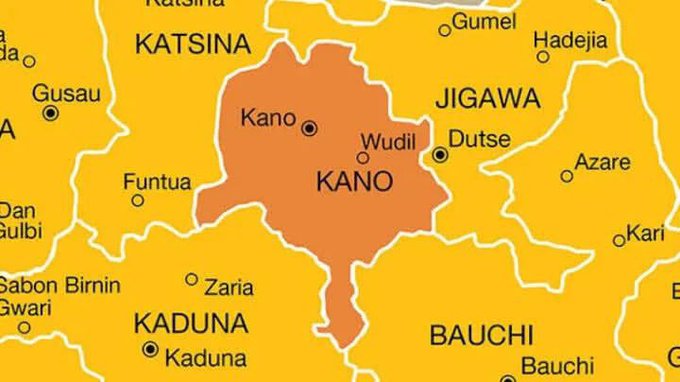
news Kano Woman Stabs Boyfriend, Severs Manhood Completely
 world
world Trump Hails Court Win Over New York Times Lawsuit
 news
news Minister Hails NTA’s World-Class Studio in Tinubu Media Push
How do you feel about this news?
Community Additions
Have a news tip, correction, or extra context about this story? Post it below instantly. All submissions appear live on this screen immediately.