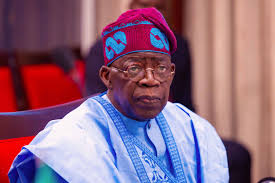
VIDEO: TikTok Exposé Ignites Fierce Debate Over Tinubu's Three-Year Legacy of Pain and Promise
In the bustling digital arena of Nigerian social media, a passionate young woman’s meticulously compiled video has struck a raw nerve, rapidly spreading among critics of President Bola Ahmed Tinubu’s administration.
Shared widely on X (formerly Twitter) by influencer @TENIBEGILOJU202—a vocal supporter of opposition figure Peter Obi—the roughly 6.5-minute clip frames three years of Tinubu’s presidency as a catalog of unfulfilled promises, economic hardship, and governance shortfalls.
The documentary-style video, created by TikTok user @userxkh3ig146, juxtaposes optimistic campaign rhetoric and official pronouncements against stark on-the-ground realities.
Split-screen visuals of Tinubu speaking alternate with the woman’s earnest, often frustrated delivery as she dissects key policy areas.
Large, emphatic text overlays drive home the central thesis: “3 years of Tinubu’s failed Government and failed policies.”
Core Grievances Spotlighted in the Viral Critique
The creator methodically contrasts pre- and post-election assurances with persistent challenges:
-Economic Turmoil: Removal of fuel subsidies and naira flotation—hallmark reforms intended to stabilize finances—are portrayed as triggering skyrocketing inflation, currency devaluation, and widespread suffering. The video highlights everyday struggles like rising food prices, eroded purchasing power, and business closures, echoing sentiments felt by millions.
-Security Failures: Images of unrest and reports of abductions underscore claims that insecurity has not only persisted but expanded, affecting more regions despite government operations against insurgents.
- Broken Promises vs. Propaganda: Clips of Tinubu and officials touting initiatives (e.g., digital economy plans, infrastructure) are set against accusations of propaganda over tangible relief.
The narrator questions direct benefits to ordinary citizens, pointing to poverty statistics and unmet expectations in jobs, power supply, and welfare.
The poster’s call to “Retweet massively till it gets to the Jagabandits” (a derogatory term for Tinubu supporters) has amplified its reach, reflecting deep partisan divides in Nigeria’s polarized political landscape.
Context and Counter-Narratives: A Nation in Transition
As a veteran journalist covering Nigerian affairs for decades, one recognizes this video as more than partisan agitprop—it captures genuine anguish amid ambitious, painful reforms.
President Tinubu assumed office in May 2023 inheriting structural woes: decades of subsidy regimes distorting the economy, multiple exchange rates fueling corruption, and entrenched insecurity.
His administration’s defenders highlight measurable macroeconomic gains. Reforms have reportedly strengthened public finances, attracted investor interest, boosted non-oil GDP contributions, and improved revenue collection.
Official statements and international assessments (e.g., from IMF and World Bank) note stabilization, GDP growth projections around 4% for 2026, declining inflation trends in some periods, and initiatives like student loans and CNG adoption.
Yet, the human cost remains undeniable. Over 60% of Nigerians grapple with poverty, food insecurity affects millions, and living costs have surged.
Critics, including opposition voices and analysts, argue that while long-term foundations may be laid, short-term relief has been insufficient.
Security incidents, such as school abductions, continue to fuel public frustration and calls for greater accountability.
This duality—fiscal prudence versus mass hardship—defines the Tinubu era’s narrative. Supporters see a “performer” executing tough but necessary surgery on a dysfunctional system; detractors view elite detachment and policy missteps exacerbating inequality.
Videos like this thrive because they humanize statistics. A young woman voicing the frustrations of market women, youth, and working families resonates in a country where social media has democratized discourse but also intensified echo chambers.
It underscores unresolved tensions: federalism debates, youth unemployment, and trust deficits between leaders and the led.
As Nigeria navigates 2026 and beyond, the administration faces pressure to translate macroeconomic “stability” into visible, inclusive prosperity. Opposition momentum, fueled by such content, tests the ruling APC’s resilience ahead of future cycles.
The young TikToker and the X poster may represent a generation demanding results over rhetoric. Whether this “most detailed documentary” on Tinubu’s shortcomings catalyzes policy shifts or merely entrenches divisions remains to be seen.
In the end, Nigeria’s story isn’t written in any single viral clip, but in how its leaders bridge the gap between bold vision and the daily realities of its 200+ million citizens.
For now, the conversation rages on—raw, urgent, and unmistakably human.
you can watch the
 politics
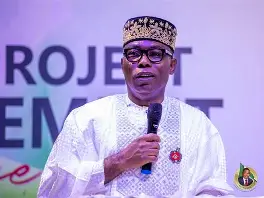
 Adebayo Challenges Tinubu: Where Is Subsidy Money? Come Out and Account for It
 politics
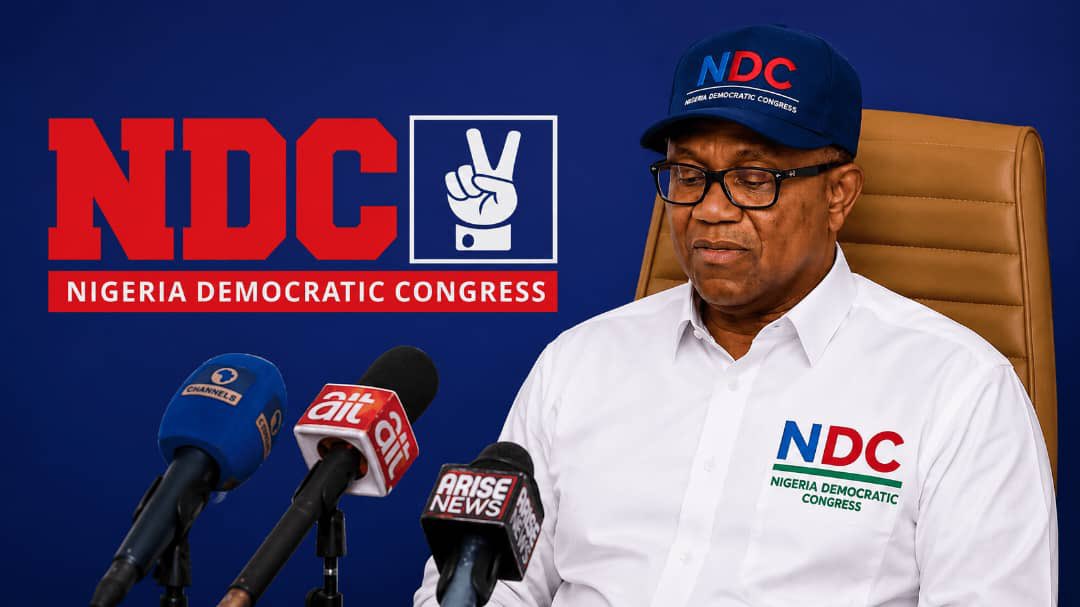
 NDC Wins Logo Battle as Abuja Court Orders INEC to Use Modified Design
 news
news Atiku Exposes Tinubu’s FAAC Scam: Bigger Naira, Poorer Nigerians
 news
news Police Arrest Hafsat Abubakar Over Fake Fintech Shutdown Document Circulated Online
 politics
 Sowore Declares Peter Obi Yelwata Blockade Government-Sponsored Political Attack
How do you feel about this news?
Community Additions
Have a news tip, correction, or extra context about this story? Post it below instantly. All submissions appear live on this screen immediately.