Israel Strikes Beirut with Bare Minimum U.S. Warning
Beirut / Jerusalem – June 14, 2026 — Israel carried out airstrikes on Beirut’s southern suburbs on Sunday, targeting what it described as Hezbollah infrastructure, after concluding that Iran was unlikely to mount a significant retaliation.
According to reports from Israeli Army Radio and multiple diplomatic sources, Israeli officials assessed that Tehran would probably restrain its response, allowing the operation to proceed despite the fragile state of U.S.-brokered negotiations with Iran.
The strike marks one of the most significant Israeli actions in the Lebanese capital in recent weeks.
Crucially, Israel provided only a last-minute heads-up to the United States. Israeli and U.S. officials confirmed that the Israel Defense Forces (IDF) notified U.S. Central Command (CENTCOM) shortly before the operation.
Diplomats noted that this brief notification fell far short of full coordination or a formal green light.
The timing has drawn particular attention because it coincided with reports that the United States and Iran were close to finalizing elements of a broader agreement aimed at de-escalating the wider regional conflict.
Israeli Prime Minister Benjamin Netanyahu’s office stated that the strikes were a direct response to Hezbollah rocket and drone attacks on northern Israel.
The targets were located in Dahiyeh, the densely populated southern suburbs of Beirut long considered a Hezbollah stronghold.
Lebanese health authorities reported casualties from the strikes, though exact figures were still being confirmed at the time of reporting.
The operation came days after a U.S.-brokered truce attempt had raised hopes of reduced hostilities.
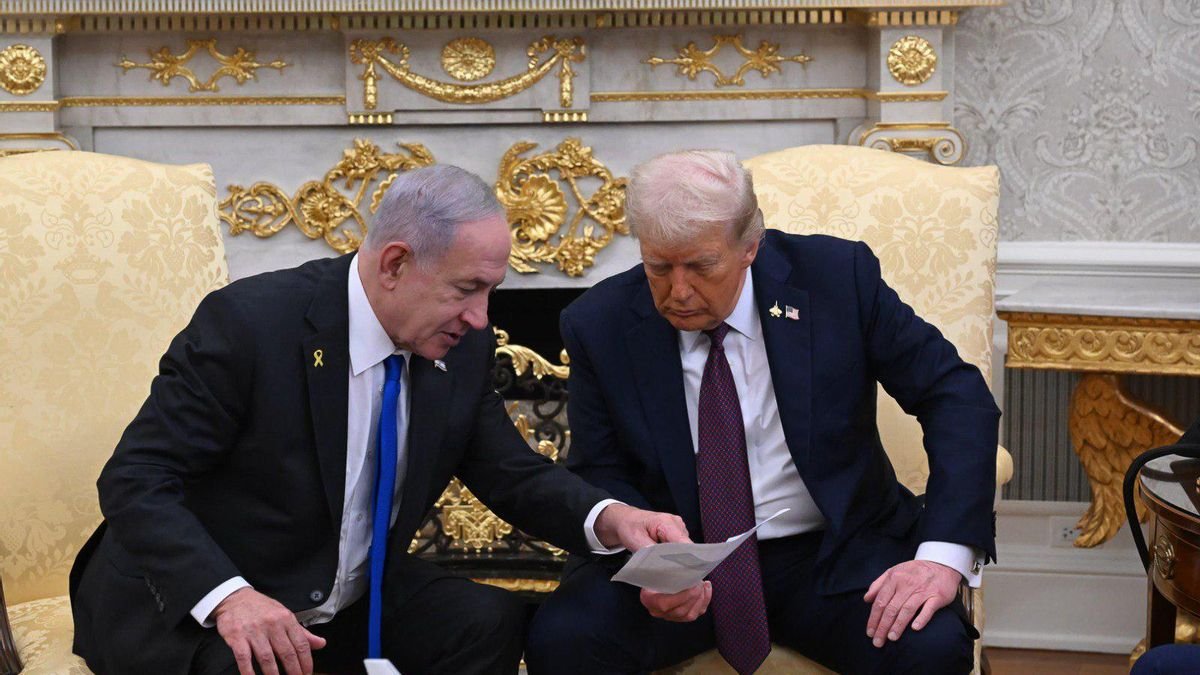
U.S. President Donald Trump publicly expressed displeasure with the timing of the Israeli action, noting that it occurred on a day when progress toward a deal with Iran appeared possible.
American officials have been working intensively to prevent a wider regional war while maintaining support for Israel’s right to defend itself.
Iranian officials have accused Israel of attempting to sabotage the negotiations, with some hardliners in Tehran calling for a strong response.
However, as of Sunday evening, there were no immediate signs of large-scale Iranian retaliation.
The episode underscores the delicate balancing act facing both Washington and Jerusalem.
While Israel maintains it will not outsource its security decisions, the limited advance notice to the U.S. highlights growing friction over the pace and scope of military operations at a moment when diplomatic efforts are intensifying.
Analysts say the strike could complicate efforts to stabilize the Israel-Hezbollah front and finalize any broader understanding between the U.S. and Iran.
It also raises questions about how much influence the United States retains over its closest Middle East ally when core Israeli security interests are at stake.
Israeli officials have long argued that they alone will determine the timing and targets of operations against groups they consider existential threats.
Sunday’s action appears to reinforce that position, even as the broader region watches nervously for Iran’s next move.
Further updates are expected as casualty figures are confirmed and diplomatic reactions continue to unfold.
 news
news FG Slashes Late Tax Interest Rates from October 1, Ties Them to Market Benchmarks
 news
news IGP Disu Bags Prestigious CIPM Fellowship for Reform Leadership and Welfare Excellence
 news
news Atiku Pledges Targeted Fuel Subsidy, Hails Warm Ondo ADC Reception
 news
news Shipping Lines Hail US Lift of 12-Year Security Restriction on Nigerian Ports
 business
 Tinubu in Paris Backs $7bn Ogun Deep Seaport Deal with DP World for Jobs and Trade
How do you feel about this news?
Community Additions
Have a news tip, correction, or extra context about this story? Post it below instantly. All submissions appear live on this screen immediately.