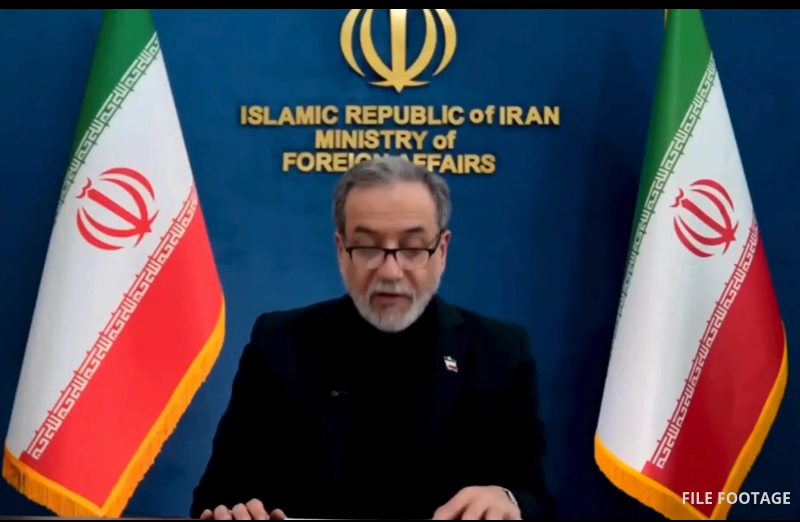
Iran Rejects US Peace Deal Over Frozen Assets
Washington / Tehran – June 14, 2026 — Iran has reportedly declined to approve a proposed peace agreement with the United States, with Tehran insisting on the immediate release of $24 billion in frozen Iranian assets as a key condition for any deal.
According to sources cited by Iranian media and analysts, Iranian negotiators are demanding the unfreezing of the funds as a “trust test” for the Trump administration.
This stance directly conflicts with statements from President Donald Trump and senior U.S. officials, who have repeatedly ruled out any upfront cash transfers or asset releases without verifiable Iranian compliance on core issues.
The proposed agreement, reportedly mediated with Qatari or Pakistani involvement, aims to end hostilities that have disrupted global oil supplies through the Strait of Hormuz. Key elements under discussion include:
- A ceasefire and reopening of the Strait of Hormuz to international shipping.
- Limitations on Iran’s nuclear program.
- Sanctions relief and access to frozen funds.
U.S. officials have described the deal as “performance-based,” emphasizing that no funds would be released until Iran fulfills specific commitments, such as nuclear restrictions and de-escalation measures.
Vice President JD Vance and other administration figures have stressed that Iran would receive “no cash” simply for signing an agreement.
In contrast, Iranian officials, including military adviser Mohsen Rezaei, have framed the $24 billion release — split into tranches — as essential for building confidence and breaking the current diplomatic deadlock.
They argue that the assets belong to the Iranian people and should be returned as part of any normalization process.
President Trump stated on Saturday that a deal was scheduled to be signed on Sunday, June 14, with the Strait of Hormuz opening “to all” immediately afterward.
However, Iranian sources indicate that Tehran has not yet given final approval, citing unresolved differences over the asset release and other guarantees.
The disagreement highlights longstanding mistrust between the two sides. Iran has long viewed the frozen assets — held in banks worldwide due to U.S. sanctions — as leverage in negotiations, while the Trump administration has sought to avoid repeating what it sees as past mistakes of providing upfront concessions without ironclad verification.
Failure to bridge this gap could prolong uncertainty in the Middle East and sustain volatility in global energy markets.
The Strait of Hormuz remains a critical chokepoint for approximately 20% of the world’s oil trade.
Negotiators from both sides continue behind-the-scenes efforts, but the asset dispute has emerged as the most significant remaining obstacle.
Analysts note that any final agreement will likely require careful sequencing to satisfy domestic political pressures in both Washington and Tehran.
Further developments are expected in the coming days as mediators push for a breakthrough.
 news
news FG Slashes Late Tax Interest Rates from October 1, Ties Them to Market Benchmarks
 news
news IGP Disu Bags Prestigious CIPM Fellowship for Reform Leadership and Welfare Excellence
 news
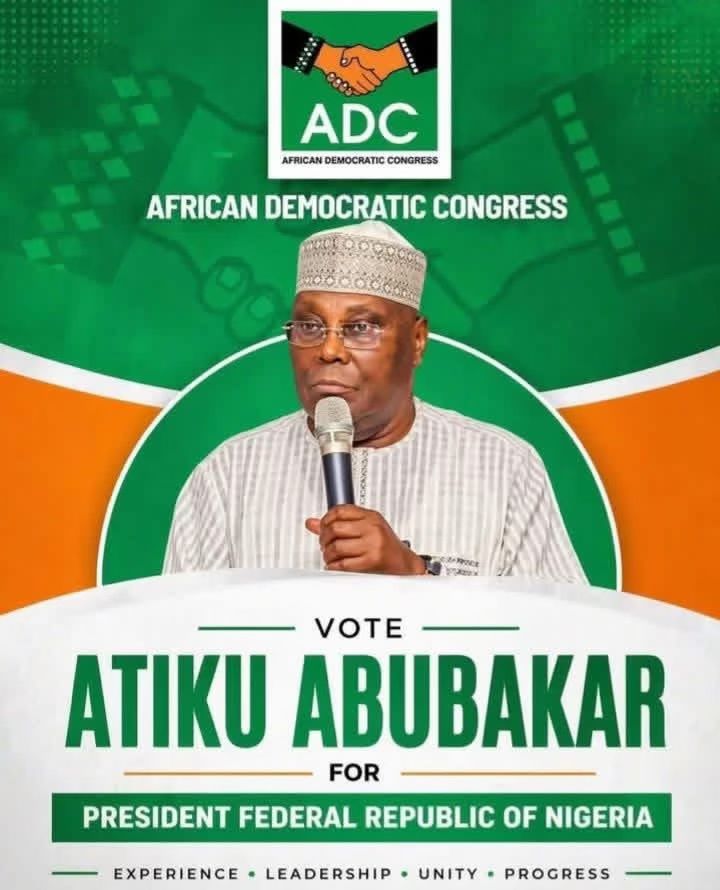
news Atiku Pledges Targeted Fuel Subsidy, Hails Warm Ondo ADC Reception
 news
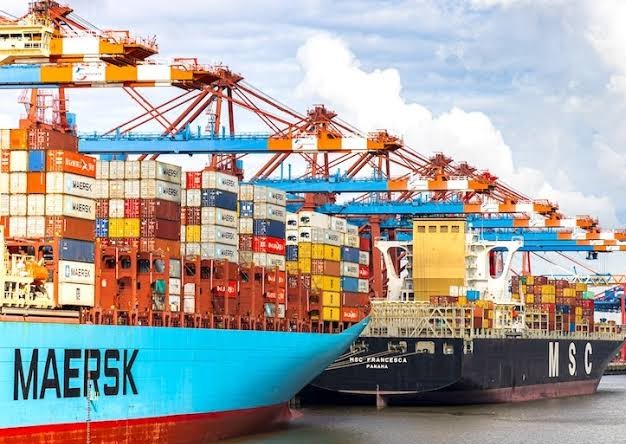
news Shipping Lines Hail US Lift of 12-Year Security Restriction on Nigerian Ports
 business
 Tinubu in Paris Backs $7bn Ogun Deep Seaport Deal with DP World for Jobs and Trade
How do you feel about this news?
Community Additions
Have a news tip, correction, or extra context about this story? Post it below instantly. All submissions appear live on this screen immediately.