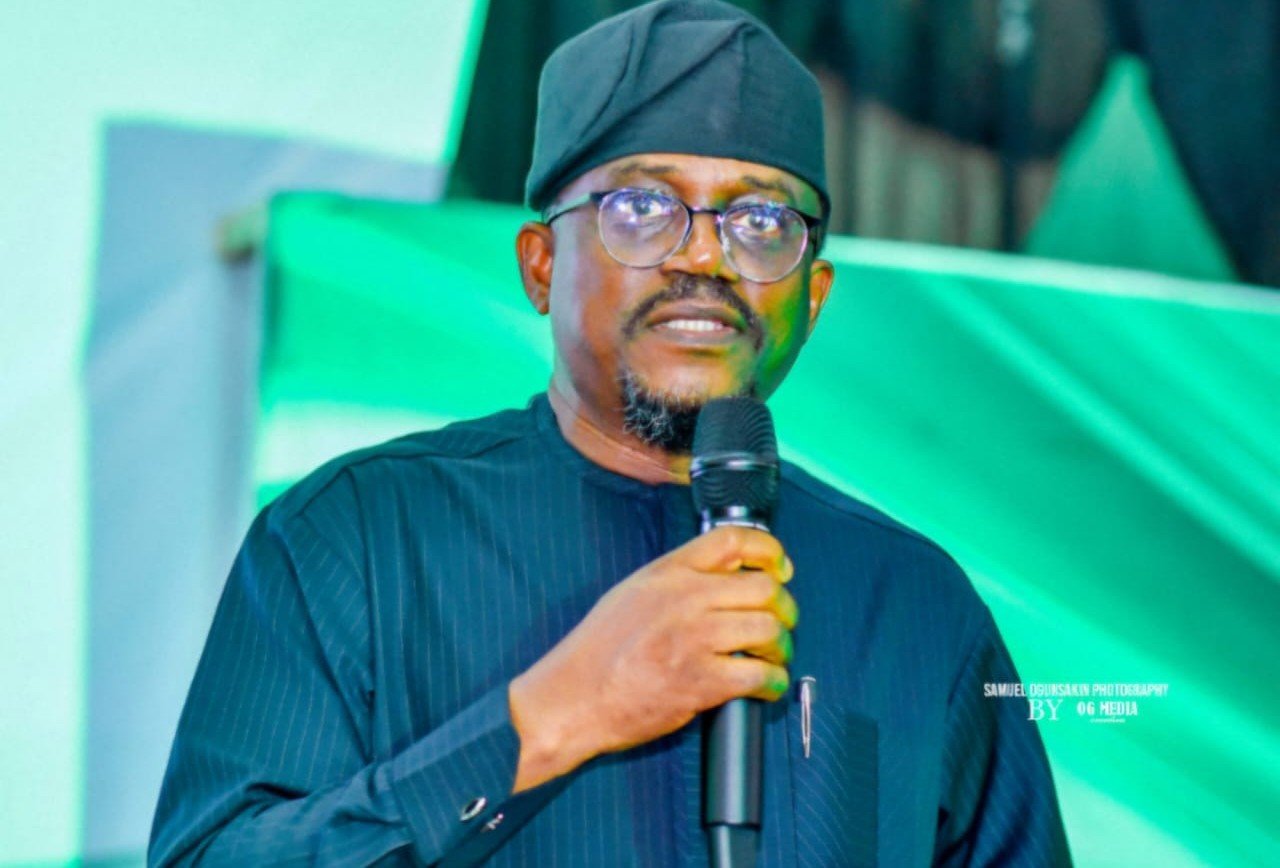
Build Careers First, Ex-NYSC DG Tells Nigerian Youths
Osogbo, Osun State – June 13, 2026 – In a political season charged with promises and patronage, a retired army general delivered a blunt, experience-backed message to Nigerian youths: build something real for yourselves before chasing politics as a lifeline.
Major General Johnson Bamidele Olawunmi (retd.), who served as Director-General of the National Youth Service Corps from 2014 to 2016, spoke on Wednesday at a campaign rally in Osogbo organised by Pelumi Olajengbesi, spokesperson for Governor Ademola Adeleke’s re-election bid.
His words cut through the noise of mobilisation and applause with quiet authority.
“Build credible careers first,” he told the gathering. “Don’t depend on politics for survival.”
Olawunmi did not discourage young people from politics. Instead, he argued that those who enter without a solid professional foundation often end up vulnerable, compromised, and ultimately adrift once the music stops.
“When politics is over, they return to their professions and continue to thrive,” he said, citing former Lagos Governor Babatunde Fashola, former Vice President Yemi Osinbajo, and former Ekiti Governor Kayode Fayemi as models. “That is why young people must first build something for themselves. Politics should not be your first source of identity or livelihood.”
The retired general was direct about the personal cost of political dependency: “If your survival depends entirely on politics, it becomes difficult to stand by your convictions. You become susceptible to pressure from political sponsors and power brokers. But when you have built your own career and earned your own income, you have the freedom to serve with integrity.”
He observed that politicians without independent professional achievements often struggle after leaving office, sometimes descending into constant controversies just to remain relevant.
Nigeria’s youth face a brutal reality. Official unemployment figures mask deeper underemployment, with millions of graduates and skilled young people chasing limited opportunities.
In this environment, politics often appears as the fastest route to status, contracts, or monthly stipends. Godfatherism thrives on this desperation, turning energetic youths into foot soldiers whose loyalty is rewarded with temporary access rather than lasting empowerment.
Olawunmi’s intervention at an active campaign rally carries extra weight. It came not from an academic or activist, but from a man who has led one of the country’s largest youth mobilisation platforms — the NYSC — and who understands both the idealism and the vulnerabilities of young Nigerians.
His advice reframes political participation: it should be an extension of competence and character, not a substitute for them.
Behind the headlines lies a quieter tragedy. Young men and women who pin their entire future on political connections often discover too late that loyalty is transactional. When the principal loses an election or falls out of favour, the follower is left with nothing — no skills, no network outside politics, and sometimes a damaged reputation.
Conversely, those who first master a trade, profession, or business carry an invisible armour. They can negotiate from strength, walk away from toxic deals, and continue contributing long after the campaign posters fade.
Olawunmi’s examples of Fashola, Osinbajo, and Fayemi are deliberate. These men built distinguished careers in law, academia, and governance before seeking elective office.
When their political seasons ended or paused, they remained relevant, respected, and economically independent.
As Osun prepares for its August 15 governorship election and the wider country looks toward 2027, Olawunmi’s counsel feels less like moralising and more like strategic wisdom.
A generation that enters politics already skilled, financially stable, and psychologically independent is far more likely to demand accountability and deliver results.
The general’s message is ultimately optimistic. It tells young Nigerians: your value is not determined by who you know in government. It is built in classrooms, workshops, offices, farms, and startups.
Politics, when entered from that position of strength, becomes service rather than survival.
In a nation where too many young dreams have been mortgaged to political promises, one retired soldier’s simple advice may prove more revolutionary than any campaign slogan: build first. Serve later. And never let politics own the only version of yourself you have.
 politics
 Adebayo Challenges Tinubu: Where Is Subsidy Money? Come Out and Account for It
 politics
 NDC Wins Logo Battle as Abuja Court Orders INEC to Use Modified Design
 news
news Atiku Exposes Tinubu’s FAAC Scam: Bigger Naira, Poorer Nigerians
 news
news Police Arrest Hafsat Abubakar Over Fake Fintech Shutdown Document Circulated Online
 politics
 Sowore Declares Peter Obi Yelwata Blockade Government-Sponsored Political Attack
How do you feel about this news?
Community Additions
Have a news tip, correction, or extra context about this story? Post it below instantly. All submissions appear live on this screen immediately.