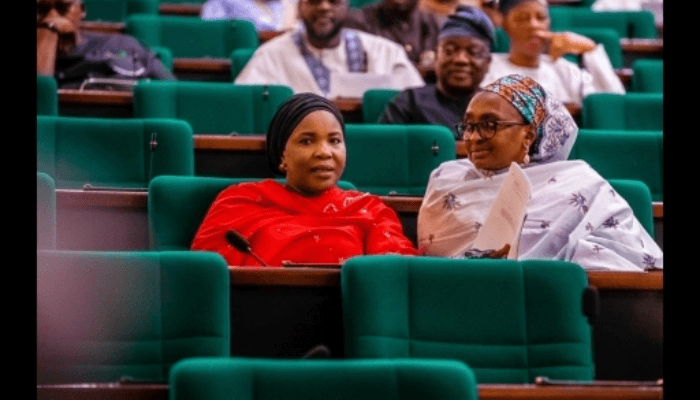
Constitutional Amendment Eyes Dozens of New Seats for Women Legislators
Lagos, Nigeria — In a significant move aimed at tackling one of Africa’s most glaring gender gaps in governance, Nigeria’s National Assembly is advancing a constitutional amendment that would create additional legislative seats reserved exclusively for women.
The proposal, detailed in a widely shared analysis by political commentator Imran Muhammad (@Imranmuhdz) on X (formerly Twitter), seeks to add 12 women senators, 37 women representatives, and three women per state House of Assembly through an innovative—and debated—Electoral College system.
This “Special Seats for Women Bill” (HB 1349), also known as the Reserved Seats Bill, represents a temporary special measure to boost female representation, which currently hovers below 5% in the National Assembly.
With women making up roughly half of Nigeria’s population but holding only about 4 out of 109 Senate seats and around 17 of 360 House seats in the 10th Assembly, advocates describe the bill as a long-overdue corrective step toward inclusive democracy.
The Core Provisions: Expanding the Legislature Without Displacement
According to the detailed breakdown shared in the X post, the amendments target key sections of the 1999 Constitution:
Senate (Section 48): Retains the existing three senators per state plus one from the FCT (109 total). Adds two additional women senators per each of the six geopolitical zones (total +12), elected via Electoral College with rotation among states in the zone. These special zonal seats would not follow standard delimitation rules. House of Representatives (Section 49): Keeps the 360 constituency-based seats. Adds one additional woman per state and the FCT (+37), also via Electoral College as special federal constituencies. State Houses of Assembly (Section 91): Maintains existing members. Adds three women per state (one from each senatorial district, total of +108 nationwide), elected through a similar state-level Electoral College.
A key innovation—and point of contention—is the indirect election via Electoral College, composed of elected local government officials, councilors, state assembly members, and national legislators from the state (or Area Councils for FCT).
This differs from direct popular voting for regular seats. Candidates must be women sponsored by political parties and meet standard qualifications.
Detailed procedures, including rotation, campaigns, petitions, and recalls (via the Electoral College itself), would be prescribed by an Act of the National Assembly.
The provisions include a 16-year sunset clause (four election cycles) for review, emphasizing their temporary nature.
Elected women would enjoy full rights, tenure, and privileges equivalent to other legislators. Consequential changes would update election timing, definitions, and INEC’s oversight.
Context and Momentum: Decades of Low Representation
Nigeria ranks near the bottom globally (around 177th out of 181 countries) in women’s parliamentary representation.
Structural barriers — including cultural norms, financial hurdles in politics, violence during elections, and party primaries that favor incumbents — have persisted despite commitments to gender equality under UN SDG 5 and AU Agenda 2063.
Previous attempts at gender quotas or reserved seats failed in earlier assemblies. This iteration, sponsored by figures including Deputy Speaker Benjamin Kalu and supported by groups like FIDA Nigeria, NILOWV, and women’s parliamentary caucuses, has gained traction amid the ongoing review of over 40 constitutional amendments.
Public hearings across zones have been held, and voting on the package (including state police and other reforms) is imminent or underway in the House.
Advocates, including women lawyers and civil society, argue it will enrich policymaking with diverse perspectives on issues like education, health, and family law, without displacing existing seats.
“This is not about taking from anyone; it’s about expanding the table,” supporters emphasize.
Criticisms and Concerns: Cost, Merit, and Implementation
Not everyone is convinced. Critics on X and elsewhere decry it as increasing the already high cost of governance in a nation grappling with economic challenges.
“Another reckless expenditure,” one user commented, warning of doubled costs and elite capture through the politician-heavy Electoral College.
Others question whether indirect elections undermine merit and direct accountability, potentially favoring connected insiders over grassroots women leaders.
“Why not focus on security, girls’ education, and removing barriers in open contests?” skeptics ask, fearing tokenism or permanent fixtures despite the sunset clause.
Implementation details—such as rotation mechanics, campaign financing, and ensuring transparency—remain to be fleshed out in the enabling Act, raising questions about potential loopholes or disputes.
Broader Implications for Nigerian Democracy
If passed by two-thirds majorities in both chambers of the National Assembly and approved by at least 24 state assemblies, the changes could take effect for the 2027 elections, dramatically lifting women’s numbers in legislatures.
This would align Nigeria more closely with peers like Rwanda (over 60% women in parliament via quotas) and signal a maturing federal democracy that values inclusion.
Yet success hinges on execution. True progress may also require complementary reforms: stronger party affirmative action (e.g., 35% in primaries), voter education, economic empowerment, and tackling insecurity that disproportionately affects women candidates.
As Nigeria navigates this pivotal moment, the bill tests the nation’s commitment to “no one left behind.” Whether it becomes a landmark for inclusive governance or another missed opportunity will shape the political landscape for years — and potentially generations — to come.
 politics
 Adebayo Challenges Tinubu: Where Is Subsidy Money? Come Out and Account for It
 politics
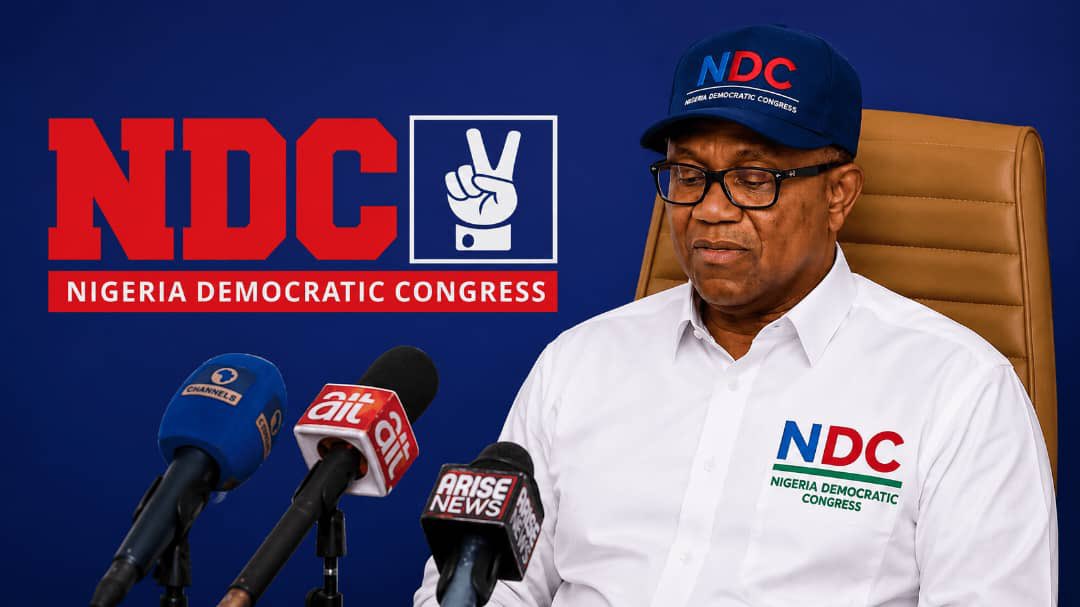
 NDC Wins Logo Battle as Abuja Court Orders INEC to Use Modified Design
 news
news Atiku Exposes Tinubu’s FAAC Scam: Bigger Naira, Poorer Nigerians
 news
news Police Arrest Hafsat Abubakar Over Fake Fintech Shutdown Document Circulated Online
 politics
 Sowore Declares Peter Obi Yelwata Blockade Government-Sponsored Political Attack
How do you feel about this news?
Community Additions
Have a news tip, correction, or extra context about this story? Post it below instantly. All submissions appear live on this screen immediately.