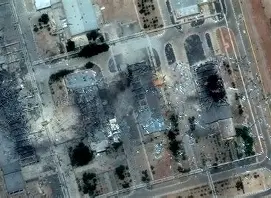
US Launches Fresh Self-Defense Strikes on Iran Amid Escalating Tensions
Tampa, Florida / Washington, June 10, 2026— In a significant escalation of hostilities in the Middle East, U.S. Central Command (CENTCOM) forces began launching additional self-defense strikes against multiple targets inside Iran this evening, acting on direct orders from the Commander in Chief.
The operation commenced at approximately 5:15 p.m. ET (around 00:45 Tehran time), according to CENTCOM’s official statement.
The strikes are described as a direct response to what the U.S. military characterizes as “Iran’s unwarranted and continued aggression.”
This latest round of U.S. action comes against the backdrop of an already volatile situation.
Recent days have seen Iran down a U.S. Army Apache helicopter near the Strait of Hormuz, an incident that prompted earlier American retaliatory strikes.
U.S. officials maintain that these operations are necessary to protect American forces, assets, and regional partners from ongoing Iranian threats, including missile and drone attacks.
CENTCOM has framed the strikes as “self-defense,” targeting military sites such as radar installations, air defence systems, and command-and-control infrastructure.
While full details of the targets and damage assessment remain limited at this stage, the strikes appear aimed at degrading Iran’s ability to project power and threaten U.S. and allied interests in the Gulf region.
For American service members patrolling tense waters far from home, these operations represent another night of high-stakes action in defence of what the Pentagon calls vital national interests.
Families back in the United States wait anxiously, hoping their loved ones return safely from missions that have become all too frequent.
On the Iranian side, civilians and military personnel alike brace for the impact.
Reports from Iranian sources and social media already speak of explosions near strategic areas, raising concerns about potential civilian casualties and damage to critical infrastructure—including, in some unconfirmed claims, facilities linked to water supplies.
In a region where ordinary people on all sides have grown weary of conflict, each new strike deepens the cycle of fear and retaliation.
President Trump and senior defence officials, including Secretary Pete Hegseth, have signaled that further action may follow if Iran does not change course, emphasizing a policy of strength and deterrence.
Broader Implications
The strikes risk unraveling fragile ceasefire efforts and could further destabilize global energy markets, given Iran’s strategic position along the Strait of Hormuz—a chokepoint for much of the world’s oil supply.
Regional allies and adversaries are closely watching, while diplomatic channels remain strained.
As night falls over the Gulf, the human realities remain stark: young pilots and sailors executing orders, families on edge, and a region once again sliding deeper into uncertainty.
CENTCOM has reiterated that U.S. forces remain vigilant and ready to defend against further threats.
This developing story is being closely monitored by governments, markets, and millions of people whose lives hang in the balance of decisions made far above their heads.
For now, the message from Washington is clear: aggression will be met with force.
 politics
 Adebayo Challenges Tinubu: Where Is Subsidy Money? Come Out and Account for It
 politics
 NDC Wins Logo Battle as Abuja Court Orders INEC to Use Modified Design
 news
news Atiku Exposes Tinubu’s FAAC Scam: Bigger Naira, Poorer Nigerians
 news
news Police Arrest Hafsat Abubakar Over Fake Fintech Shutdown Document Circulated Online
 politics
 Sowore Declares Peter Obi Yelwata Blockade Government-Sponsored Political Attack
How do you feel about this news?
Community Additions
Have a news tip, correction, or extra context about this story? Post it below instantly. All submissions appear live on this screen immediately.