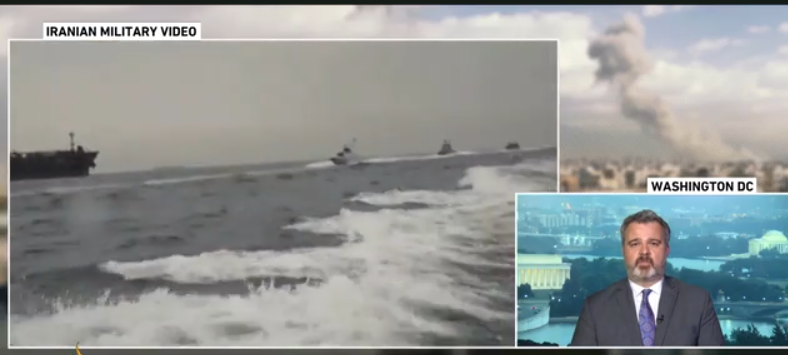
Iran Tightens Grip, Demands Costly Concessions Before Peace
As diplomatic efforts intensify to end the escalating conflict involving the United States, Iran, Israel, and Lebanon, Tehran appears increasingly convinced that it now holds significant leverage at the negotiating table.
That assessment was reinforced by Jason Campbell, a senior fellow at the Middle East Institute in Washington, D.C., who argued that Iran’s perception of strength is no longer merely political rhetoric but a reflection of the current realities shaping negotiations.
According to Campbell, “Iran believes it has the upper hand” in discussions aimed at securing a broader settlement to the conflict.
He suggested that Tehran sees itself as negotiating from a position of strength after months of regional turmoil that have disrupted energy markets, heightened military tensions, and drawn global powers deeper into the Middle East crisis.
One of Iran’s most controversial demands centers on the strategically vital Strait of Hormuz, a maritime corridor through which a substantial portion of the world’s oil supply passes.
Tehran is reportedly insisting on receiving compensation or economic concessions before fully reopening the waterway, which has become a focal point of international concern due to its impact on global energy security.
Analysts have repeatedly warned that any prolonged disruption in the Strait could trigger sharp increases in oil prices and renewed economic uncertainty worldwide.
“It’s being very adamant that it receive some form of payment for reopening the Strait of Hormuz, even as a pre-condition,” Campbell said.
Beyond economic demands, Iran is also pushing for major political and military concessions involving Israel and Lebanon.
Campbell disclosed that Tehran wants Washington to pressure Israel into accepting what it considers a genuine and lasting ceasefire in Lebanon.
“It is also adamant that the United States find a way to coerce Israel into a true ceasefire in Lebanon,” Campbell noted.
The demand comes at a particularly delicate moment.
Recent ceasefire initiatives in Lebanon have faced significant obstacles, with ongoing disagreements over the withdrawal of Israeli forces from southern Lebanon and the future security arrangements in the region.
Reports indicate that Israeli military operations and the presence of troops in parts of southern Lebanon remain major sticking points in negotiations.
Campbell further suggested that Tehran may go even further by insisting on the removal of Israeli forces from southern Lebanon as part of any comprehensive settlement.
The developments underscore how fragile the current diplomatic process remains.
While Washington continues to pursue negotiations, several analysts caution that both sides appear convinced that time is working in their favor, making compromise increasingly difficult.
The resulting standoff threatens to prolong instability across the region, with implications extending far beyond the Middle East.
For now, Iran’s strategy appears clear: leverage its influence over critical regional flashpoints to extract substantial political, military, and economic concessions before agreeing to any lasting peace arrangement.
Whether the United States and its allies are prepared to meet those demands could determine the future trajectory of one of the world’s most volatile geopolitical crises.
 politics
 Adebayo Challenges Tinubu: Where Is Subsidy Money? Come Out and Account for It
 politics
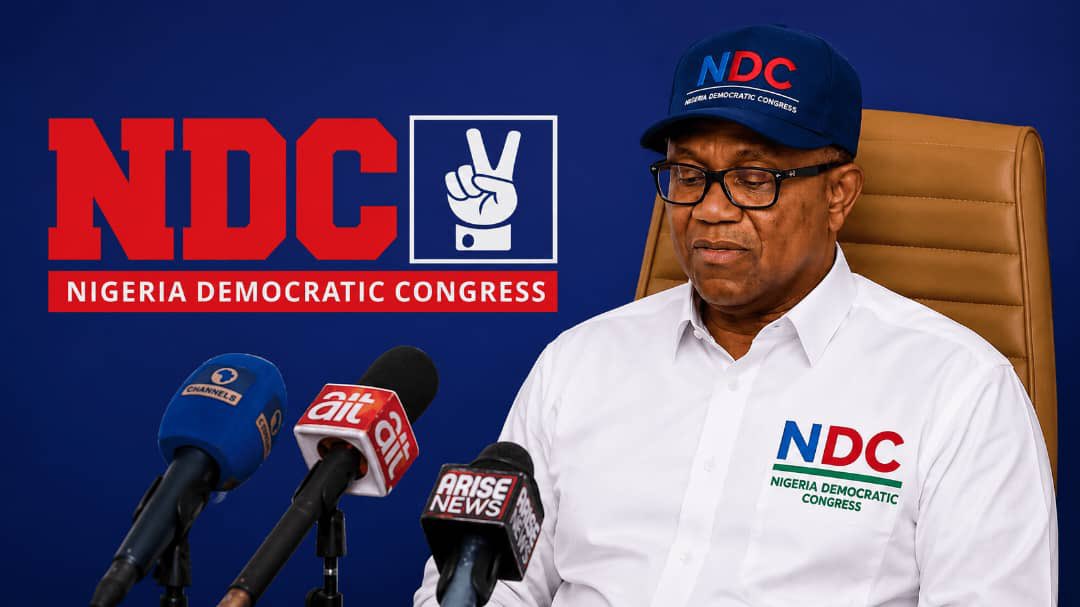
 NDC Wins Logo Battle as Abuja Court Orders INEC to Use Modified Design
 news
news Atiku Exposes Tinubu’s FAAC Scam: Bigger Naira, Poorer Nigerians
 news
news Police Arrest Hafsat Abubakar Over Fake Fintech Shutdown Document Circulated Online
 politics
 Sowore Declares Peter Obi Yelwata Blockade Government-Sponsored Political Attack
How do you feel about this news?
Community Additions
Have a news tip, correction, or extra context about this story? Post it below instantly. All submissions appear live on this screen immediately.