
2027 Elections: INEC, NSA, IGP Declare War On Campaign Violence
INEC Chairman Joash Amupitan, NSA Nuhu Ribadu, IGP Tunji Disu pledge united security for Jan 16 and Feb 6 2027 elections, warn against violence in Lagos, Edo, Oyo, Benue
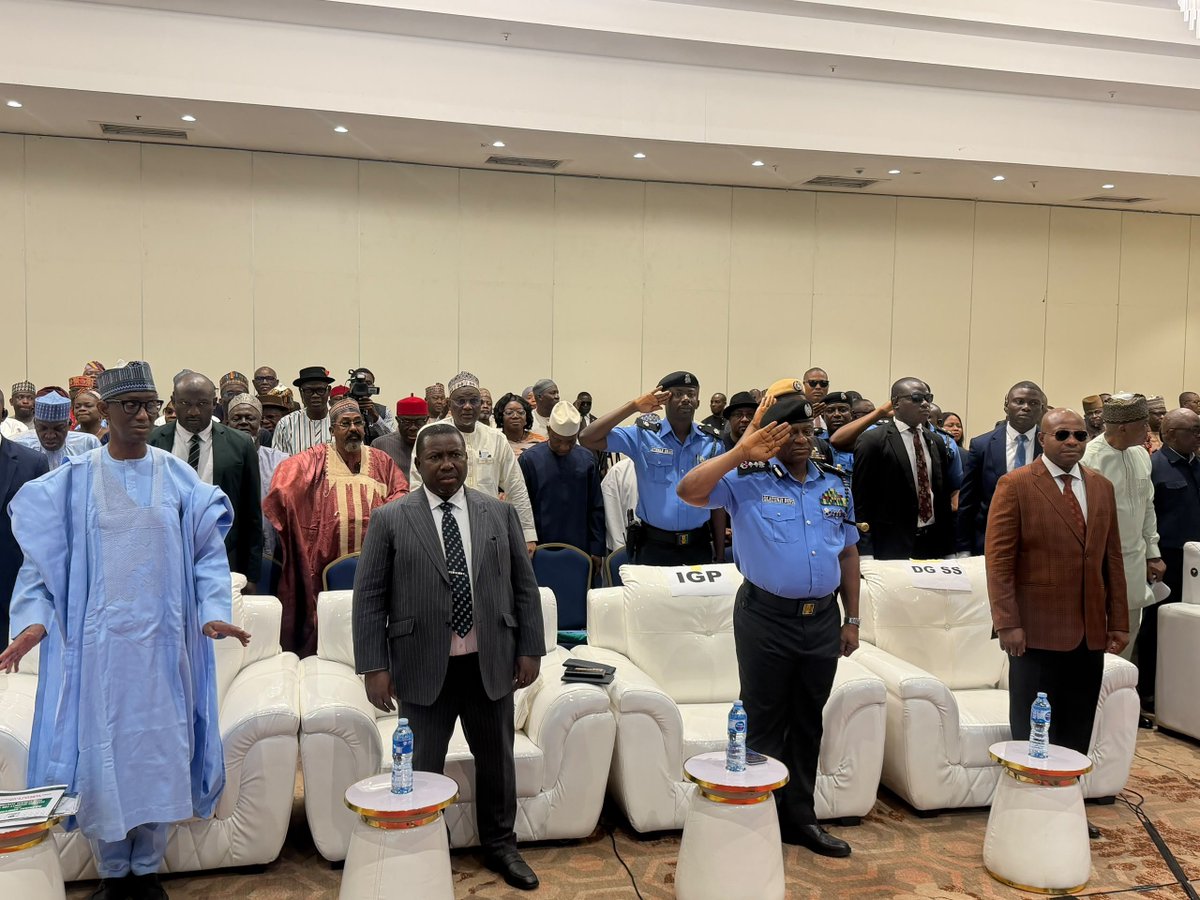
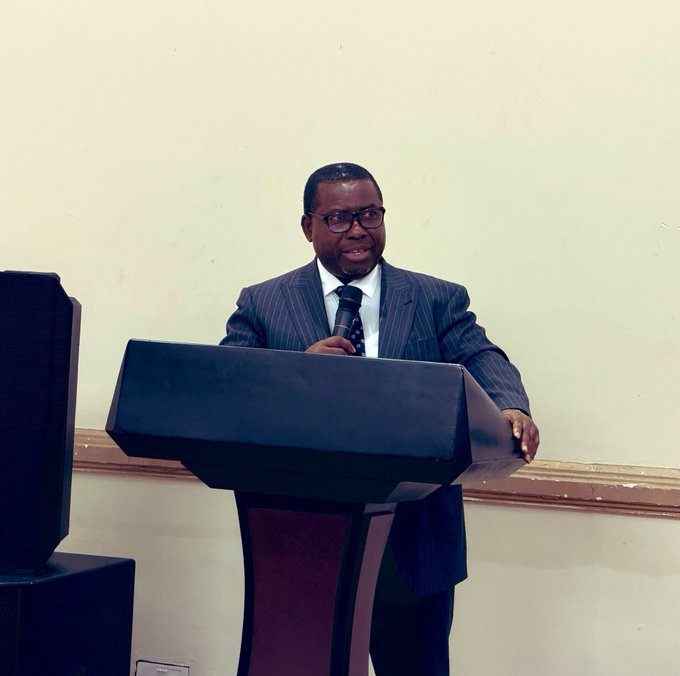
Abuja | November 26, 2026—With just 51 days to the 2027 General Election, the Chairman of the Independent National Electoral Commission, INEC, Prof. Joash Amupitan, SAN, the National Security Adviser, NSA, Mallam Nuhu Ribadu, and the Inspector-General of Police, Tunji Disu, on Thursday, November 26, 2026, pledged a united, impartial, and proactive front to crush election violence.
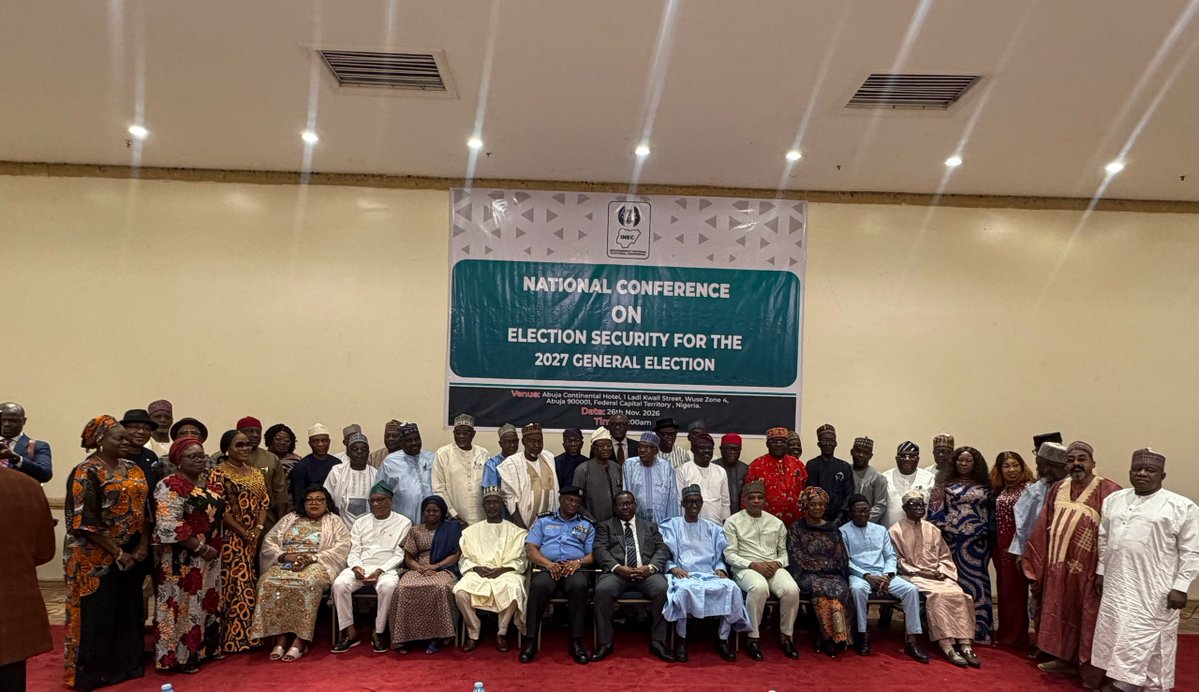
The trio spoke in Abuja at the INEC–Office of the National Security Adviser, ONSA, Strategic Election Security Conference, attended by heads of the armed forces, intelligence, paramilitary, and law enforcement agencies, alongside National Commissioners and Resident Electoral Commissioners from the 36 states and FCT.
Prof. Amupitan declared the conference “an operational war-room” and “not a ceremonial gathering,” meant to audit emerging threats and sharpen inter-agency coordination.
He confirmed the Presidential and National Assembly elections hold Saturday, January 16, 2027, followed by Governorship and State Houses of Assembly polls on Saturday, February 6, 2027.
“INEC manages the ballot; security agencies secure the environment that makes the ballot possible,” he said, stressing electoral administration and national security are inseparable.
No Ambition Worth Blood
Amupitan condemned escalating intolerance and attacks on campaign convoys, party offices and supporters since campaigns opened in August 2026, listing Lagos, Edo, Ekiti, Enugu, Ebonyi, Delta, Cross River, Oyo and Benue.
“No political ambition is worth the blood of a single Nigerian,” he warned, also condemning harassment of INEC staff and ad-hoc workers as “non-partisan public servants” on sacred constitutional duty. “We will neither be intimidated nor blackmailed into compromising our neutrality.”
He blamed party leaders for candidates and youth wings, calling Abuja peace accords amid state thuggery “a contradiction our democracy can no longer afford.”
Violence, he warned, could suppress turnout, endanger deployment of 1.41 million ad-hoc personnel, 57,000 new BVAS machines for 103.43 million voters, and destabilise West Africa.
Beyond thuggery, he flagged insurgency, banditry, separatist agitation, cultism, deepfakes, voice cloning and disinformation, demanding cyber resilience and rapid counter-disinformation as frontline security.
He urged RECs and Commissioners of Police to work as “co-pilots,” pushing ICCES coordination to LGAs and Registration Areas where DPOs, DSS, NSCDC and Electoral Officers must “know one another by name.”
Five-Fold Punishment, Zero Tolerance
On deterrence, he cited Electoral Act 2026: up to N5 million or 12 months’ jail for individuals, N10 million for parties, with INEC empowered under Section 148 to prosecute on police files. He urged swift arrests and mock accreditation security for November 28.
Ribadu assured Tinubu’s commitment to peaceful credible polls, while Disu declared zero tolerance: “Those who sponsor, finance or direct political violence will be treated with the same seriousness as those who carry them out.” Parties will sign a Joint Peace Undertaking.
Community Additions
Have a news tip, correction, or extra context about this story? Post it below. Submissions appear here straight away.