
Jega Blames Incumbent for Rising Political Violence
Veteran analyst says denial of rally grounds and abuse of power by state authorities fuel tension ahead of 2027 polls.
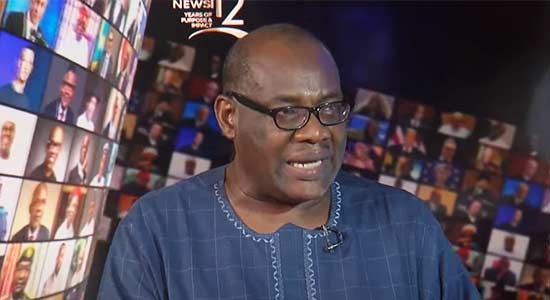
Abuja, Nigeria—November 20, 2026—Political analyst and ARISE News contributor Mahmud Jega has attributed the surge in political violence across Nigeria to the actions of the incumbent government, particularly the abuse of power by state and local authorities.
Speaking on ARISE News’ Primetime programme under the topic “Political Violence and the Future of Nigeria’s Democracy,” Jega argued that the root of the current wave of violence lies in the misuse of official power.
“The beginning of these violence is the abuse of the incumbent power by state and local authorities,” he said. “It is violence when a state government denies opposition parties access to stadiums and rally grounds. Things like this will enrage supporters of those candidates.”
Jega, a former Chairman of the Editorial Board of Daily Trust, emphasized that such restrictions do not only limit free political expression but also create the conditions for supporters to respond with anger and confrontation.
His comments come against the backdrop of heightened political tension as Nigeria edges closer to the 2027 general elections.
In recent weeks, several incidents of violence have been reported, including attacks on campaign convoys, disruptions of political gatherings, and clashes that have left people dead or injured in different parts of the country.
The Senate has already directed security agencies to investigate the sponsors of political violence and prosecute those found culpable.
Civil society groups and former leaders have also expressed concern that the rising intolerance and thuggery threaten the credibility of the forthcoming polls.
Jega’s intervention adds to the growing conversation about the responsibility of those in power to ensure a level playing field.
By framing the denial of access to public venues as a form of violence in itself, he has shifted attention from street-level clashes to the deeper structural issues that, in his view, provoke them.
As campaign activities intensify, the analyst’s warning underscores a simple but critical point: when the rules of engagement appear uneven, the risk of violence rises.
How political actors and security agencies respond in the coming weeks will go a long way in determining whether Nigeria’s democracy can withstand the current pressures.
Community Additions
Have a news tip, correction, or extra context about this story? Post it below. Submissions appear here straight away.