
EFCC Partners FEDLAC to Strengthen Corruption Case Prosecution Skills
Commission concludes intensive capacity-building programme for senior officers focused on evidence handling and courtroom success.
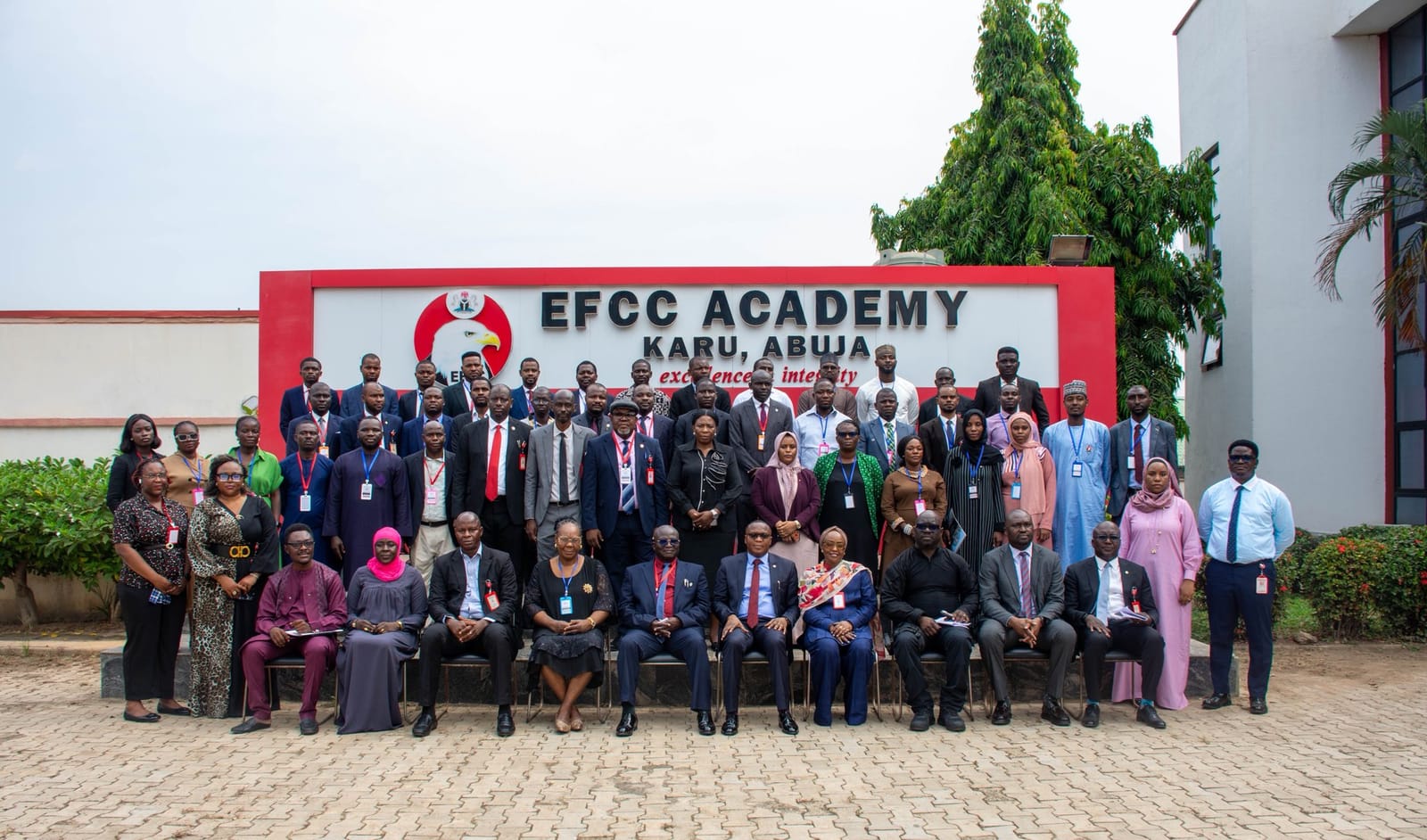
Abuja, Nigeria—November 9, 2026—The Economic and Financial Crimes Commission (EFCC) and the Forensic Electronic and Digital Law Consultancy (FEDLAC) have concluded a collaborative capacity-building programme aimed at enhancing the successful prosecution of economic and financial crime cases.
The programme, themed “From the Crime Scene to the Courtroom: Strengthening the Fight Against Economic and Financial Crimes,” ran in two cohorts of three days each between Monday, November 2, and Saturday, November 7, 2026, at the EFCC Academy in Karu, Abuja.
Emphasis on Strong Investigation and Evidence
Executive Chairman of the EFCC, Mr. Ola Olukoyede, described the training as speaking directly to effective law enforcement. Represented by the Acting Commandant of the EFCC Academy, Assistant Commander of EFCC (ACE 1) Joseph Ogwiji, the Chairman stressed that successful prosecution begins with a properly conducted investigation.
“Evidence must be identified with facts before you; it must be collected, analyzed, preserved, and presented in a manner that meets legal and professional standards,” he said.
Olukoyede warned that any gap left open in the processes leading to diligent prosecution, including witness error, could jeopardize the chance of winning even a strong case.
This, he noted, was the reason for the collaboration with FEDLAC to hone the skills of the Commission’s officers.
FEDLAC Hails Continuous Investment in Capacity
Chief Executive Officer of FEDLAC and lead facilitator of the programme, Professor Alaba Omolaye-Ajileye (retd), praised Olukoyede and the management of the EFCC for their determined efforts to continuously invest in the development of the Commission’s workforce.
According to him, the anticipated benefits of the training are substantial. They include stronger case building, better preservation and presentation of evidence, closer coordination between investigators and prosecutors, and greater capacity to address increasingly sophisticated financial crimes.
These improvements, he said, can support more effective prosecution, lawful recovery of stolen assets, and greater public confidence in the work of the Commission.
Broad Range of Courses Covered
Participants were drawn from the various Zonal Directorates across Nigeria and the Headquarters. The courses covered forensic investigation, forensic document examination and analysis in financial crime, overcoming the challenges of successful public prosecution of economic and financial crimes, effective prosecution of financial crime cases, coordination between investigators and prosecutors in case building, sources and management of criminal intelligence, emerging trends in financial crimes, and principles and practice of electronic and digital evidence.
Olukoyede appreciated FEDLAC for organizing the programme and its continued support for professional capacity development within the Commission.
Participants were encouraged to actively engage in the sessions, share experiences, and apply the knowledge acquired to their professional responsibilities in the ongoing fight against economic and financial crimes.
The collaboration underscores the EFCC’s commitment under Olukoyede’s leadership to continuously upgrade the skills of its officers as financial crimes become more complex and technology-driven.
By bridging the gap between crime scene investigation and courtroom presentation, the Commission aims to improve conviction rates and strengthen public trust in anti-corruption efforts.
This report is based on the official statement released by the Economic and Financial Crimes Commission on November 9, 2026.
Community Additions
Have a news tip, correction, or extra context about this story? Post it below. Submissions appear here straight away.