
EFCC Chairman Olukoyede Bags National Icon of Anti-Corruption Award
Anti-graft boss honoured for leadership in integrity, youth protection, and financial crime prevention at National Youth Day event in Abuja.
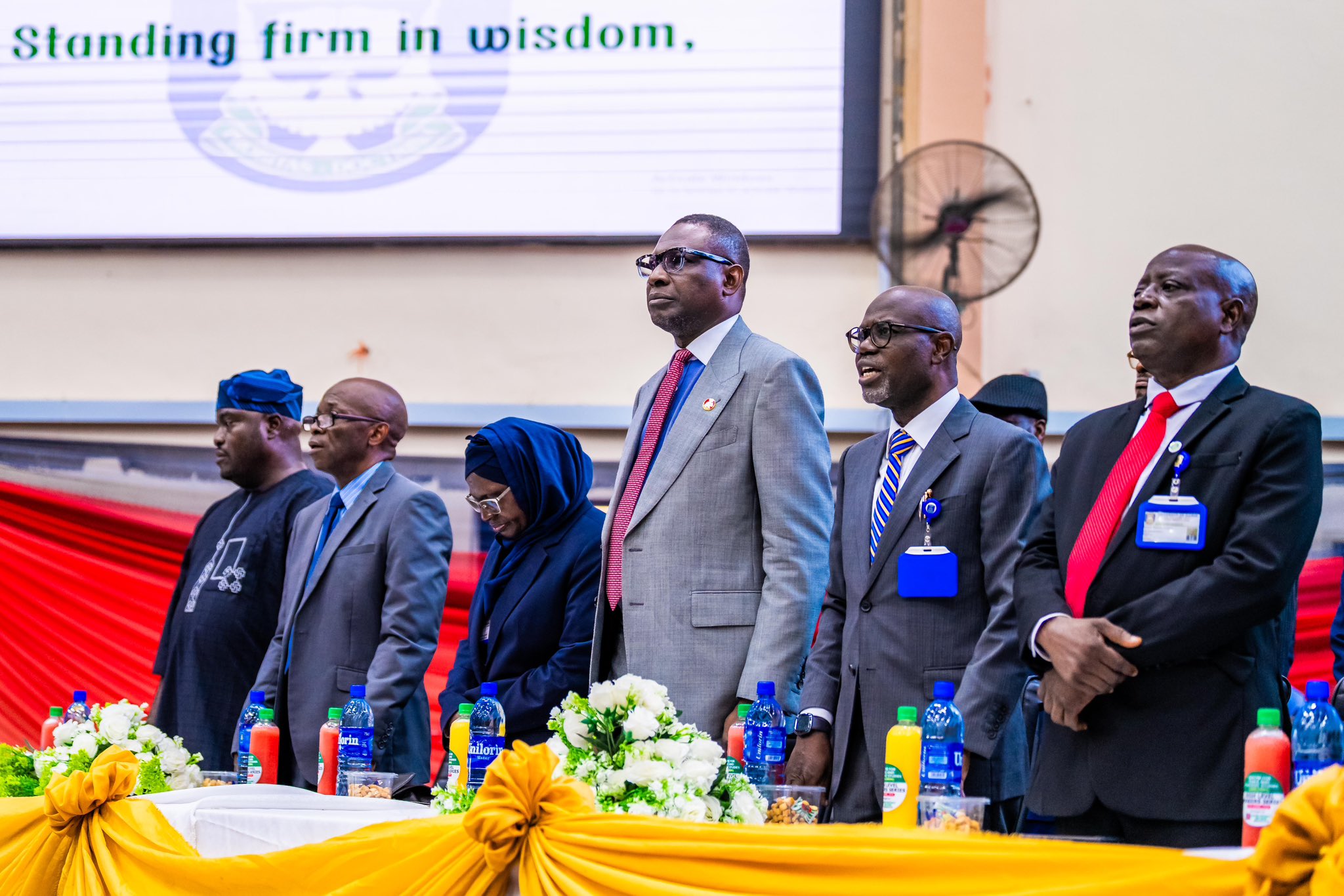
Abuja, Nigeria—November 6, 2026—The Executive Chairman of the Economic and Financial Crimes Commission (EFCC), Ola Olukoyede, has been conferred with the National Honorary Award as Nigeria’s Icon of Anti-corruption, Financial Integrity, Economic Development, and Youth Empowerment.
The prestigious honour was presented on Tuesday, November 3, 2026, during the National Youth Day organized by the Patriotic Nigeria Youth Forum in Abuja.
The event carried the theme “Reimaging the Nigerian Youth: Leadership, Innovation, and a Greater Nation.”
Convener and National Coordinator of the Forum, Comrade Olamide Odumosu, explained that the programme was designed as a call to action, a moment of national reflection, and a renewed commitment to building a Nigeria that invests meaningfully in its young people.
He stressed that celebrating the potential of youths without creating real opportunities for them to fulfill that potential is no longer enough.
“Young people are not only the leaders of tomorrow; they are leaders, innovators, entrepreneurs, and nation builders of today,” Odumosu said.
Olukoyede was specifically recognized for his steadfast leadership in promoting integrity, protecting young people from crime, and advancing initiatives that empower Nigerian youths.
Keynote Address on Youth and Integrity
Represented by the Head of the Enlightenment and Reorientation Unit, Assistant Commander of the EFCC ACE II Aisha Mohammed, Olukoyede delivered a keynote address titled “Nigerian Youth and the Fight Against Economic and Financial Crimes: Building a Culture of Integrity for National Development.”
He described the Nigerian youth population as the nation’s most potent demographic force, noting that more than 70 percent of the population is under the age of 35.
This, he said, makes young people Nigeria’s greatest asset—or its greatest liability if their energy is not channelled into integrity and productivity.
Olukoyede revealed a troubling statistic: in the last 12 months alone, over 75 per cent of convictions for internet-related fraud recorded by the EFCC involved persons between the ages of 18 and 35.
He painted a vivid picture of the problem—undergraduates who should be coding for innovation instead coding for fraud, young women used as account mules, and youths creating fake investment apps and vendor platforms and engaging in sextortion and romance scams.
“This is not the Nigerian youth we are proud of,” he said. “But I am not here to condemn. I am here to call you to action, because the same youth population that is vulnerable to crime is also the most powerful weapon against corruption.”
He urged young people to take ownership of the fight against economic and financial crimes, stressing that the future of Nigeria rests in their hands.
He called on them to equip themselves with financial intelligence so they do not fall victim to scams and the get-rich-quick syndrome.
Olukoyede emphasized that today’s economic and financial crimes are largely cyber-enabled, and young people who dominate the digital space are best positioned to detect, report, and reject online fraud.
He outlined the EFCC’s strategic shift from pure enforcement to prevention, built on four pillars: reorientation of values, financial literacy and responsibility, consequences and accountability, and partnership and reward.
“The EFCC cannot do it alone,” he charged*. “Decide to be the example. Decide to be informed. Decide to be a whistleblower, not a spectator.”*
Call for National Unity
Also speaking at the event, a representative of the Minister of Youth Development, Ngozi Icheke Ofurum, reminded participants that national development is not built solely in Aso Rock but in the daily decisions of 220 million Nigerians.
She challenged youths to rise above ethnic differences and use their talents and energy to promote peace and development.
The award and the accompanying messages underscore a growing recognition of the EFCC’s dual approach under Olukoyede’s leadership—firm enforcement against financial crimes combined with deliberate efforts to reorient and empower the next generation of Nigerians.
This report is based on the official statement released by the Economic and Financial Crimes Commission on November 6, 2026.
Community Additions
Have a news tip, correction, or extra context about this story? Post it below. Submissions appear here straight away.