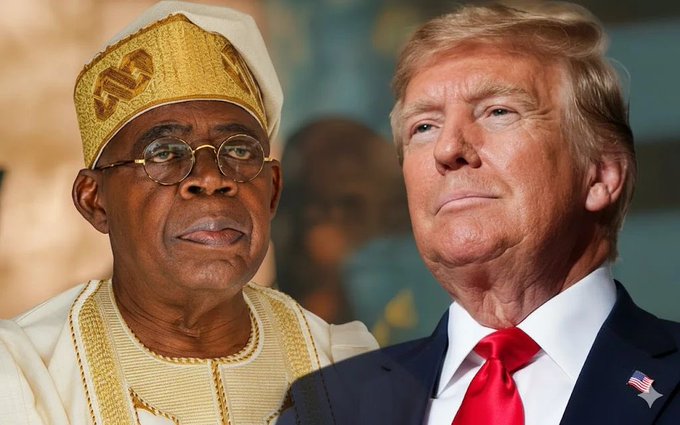
Trump Warns US Investors of Corruption and Insecurity Risks in Tinubu’s Nigeria
Abuja/Washington—October 10, 2026—The United States Department of State has issued a stark caution to American businesses considering investment in Nigeria, citing persistent insecurity, systemic corruption, inefficient ports, and regulatory uncertainty as significant obstacles under President Bola Tinubu’s administration.
The warning appears in the department’s newly released **2026 Investment Climate Statements on Nigeria**, which assesses the country’s business environment under the Trump administration.
While the report acknowledges early signs of macroeconomic stabilization following “painful but necessary” structural reforms—including the removal of fuel subsidies and liberalization of the foreign exchange market—it stresses that these gains have come with heavy social costs and lingering risks for foreign investors.
Security Remains the Biggest Red Flag
The report identifies the security environment as “a primary variable which gives pause to potential investors.” Although attacks on oil infrastructure in the Niger Delta have declined, oil theft and illegal bunkering continue to plague the sector.
In northern Nigeria, the expansion of terrorist groups and armed bandits is degrading the climate for agribusiness, mining, and other commercial activities.
These challenges, the document notes, continue to undermine confidence even as some economic indicators have improved.
Corruption, Ports, and Regulatory Friction
Corruption is flagged as a systemic barrier, particularly in port operations where customs delays and administrative bottlenecks create hidden costs that erode competitiveness.
Nigeria’s seaports remain a major constraint for businesses reliant on imported goods and equipment, though the report notes progress at the Lekki Deep Seaport, which handled $9.6 billion in trade in 2025 while operating at only 50 percent capacity.
Of particular concern to American executives is the risk of detention or coercive exit bans during regulatory disputes.
The report cites the nearly eight-month detention in 2024 of U.S. citizen and Binance executive Tigran Gambaryan as a cautionary example of “aggressive regulatory friction.”
“Furthermore, the use of coercive exit bans and detentions… serves as a cautionary note for foreign executives regarding the risks of aggressive regulatory friction,” the statement reads.
Mixed Picture on Reforms
The Tinubu government’s reforms initially triggered significant economic volatility. By early 2026, however, some indicators pointed toward stabilization, including stronger foreign reserves in certain periods.
Yet the State Department emphasizes that insecurity, policy unpredictability, and weak public services continue to weigh on long-term investment decisions.
Nigeria remains an important partner for the United States in Africa, with bilateral trade and investment figures showing growth in recent years. Still, the report makes clear that American firms must carefully weigh the risks before committing capital.
Implications for Nigeria’s Investment Drive
The assessment lands at a sensitive moment as the Tinubu administration seeks to attract more foreign direct investment to support economic recovery and job creation.
Analysts say such warnings from a major power like the United States can influence investor perception, insurance costs, and the willingness of executives to travel or expand operations in the country.
As the full details of the 2026 Investment Climate Statement circulate, Nigerian officials are expected to respond by highlighting ongoing security operations, anti-corruption efforts, and infrastructure upgrades.
For now, the message from Washington is unambiguous: while opportunities exist, the risks remain real and material for American businesses.
 news
Court Jails Former Banker 39 Years Over N2.7bn Fraud Case
 news
Sowore Accuses ARISE TV of False Report on Court Hearing with DSS
 news
Sowore Accuses ARISE TV of False Report on Court Hearing with DSS
 sport
Manchester United Back Carrick with More Time Despite Mounting Pressure, Poor Form
 technology
MTN Insists “We’re Not Stealing Your Data” as Furious Customers Cry Foul Over Sudden Vanish
How do you feel about this news?
Community Additions
Have a news tip, correction, or extra context about this story? Post it below instantly. All submissions appear live on this screen immediately.