Presidency Brands Economist’s Tinubu Hate Claim Intellectual Fraud as Reforms Push On
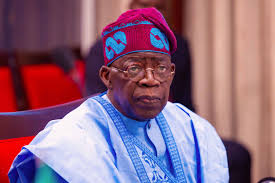
Abuja, Nigeria—October 6, 2026—The Presidency on Tuesday delivered a sharp rebuttal to *The Economist*, dismissing the British magazine’s assertion that Nigerians largely dislike President Bola Ahmed Tinubu as “intellectual fraud” and “condescension” from distant observers.
In a detailed State House statement titled “Beyond the Economist Condescension: Nigeria’s Re-Engineering Under Tinubu is Unstoppable,” Special Adviser on Media and Public Communications, Sunday Dare, accused the publication of recycling “lazy, hollow fiction” that packages temporary reform pains into a blanket story of national rejection.
The Economist had published an analysis on October 1 arguing that while many Nigerians are frustrated by economic hardship and insecurity, complicated electoral dynamics—including a fragmented opposition, incumbency advantage, and voter cynicism—could still favour Tinubu’s re-election in the January 2027 presidential poll.
Dare pushed back hard. He described external commentary from “comfortable, insulated drawing rooms” as routinely viewing Nigeria through a “cracked, distorted lens” and trafficking in sensationalist half-truths.
The claim that Nigerians hate their president, he said, completely overlooks the “monumental, Herculean task of national salvage” begun in May 2023.
The Inheritance and the Hard Choices
According to the statement, Tinubu inherited an economy on the brink: a decades-old fuel subsidy regime that drained trillions, multiple distorted foreign-exchange windows that bred corruption, debt service-to-revenue ratios near 95 percent, and crumbling infrastructure.
Rather than delay difficult decisions, the administration removed the fuel subsidy on Day One and rationalized the forex market.
Dare argued these moves stopped the fiscal bleeding, saved the federation trillions of naira, boosted foreign portfolio investment, improved trade surpluses, and rebuilt external reserves—signals of renewed international confidence.
He also highlighted the Nigerian Education Loan Fund (NELFUND), which has enabled hundreds of thousands of students from low-income families to access higher education, along with local government financial autonomy, a higher national minimum wage, CNG mass-transit buses, fertilizer distributions, agro-loans, and modern farming equipment aimed at food security.
Everyday Gains Versus Distant Narratives
“The notion that millions of Nigerians harbor blind hatred for President Tinubu collapses when you meet everyday reality,” Dare wrote.
He pointed to students and parents benefiting from education loans, public servants with improved take-home pay, local government chairmen with direct funding, and farmers receiving targeted support.
While acknowledging ongoing security challenges and global economic headwinds, the statement insisted that reducing Nigeria to a caricature of helpless misery does a disservice to the truth.
Tinubu, Dare concluded, remains a “master strategist” whose bold policies have placed the country on an irreversible path toward sustainable growth, fiscal independence, and prosperity.
The strong presidential response comes three months before the next general election and amid continuing public debate over the cost of living and security.
Supporters of the administration see the reforms as necessary corrective surgery; critics continue to argue that the benefits have yet to reach enough ordinary citizens.
For now, the Presidency’s message is clear: the re-engineering of Nigeria under Tinubu is not only underway—it is, in their view, unstoppable.
 world
world Hegseth Declares Commanders Back in Charge with Major IG Reforms Across War Department
 news
news Suspected Cattle Rustlers Injure Youth in Isolated Bokkos Attack as Plateau Troops Respond
 world
world Trump Credits US Forces as Dozens of Iranian Terror Leaders Sent Straight to Hell
 politics
 Sowore Demands ₦500,000 Wage for INEC Staff, Threatens 2027 Election Boycott
 politics
 Peter Obi Visits NAF Facility in Abuja to Mourn Crash Victims After Deadly Ondo Air Disaster
How do you feel about this news?
Community Additions
Have a news tip, correction, or extra context about this story? Post it below instantly. All submissions appear live on this screen immediately.