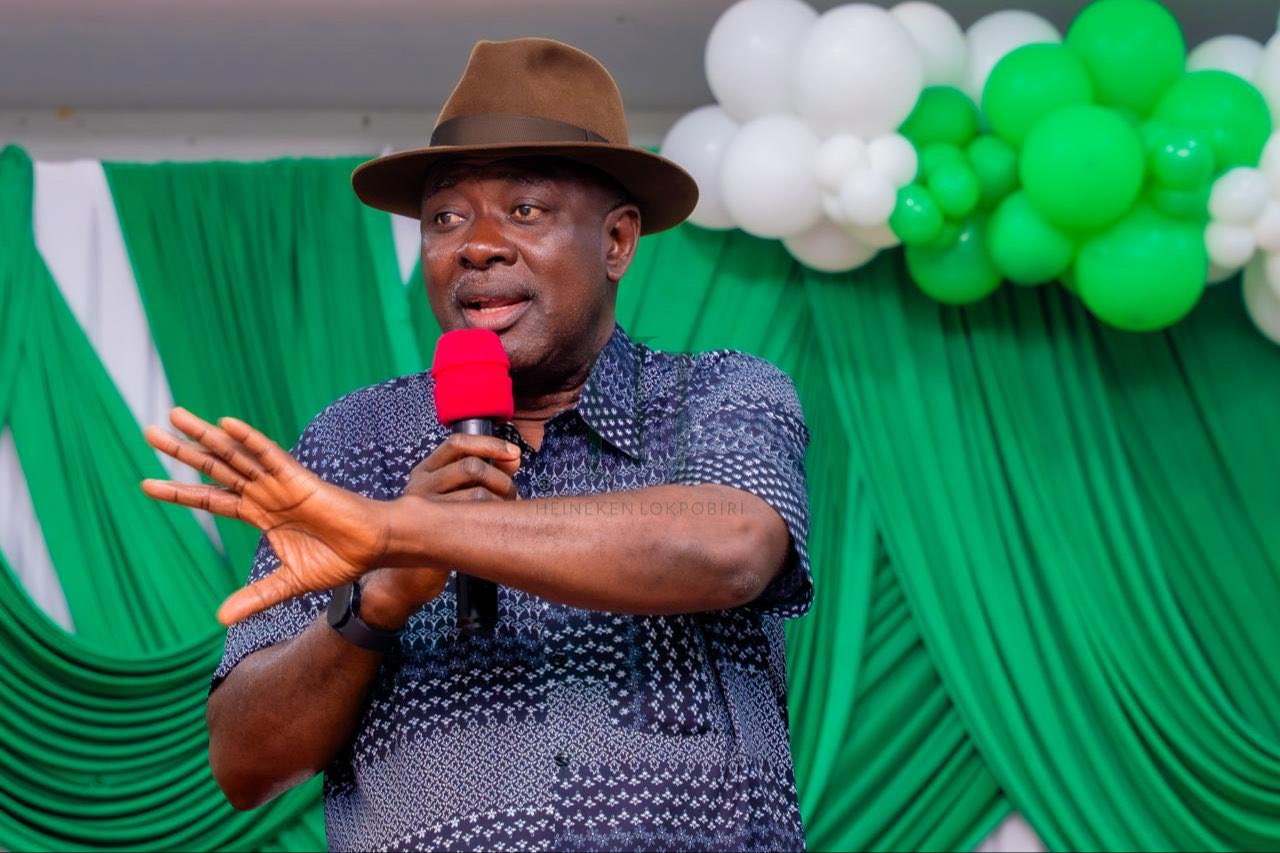
Lokpobiri Hits Back at Atiku, Obi: Subsidy Removal Saved Nigeria from Collapse
Abuja, Nigeria—October 3, 2026—Nigeria’s Minister of State for Petroleum Resources (Oil), Senator Heineken Lokpobiri, has delivered a robust defence of the fuel subsidy removal, directly responding to criticisms from former Vice President Atiku Abubakar and Peter Obi while urging a shift in public focus.
In remarks widely shared by Presidential Special Adviser Bayo Onanuga, Lokpobiri laid out the stark financial reality the Tinubu administration inherited.
Citing figures previously presented by former Finance Minister Zainab Ahmed, he noted that the government was projected to spend about ₦18.4 billion every day on fuel subsidy payments—roughly $15 billion annually, or about ₦21 trillion at an exchange rate of ₦1,400 to the dollar.
“Where would the money come from?” Lokpobiri asked. “The money is expected to come from the same oil sector.”
NNPC’s Transformation and Fiscal Reality
The minister argued that the old subsidy regime had severely weakened the Nigerian National Petroleum Corporation before its transformation into NNPC Limited. He recalled that the corporation previously struggled to meet its cash call obligations in joint venture arrangements and paid neither dividends nor profits.
“You recall that NNPC never paid any dividend. NNPC never made any profit at all,” he said. “What they were doing was shipping out crude and shipping in refined products. NNPC was the sole importer of refined products.”
Today, he noted, NNPC is no longer owing any cash call. Lokpobiri also pointed to the broader fiscal picture, stating that debt servicing had previously consumed about 97 percent of government revenue—a situation he described as unsustainable. That ratio, he said, has since fallen to about 60 percent.
FAAC Windfall and Call for State Accountability
One of Lokpobiri’s strongest points centred on the redistribution of resources. Money previously locked in subsidy payments is now shared monthly through the Federation Account Allocation Committee (FAAC) among the federal, state and local governments.
“Today, all of you can attest to the fact that for the first time, at the end of every month, FAAC is convened and over ₦2 trillion is shared every month,” he said. “Some states get hundreds of billions a month.”
Official figures support the claim, with distributions crossing the ₦2 trillion mark on several occasions, including ₦2.036 trillion in March 2026.
Before the current administration, about 27 states could not pay salaries. Today, even the poorest states have resources not only for salaries but also for projects, he argued.
Lokpobiri insisted that the conversation must now shift. “The proceeds from subsidy removal are shared among the three tiers of government… But instead of people holding their state governments accountable, their local governments accountable, everybody is looking at the federal government.”
He rejected claims that the Federal Government was mismanaging the savings, describing such statements as “absolutely false.”
He pointed to programs such as the Nigerian Education Loan Fund (NELFUND), CNG initiatives, and clean cooking programmes as evidence of how freed resources are being deployed.
Response to Opposition Criticisms
The minister’s comments come amid renewed political debate ahead of the 2027 elections. Atiku Abubakar has advocated a form of production subsidy to lower petrol prices, while Peter Obi has at times criticized the management of subsidy savings even as he has previously supported the removal itself.
Lokpobiri dismissed proposals to reintroduce subsidy elements as lacking legal, fiscal, and financial basis, noting that the Petroleum Industry Act (PIA) mandates market-based pricing.
He maintained that returning to the old system would risk pushing Nigeria toward a Venezuela-like economic crisis despite the country’s oil wealth.
The Bigger Picture
Subsidy removal remains one of the most consequential and controversial decisions of the Tinubu administration.
While it has eased fiscal pressure and boosted allocations to states, it has also driven up living costs for ordinary Nigerians.
Lokpobiri’s intervention seeks to reframe the debate: the real test of the reform, he argues, now lies with how governors and local government leaders utilize the significantly increased monthly resources flowing from Abuja.
As the political temperature rises toward 2027, the fuel subsidy question continues to dominate economic and electoral conversations across Nigeria.
 news
news Presidency Brands Economist’s Tinubu Hate Claim Intellectual Fraud as Reforms Push On
 world
world Hegseth Declares Commanders Back in Charge with Major IG Reforms Across War Department
 news
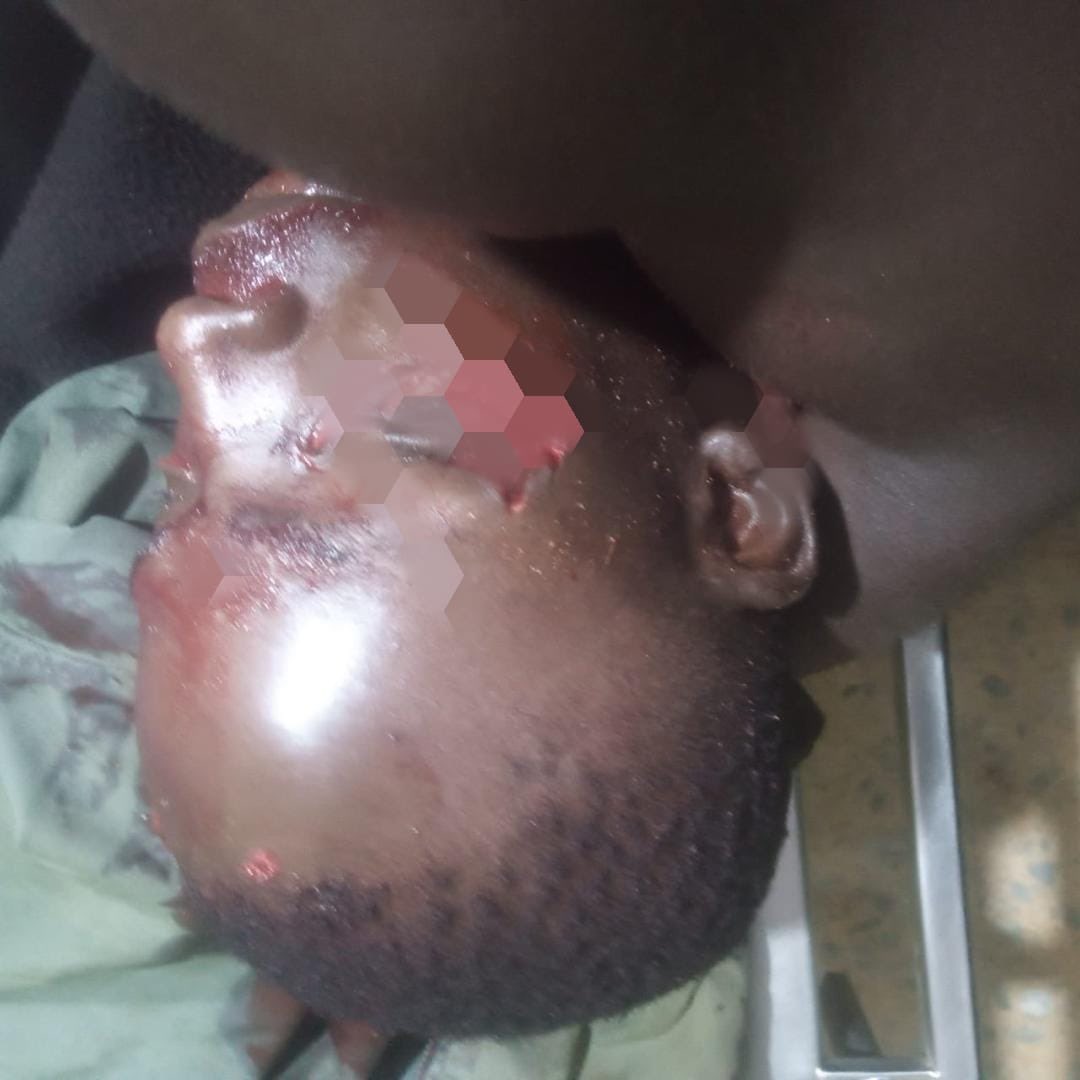
news Suspected Cattle Rustlers Injure Youth in Isolated Bokkos Attack as Plateau Troops Respond
 world
world Trump Credits US Forces as Dozens of Iranian Terror Leaders Sent Straight to Hell
 politics
 Sowore Demands ₦500,000 Wage for INEC Staff, Threatens 2027 Election Boycott
How do you feel about this news?
Community Additions
Have a news tip, correction, or extra context about this story? Post it below instantly. All submissions appear live on this screen immediately.