ADC Declares Cost-of-Living Crisis, Not Religion or Ethnicity, Will Decide 2027 Election
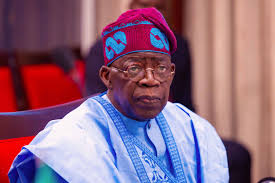
Abuja, Nigeria—October 3, 2026—The African Democratic Congress (ADC) has pushed back strongly against a recent analysis by The Economist that suggested President Bola Tinubu could still secure re-election in 2027 despite widespread unpopularity, arguing that Nigeria’s severe cost-of-living crisis will prove far more decisive than religion or ethnicity.
In a clear and pointed response, ADC National Publicity Secretary Mallam Bolaji Abdullahi dismissed the report’s core assumptions.
While acknowledging that President Tinubu is “universally disliked,” Abdullahi insisted the magazine overstated the influence of religious and ethnic factors in the coming presidential contest.
“Nigerians across all divides are united under the cost of living crisis that the Tinubu administration has plunged them into,” Abdullahi said. “And this will determine how they will vote more than anything else.”
He further warned that any belief within the ruling All Progressives Congress (APC) that victory is assured reveals a disconnection from the public mood.
“The only way the APC could think of winning the election is to rig it. We know that and we have our strategy to stop them,” he added.
Why the Economic Argument Matters
The ADC’s intervention comes amid a broader national conversation about the human cost of economic reforms introduced since May 2023.
The removal of the fuel subsidy and the floating of the naira triggered sharp rises in the prices of food, transportation, rent, and basic household goods.
Many families report that daily survival has become significantly harder, with some surveys indicating that a majority of Nigerians feel worse off than they did three years ago.
Opposition figures, including ADC presidential candidate Atiku Abubakar, have repeatedly framed the 2027 election as a referendum on these lived realities rather than on abstract macroeconomic indicators.
The party argues that ordinary citizens are more concerned with the price of a bag of rice, a litre of petrol, or school fees than with debates over religious or ethnic identity.
Broader Political Context
The 2027 race is already shaping up as a high-stakes contest between the incumbent APC administration and a fragmented but determined opposition.
The ADC has positioned itself as a major opposition platform, with Atiku Abubakar as its flagbearer.
Other contenders, including Peter Obi under a different platform, are also focusing campaign messaging on economic relief and improved living standards.
Analysts note that while ethnicity and religion have historically influenced Nigerian voting behaviour, prolonged economic hardship has the potential to cut across traditional fault lines.
Whether that shift materialises at the ballot box remains one of the central questions of the coming campaign season.
As parties intensify preparations for the 2027 polls, the ADC’s message is clear: the cost-of-living crisis is not a temporary inconvenience but a defining political reality.
The party insists that any candidate or platform that fails to address the daily struggles of ordinary Nigerians will struggle to win genuine public support.
For now, the opposition is betting that shared economic pain will prove stronger than the old politics of identity — and that voters will deliver their verdict accordingly.
 news
news Presidency Brands Economist’s Tinubu Hate Claim Intellectual Fraud as Reforms Push On
 world
world Hegseth Declares Commanders Back in Charge with Major IG Reforms Across War Department
 news
news Suspected Cattle Rustlers Injure Youth in Isolated Bokkos Attack as Plateau Troops Respond
 world
world Trump Credits US Forces as Dozens of Iranian Terror Leaders Sent Straight to Hell
 politics
 Sowore Demands ₦500,000 Wage for INEC Staff, Threatens 2027 Election Boycott
How do you feel about this news?
Community Additions
Have a news tip, correction, or extra context about this story? Post it below instantly. All submissions appear live on this screen immediately.