NCoS Confirms Cholera Outbreak Contained at Kano’s Kurmawa Prison After Two Deaths
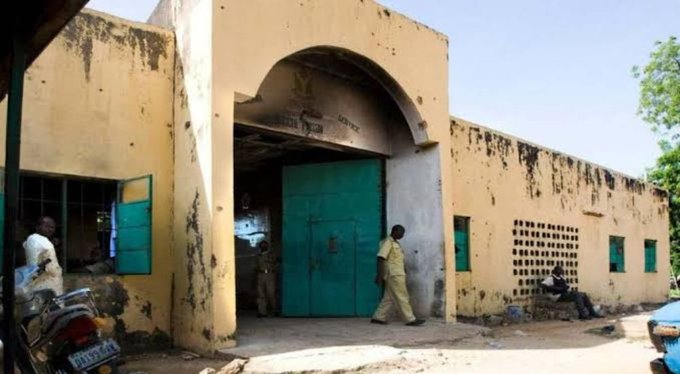
Kano, Nigeria—September 26, 2026—The Nigerian Correctional Service (NCoS) has confirmed that a cholera outbreak at the Kurmawa Medium Security Custodial Centre in Kano has been successfully contained, following two inmate deaths and swift medical intervention.
In a statement released on Saturday, the Service said the outbreak was laboratory-confirmed on 23 September 2026 by its medical team at the facility in collaboration with Kano State public health authorities.
The first case was detected on 17 September when an inmate presented with vomiting and diarrhea and was immediately admitted and treated at the centre’s medical facility.
Emergency medical protocols were activated the following morning. One death occurred at the custodial centre itself, while the second was recorded at the Kano State Infectious Diseases Hospital.
No further fatalities have been reported since the confirmation of the outbreak.
Controller-General of Corrections Sylvester Ndidi Nwakuche directed sustained medical intervention, continuous monitoring, and preventive measures in partnership with the Kano State Government.
A team of senior medical personnel from NCoS Headquarters has also been deployed to the facility for ongoing supervision.
The Service expressed condolences to the families of the deceased and reassured the public that healthcare services remain available across custodial centres, with strengthened disease surveillance, early detection, and prompt response systems.
Earlier Concerns Raised by Rights Group
The official confirmation comes after Amnesty International Nigeria raised an alarm on Friday, reporting that at least six inmates had died within a week from a suspected cholera outbreak at the 115-year-old Kurmawa facility (also referred to in some reports as the Maximum Custodial Centre).
The organization called for an immediate emergency declaration and urgent hospital transfers of critically ill prisoners and warned that failure to act could amount to arbitrary deprivation of life under international law.
Amnesty highlighted longstanding problems of overcrowding, poor sanitation, inadequate food and healthcare, and the high number of inmates held on awaiting-trial status—many of whom, it said, face particularly difficult conditions.
Background of Overcrowding and Sanitation Challenges
Kurmawa, built over a century ago with a designed capacity of around 750 inmates, currently holds more than 1,500 people, according to earlier reports.
Residents of the surrounding Durumin Iya community have previously complained of faecal pollution from the facility’s sewage system, linking it to health risks, including cholera, in the area.
The NCoS has acknowledged overcrowding as a contributing factor to environmental and sanitation challenges.
Cholera remains a recurring public health concern in parts of northern Nigeria, often linked to poor water, sanitation, and hygiene (WASH) conditions, particularly during the rainy season.
The Nigerian Correctional Service maintains that coordinated efforts have brought the latest outbreak under control and that additional preventive measures are being implemented to reduce the risk of future incidents. Authorities continue to monitor the situation closely.
 news
news Presidency Brands Economist’s Tinubu Hate Claim Intellectual Fraud as Reforms Push On
 world
world Hegseth Declares Commanders Back in Charge with Major IG Reforms Across War Department
 news
news Suspected Cattle Rustlers Injure Youth in Isolated Bokkos Attack as Plateau Troops Respond
 world
world Trump Credits US Forces as Dozens of Iranian Terror Leaders Sent Straight to Hell
 politics
 Sowore Demands ₦500,000 Wage for INEC Staff, Threatens 2027 Election Boycott
How do you feel about this news?
Community Additions
Have a news tip, correction, or extra context about this story? Post it below instantly. All submissions appear live on this screen immediately.