
NELFUND Spends ₦16bn Monthly on Student Upkeep as Loan Recoveries Stay at Zero
Abuja, August 31, 2026 — The Nigerian Education Loan Fund (NELFUND) is currently spending about ₦16 billion every month on student upkeep allowances, even though the scheme has yet to recover a single naira from beneficiaries more than two years after it began, its Managing Director, Akintunde Sawyerr, has disclosed.
Speaking in an interview on Monday, Sawyerr painted a picture of a programme that has grown rapidly in scale and impact but now faces serious questions about long-term sustainability.
He said NELFUND has received around 1.8 million applications, processed about 1.5 million, and delivered value to approximately 850,000 students so far.
A Growing Monthly Obligation
“We have a bill every month, as of today, of about 16 billion in upkeep alone. How do you maintain that? How do you keep that going?” Sawyerr asked.
He noted that the scheme, launched as part of the Federal Government’s post-fuel-subsidy welfare interventions under President Bola Tinubu, is still in its early repayment phase and has recorded zero recoveries to date.
The monthly upkeep stipend paid directly into beneficiaries’ bank accounts is ₦20,000 per student. Institutional fees, meanwhile, are paid straight to verified public tertiary institutions.
Sawyerr cited a recent transfer of more than ₦1 billion to the University of Ibadan as an example of the transparent, electronic process the Fund follows.
No Evidence of Misappropriation, Boss Insists
Responding to allegations of financial wrongdoing, Sawyerr was firm. “There is no evidence of any financial misappropriation by NELFUND,” he said.
He described the disbursement system as fully traceable from the Central Bank of Nigeria to either the institutions or the students’ accounts and suggested some of the claims appeared to be driven by mischief rather than facts.
Searching for Sustainable Funding
With the monthly upkeep bill already running into tens of billions of naira and demand continuing to rise, the Federal Government is exploring alternative sources of capital.
These include recovered proceeds of crime, unclaimed dividends, and other idle funds that can be redirected to education.
Sawyerr stressed, however, that NELFUND cannot depend indefinitely on such sources.
The agency’s enabling law allows it to attract private investment, receive charitable donations, and generate income through investments—options the management says it is actively pursuing to secure the future of the scheme.
What It Means for Nigerian Students
For hundreds of thousands of young Nigerians in public universities, polytechnics, and colleges of education, the monthly ₦20,000 upkeep and direct payment of tuition have become a lifeline that helps keep them in school.
Yet the absence of recoveries and the sheer size of the monthly outflow underline the delicate balancing act the Fund must perform if the programme is to remain viable for future cohorts.
As the government looks for ingenious ways to keep the money flowing, students, parents, and education stakeholders will be watching closely to see whether the ambitious student loan scheme can transition from heavy public funding to a more self-sustaining model without leaving the next generation of beneficiaries behind.
 politics
 Adebayo Challenges Tinubu: Where Is Subsidy Money? Come Out and Account for It
 politics
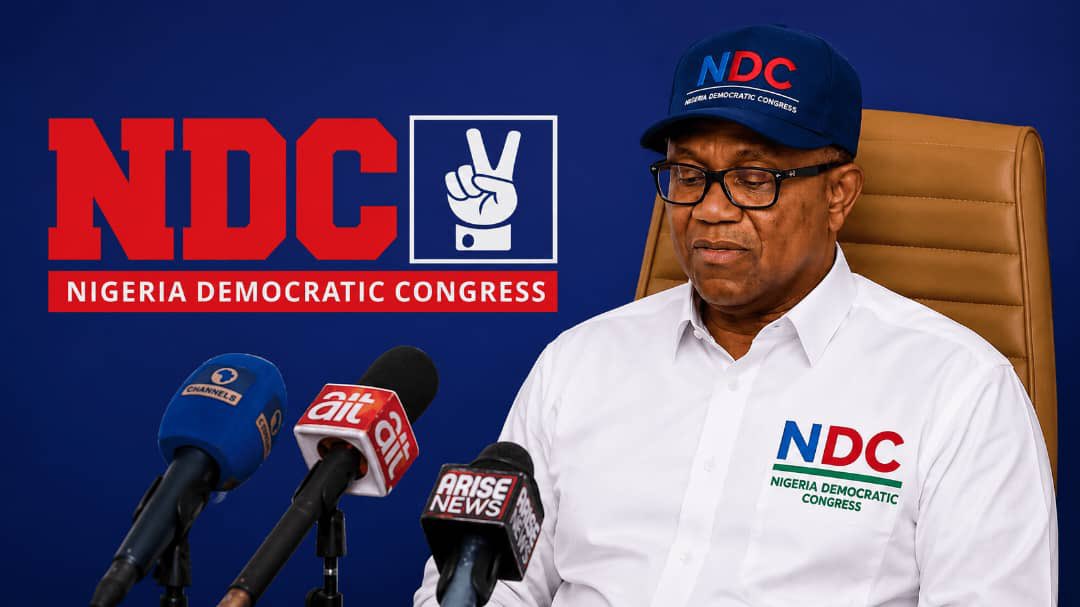
 NDC Wins Logo Battle as Abuja Court Orders INEC to Use Modified Design
 news
news Atiku Exposes Tinubu’s FAAC Scam: Bigger Naira, Poorer Nigerians
 news
news Police Arrest Hafsat Abubakar Over Fake Fintech Shutdown Document Circulated Online
 politics
 Sowore Declares Peter Obi Yelwata Blockade Government-Sponsored Political Attack
How do you feel about this news?
Community Additions
Have a news tip, correction, or extra context about this story? Post it below instantly. All submissions appear live on this screen immediately.