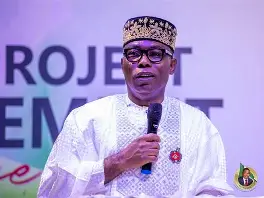
SDP’s Adebayo Says Government Infiltrated at All Levels, Questions Security Votes Used to Pay Kidnappers
Lagos, August 26, 2026 - In a hard-hitting critique of Nigeria’s security architecture, Prince Adewole Adebayo, the Social Democratic Party (SDP) presidential candidate for the 2027 elections, has alleged that the government is deeply infiltrated “at the highest level, middle level and low level.”
Speaking in a widely circulated video, Adebayo zeroed in on the opaque nature of security votes, declaring: “When a Governor says he’s spent N3bn for security vote to pay kidnappers, you won’t ask the Governor for receipt or signature of the kidnappers.”
The remarks, shared by commentator Morris Monye and gaining traction online, underscore Adebayo’s long-standing argument that Nigeria’s insecurity crisis is sustained by networks within the political establishment rather than merely by “rag-tag hoodlums.”
Insecurity as a System of Interests
Adebayo has repeatedly claimed that elements in government and their collaborators benefit from kidnapping, banditry and illegal mining.
In recent comments, he described the real terrorists as those in government, arguing that massive security spending has failed to deliver safety for ordinary citizens.
His critique comes against the backdrop of large security expenditures by states. Reports show 31 states spent a combined ₦252 billion on security in the first half of 2026 alone, even as killings, abductions, and banditry continued across large parts of the country.
Civil society groups and analysts have long described security votes as largely unaccountable funds that function more like discretionary slush funds than transparent security budgets.
Adebayo’s point about the absence of receipts or signatures for alleged payments to kidnappers captures a deeper public frustration: the near-total lack of scrutiny over how these huge sums are spent.
A Consistent Message Ahead of 2027
The SDP candidate has made insecurity and poverty the central theme of his campaign (“Farewell to Poverty and Insecurity”).
He has argued that removing politicians who allegedly partner with or tolerate violent groups is essential, because “if you keep re-electing them, the terrorists will continue because they are in partnership with the terrorists.”
He has also advocated for a three-tier policing structure — federal, state and local government police — arguing that any level of government with the power to make laws should have the capacity to enforce them.
Broader Political Context
Adebayo’s latest comments fit a pattern of sharp attacks on the Tinubu administration’s handling of security. He has previously accused the federal government of enabling insecurity, losing control of the security apparatus, and using bandits for political purposes.
As the 2027 election cycle intensifies, such statements are likely to resonate with Nigerians weary of persistent violence despite heavy security spending.
Whether Adebayo’s diagnosis of systemic infiltration and the security-vote problem will translate into broader political traction remains to be seen.
What is clear is that the question of accountability for billions spent in the name of security continues to haunt Nigeria’s public discourse.
politics Adebayo Challenges Tinubu: Where Is Subsidy Money? Come Out and Account for It
 politics
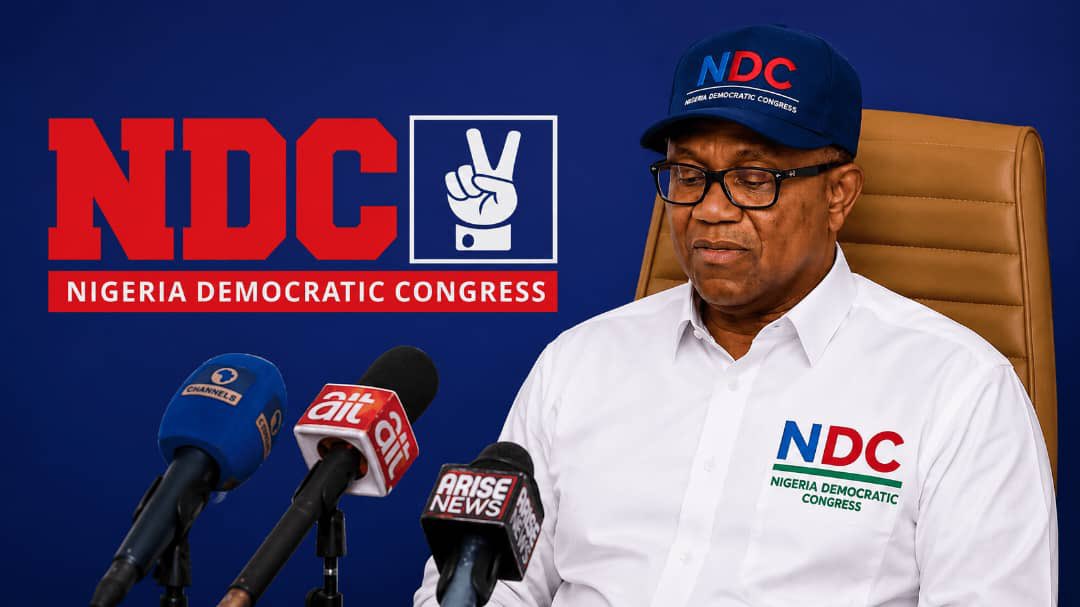
 NDC Wins Logo Battle as Abuja Court Orders INEC to Use Modified Design
 news
news Atiku Exposes Tinubu’s FAAC Scam: Bigger Naira, Poorer Nigerians
 news
news Police Arrest Hafsat Abubakar Over Fake Fintech Shutdown Document Circulated Online
 politics
 Sowore Declares Peter Obi Yelwata Blockade Government-Sponsored Political Attack
How do you feel about this news?
Community Additions
Have a news tip, correction, or extra context about this story? Post it below instantly. All submissions appear live on this screen immediately.