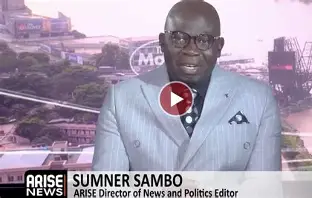
ARISE Editor Challenges Atiku to Clarify Fuel Subsidy Return Plan for Nigerians
Lagos, August 24, 2026 — ARISE News Director of News and Politics Editor Sumner Sambo has called on African Democratic Congress (ADC) presidential candidate Atiku Abubakar to clearly explain what a return to fuel subsidy would mean for ordinary Nigerians.
Speaking on ARISE Television’s Morning Show, Sambo stressed that Atiku must be held accountable for detailing the implications of his proposal.
“It would mean returning to the problems we previously had, which we have already identified as a national challenge, including long queues at fuel stations,” he said.
Sambo added that Atiku needs to clarify exactly what he intends to introduce and how his plan to support refineries would function in practice.
The comments come amid a heated national debate triggered by Atiku’s recent pledge to restore a form of petrol subsidy if elected president in 2027.
The former vice president has argued that the Tinubu administration’s 2023 subsidy removal has not delivered tangible benefits to citizens, questioning where the claimed savings have gone and accusing the government of continuing to absorb price shortfalls under different labels while offering fiscal incentives to oil investors.
Atiku’s team insists his Atiku Economic Recovery Plan (AERP) is not a return to the old “opaque and corruption-ridden” regime.
Instead, it proposes a targeted, capped, transparently budgeted and independently audited intervention focused on domestic refining.
Qualifying Nigerian refineries would receive crude at preferential prices tied to verified production and domestic supply, with a clear exit mechanism, alongside efforts to boost competition, mass transportation, and household purchasing power.
The Federal Government and ruling party figures have pushed back strongly, describing any subsidy reversal as fiscally unsustainable and a step backward from reforms that have increased FAAC allocations to states and generated significant resources.
Critics, including FCT Minister Nyesom Wike, have also highlighted Atiku’s earlier support for subsidy removal, accusing him of inconsistency.
Sambo’s intervention reflects broader public curiosity about the practical details of Atiku’s alternative.
While many Nigerians continue to feel the pinch of higher fuel and living costs, questions remain about funding, implementation safeguards, and whether a production-focused model can avoid the leakages and inefficiencies of the past.
As the 2027 campaign intensifies, the fuel subsidy debate is emerging as a central economic flashpoint, forcing candidates to move beyond slogans and present workable plans that address both fiscal realities and the daily struggles of citizens.
 politics
 Adebayo Challenges Tinubu: Where Is Subsidy Money? Come Out and Account for It
 politics
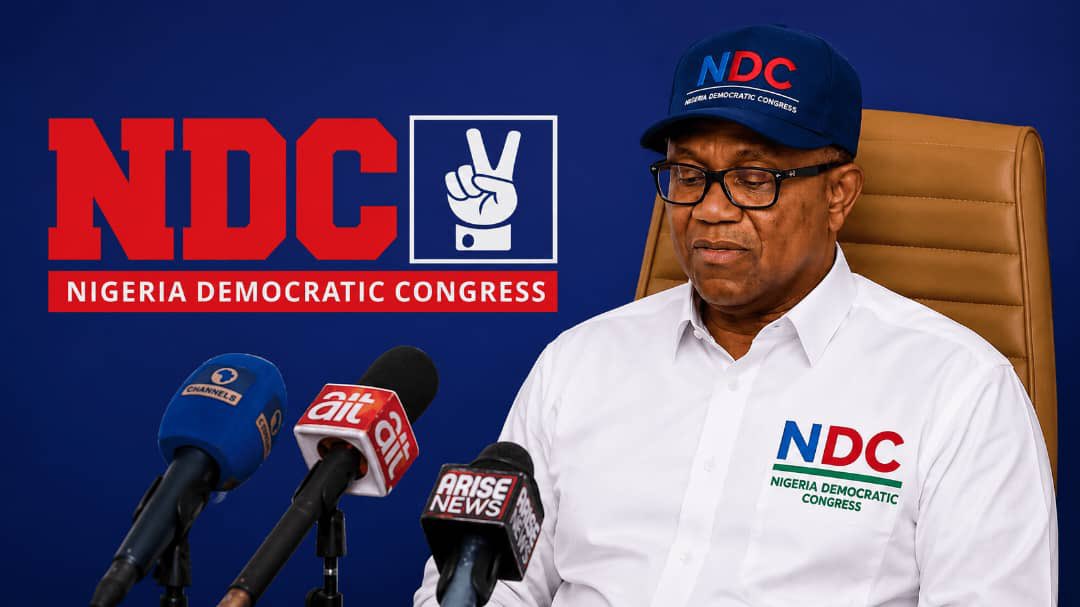
 NDC Wins Logo Battle as Abuja Court Orders INEC to Use Modified Design
 news
news Atiku Exposes Tinubu’s FAAC Scam: Bigger Naira, Poorer Nigerians
 news
news Police Arrest Hafsat Abubakar Over Fake Fintech Shutdown Document Circulated Online
 politics
 Sowore Declares Peter Obi Yelwata Blockade Government-Sponsored Political Attack
How do you feel about this news?
Community Additions
Have a news tip, correction, or extra context about this story? Post it below instantly. All submissions appear live on this screen immediately.