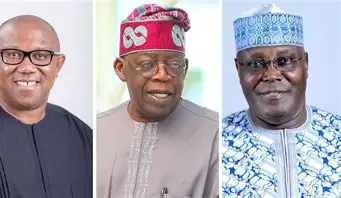
Nigeria’s 2027 Race Turns into Coalition Battle as Campaign Season Opens
Lagos, August 22, 2026 — Nigeria formally entered the 2027 presidential campaign season this week, but the real story is unfolding beyond the rallies and speeches. Both the ruling establishment and the opposition are racing to assemble broad political coalitions that could decide the next general election.
President Bola Ahmed Tinubu is seeking a second term with the All Progressives Congress (APC) holding a commanding structural advantage—the party now controls 31 of the country’s 36 governorships.
Yet public dissatisfaction over economic hardship and insecurity continues to fuel opposition efforts to present a united challenge.
The New Game: Coalition Versus Coalition
What began as a conventional Tinubu-versus-the-opposition contest is rapidly evolving into a contest over who can build the widest and most credible national alliance. FCT Minister Nyesom Wike has openly spoken of a “massive Rainbow Coalition” forming in support of the President’s re-election.
At the same time, opposition figures and groups such as the G-100 are pushing for a single presidential candidate capable of consolidating anti-incumbency sentiment.
“The opposition is trying to build a coalition to defeat Tinubu. Tinubu’s allies are trying to build a coalition to make defeating him much harder,” the analysis notes.
The outcome may hinge less on traditional party labels and more on the personalities, regional structures, and interests each side successfully attracts.
Winners and the Reality Check from Osun
Wike emerges as a key political actor this week, positioning himself at the centre of conversations about realignment. His intervention has forced the question of cross-party alliances onto the national agenda.
Governor Ademola Adeleke of Osun also strengthened his hand after securing re-election against the APC candidate. Within days he met both President Tinubu and Wike, prompting speculation about his future alignment.
While Wike has claimed Adeleke as part of his camp, Adeleke’s associates have described the engagement with the President as a courtesy visit.
What is clear is that electoral victory has increased Adeleke’s bargaining power.
The Osun result has punctured any assumption that APC dominance automatically translates into an inevitable presidential victory.
One state does not decide a national election, but it has reminded politicians that Nigerian voters can still deliver surprises.
Regional Chessboard and the Strategic Question
Analysts are already mapping the key theatres:
- South-West: Still APC-strong, yet Osun shows it is not completely locked down.
- South-East: Peter Obi remains the dominant force, though converting enthusiasm into a wider national coalition remains the challenge.
- South-South: Potentially decisive, with Wike’s influence and possible cross-party deals in play.
- North-Central: Could serve as a bridge between competing northern and southern blocs.
- North-West and North-East: The demographic prize that any winning coalition must secure.
The central strategic question is whether the opposition can forge a single, coherent coalition before the ruling side completes its own broader alliance.
Atiku Abubakar brings experience and networks; Obi brings youthful energy and reform appeal.
Combining them with other regional players looks powerful on paper — but personalities alone do not equal votes.
What to Watch Next
Political watchers will be monitoring four developments closely: the actual composition and organizational depth of any “Rainbow Coalition”; whether opposition leaders can agree on one presidential candidate; Adeleke’s next concrete political moves; and, most importantly, the state of the economy.
Food prices, purchasing power, jobs and security are likely to weigh heavier with ordinary Nigerians than any list of endorsements.
President Tinubu still holds the stronger structural position through incumbency and the APC’s extensive state network.
Yet this week has shown two critical realities: the ruling party can still lose elections, and the opposition is not the only side capable of building alliances.
In the end, the 2027 contest may turn on a single question: who can assemble the coalition that Nigerians actually believe in?
 politics
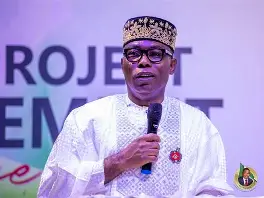
 Adebayo Challenges Tinubu: Where Is Subsidy Money? Come Out and Account for It
 politics
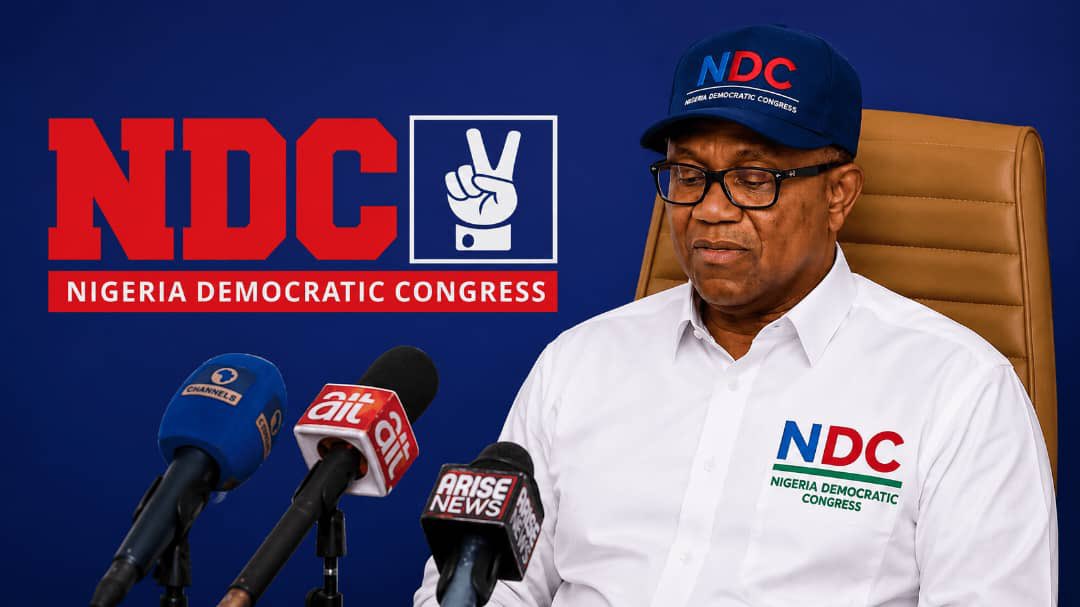
 NDC Wins Logo Battle as Abuja Court Orders INEC to Use Modified Design
 news
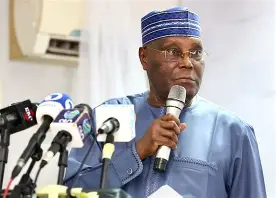
news Atiku Exposes Tinubu’s FAAC Scam: Bigger Naira, Poorer Nigerians
 news
news Police Arrest Hafsat Abubakar Over Fake Fintech Shutdown Document Circulated Online
 politics
 Sowore Declares Peter Obi Yelwata Blockade Government-Sponsored Political Attack
How do you feel about this news?
Community Additions
Have a news tip, correction, or extra context about this story? Post it below instantly. All submissions appear live on this screen immediately.