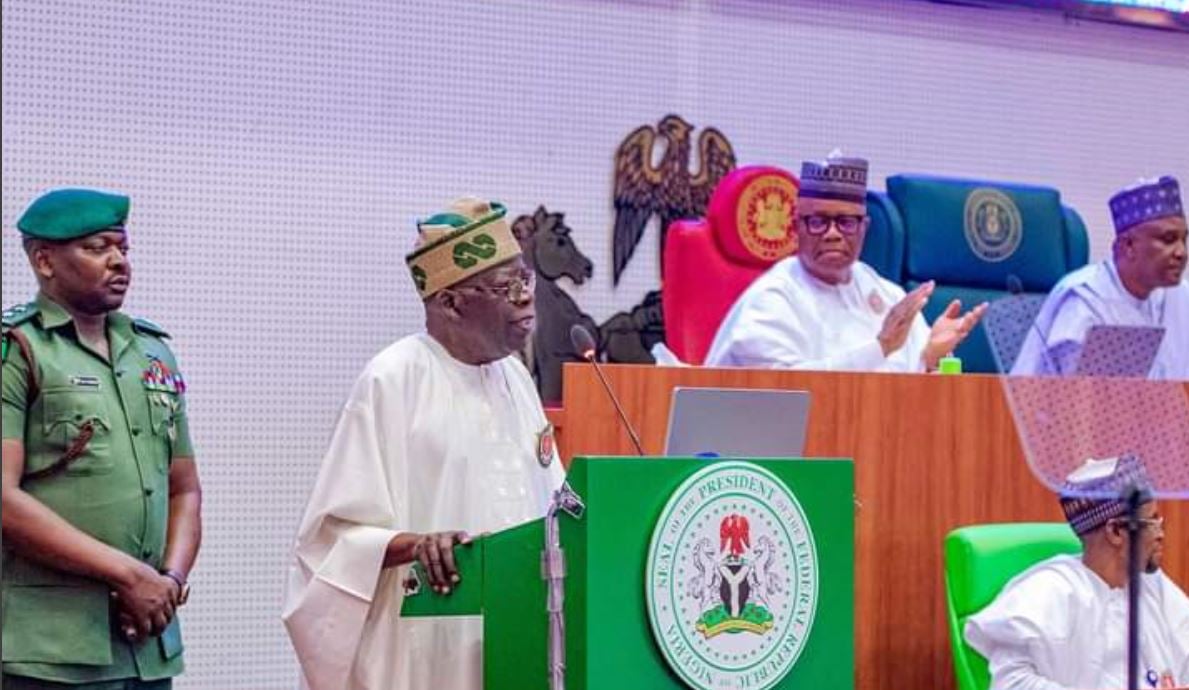
Tinubu’s Padded 2026 Budget: N46.6bn Road Projects Found in Wrong Agency
Abuja, August 20, 2026 — Fresh scrutiny of Nigeria’s 2026 Appropriation Act has revealed that N46.616 billion was allocated for road construction, rehabilitation, erosion control, drainage, bridges, walkways and flood-control projects across multiple states under the budget of the Federal Co-operative College, Oji River in Enugu State.
The projects, which span states including Enugu, Abia, Anambra, Bayelsa, Delta, Ekiti, Ogun, Ondo, Katsina, Sokoto and Kano, appear to have little or no connection to the college’s core mandate of cooperative education and management.
Critics describe the insertion as another example of constituency-style projects being “hidden” in the budgets of agencies that lack the statutory responsibility to execute them.
How the Money Was Allocated
Pages 731 to 761 of the 2,790-page Appropriation Act show that the Federal Co-operative College received a total of N226.774 billion, of which N225.632 billion was earmarked for capital expenditure.
Of that capital vote, N46.616425 billion — roughly one-fifth — went to dozens of infrastructure projects nationwide.
Among the largest single allocations are:
- N2.1 billion for roads in selected communities in Anambra
- N1.9 billion for the Baddore-Lukosi Road
- N1.75 billion for rural farming roads in the South-South
- N1.4 billion each for roads in Irepodun/Ifelodun (Ekiti), South-Western farming communities, selected farm roads in Ogun, and the Shimawa-Kaniyi Road
- N1.05 billion each for rural farm roads in Akko Federal Constituency (Gombe) and the Imezi-Owa/Aguobu-Owa road network in Enugu
Smaller but still substantial sums ranging from N175 million to N750 million cover additional roads, bridges, erosion-control works and flood-control projects across Abia North, Bayelsa, Delta, Katsina, Ondo, Ekiti, and other locations.
Why the Placement Raises Questions
The Federal Cooperative College is an academic institution. Placing large-scale civil engineering and flood-control works under its capital budget rather than under the Federal Ministry of Works, the Ecological Fund Office, or other specialized agencies has fueled accusations of budget padding and reduced transparency.
Similar discoveries in recent weeks—including earlier reports of street-lighting and transformer projects also parked under the same college—have intensified public debate about how constituency projects are inserted into the national budget and whether such practices undermine proper oversight and accountability.
Opposition voices and civil society groups have long argued that embedding unrelated projects in the budgets of educational or specialized institutions makes tracking, monitoring, and auditing more difficult. Supporters of the practice sometimes contend that it enables legislators to deliver tangible infrastructure to their constituencies.
Broader Context
The revelations come amid ongoing public concern over the size and structure of successive federal budgets and repeated allegations of padding under successive National Assemblies.
The current Senate is led by Godswill Akpabio.
As of the time of writing, neither the National Assembly leadership nor the Federal Co-operative College had issued an official public response to the specific findings.
Budget Office and Ministry of Budget and National Planning officials have also not commented on the placement of the projects.
The discovery adds to a growing list of questions surrounding the 2026 budget and the processes through which large sums are allocated for constituency and zonal intervention projects.
Transparency advocates continue to call for clearer guidelines that ensure infrastructure spending is housed under the agencies best equipped to plan, execute, and account for it.
 politics
 Adebayo Challenges Tinubu: Where Is Subsidy Money? Come Out and Account for It
 politics
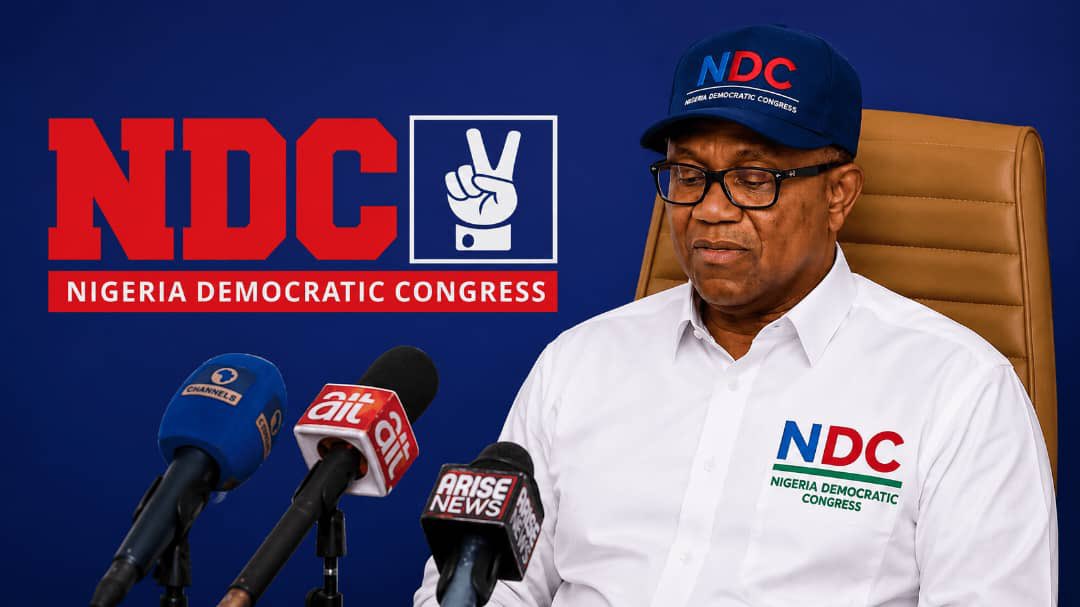
 NDC Wins Logo Battle as Abuja Court Orders INEC to Use Modified Design
 news
news Atiku Exposes Tinubu’s FAAC Scam: Bigger Naira, Poorer Nigerians
 news
news Police Arrest Hafsat Abubakar Over Fake Fintech Shutdown Document Circulated Online
 politics
 Sowore Declares Peter Obi Yelwata Blockade Government-Sponsored Political Attack
How do you feel about this news?
Community Additions
Have a news tip, correction, or extra context about this story? Post it below instantly. All submissions appear live on this screen immediately.