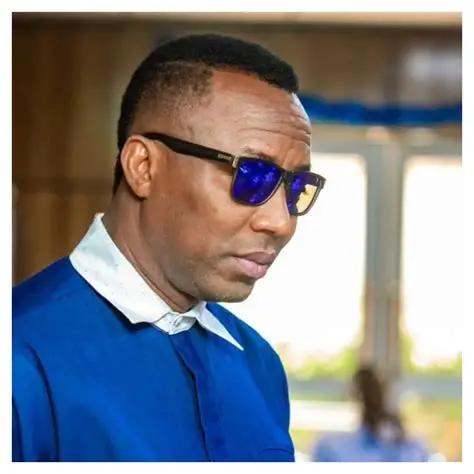
Sowore Says Tinubu Met Maximum But Missed Minimum Requirements
Abuja, Nigeria – August 4, 2026 — African Action Congress (AAC) presidential candidate Omoyele Sowore has described President Bola Tinubu’s educational credentials as meeting the “maximum requirements” but falling short of the “minimum requirements,” following the Independent National Electoral Commission’s publication of candidates’ documents for the 2027 elections.
Speaking on Channels Television’s Sunrise Daily on Tuesday, Sowore reacted to the details submitted by the President and other contenders.
What INEC Published
INEC released the personal particulars, academic credentials and supporting documents of presidential candidates and their running mates in line with the Electoral Act and its timetable for the January 16, 2027 general election. The publication allows public scrutiny of the forms.
For President Tinubu of the All Progressives Congress (APC), the documents list a Bachelor of Science degree in Business Administration obtained from Chicago State University in 1979.
However, the sections for primary and secondary school qualifications were left blank — consistent with the forms he submitted in 2023.
By contrast, other candidates provided more complete educational histories.
Sowore himself submitted a Master’s degree in Public Administration from Columbia University and a B.Sc. in Geography and Regional Planning from the University of Lagos.
Sowore’s Critique
Sowore’s sharp one-liner — that Tinubu met the maximum but not the minimum requirements — has drawn attention because it frames the issue around the constitutional and statutory expectation of at least a secondary school certificate or its equivalent, even when a higher degree is presented.
The activist has also alleged discrepancies between the university document submitted for 2027 and the one presented during Tinubu’s 1999 Lagos governorship bid, urging voters to demand full verifiable records.
A Familiar Controversy Returns
Questions over President Tinubu’s educational background have followed him through previous election cycles. Supporters argue that a university degree from an accredited American institution satisfies the legal threshold and that Chicago State University has previously confirmed his attendance.
Critics insist that leaving primary and secondary sections blank raises legitimate concerns about transparency and the completeness of the record.
With the statutory window for public scrutiny now open, political opponents and civil society groups are expected to intensify examination of the documents.
Any formal challenge would ultimately have to be resolved through the courts with concrete evidence.
As the 2027 presidential race gathers pace, the debate over credentials has once again become a flashpoint—highlighting lingering questions about transparency, legal minimums, and the standards Nigerians expect of those seeking the nation’s highest office.
 news
news Presidency Brands Economist’s Tinubu Hate Claim Intellectual Fraud as Reforms Push On
 world
world Hegseth Declares Commanders Back in Charge with Major IG Reforms Across War Department
 news
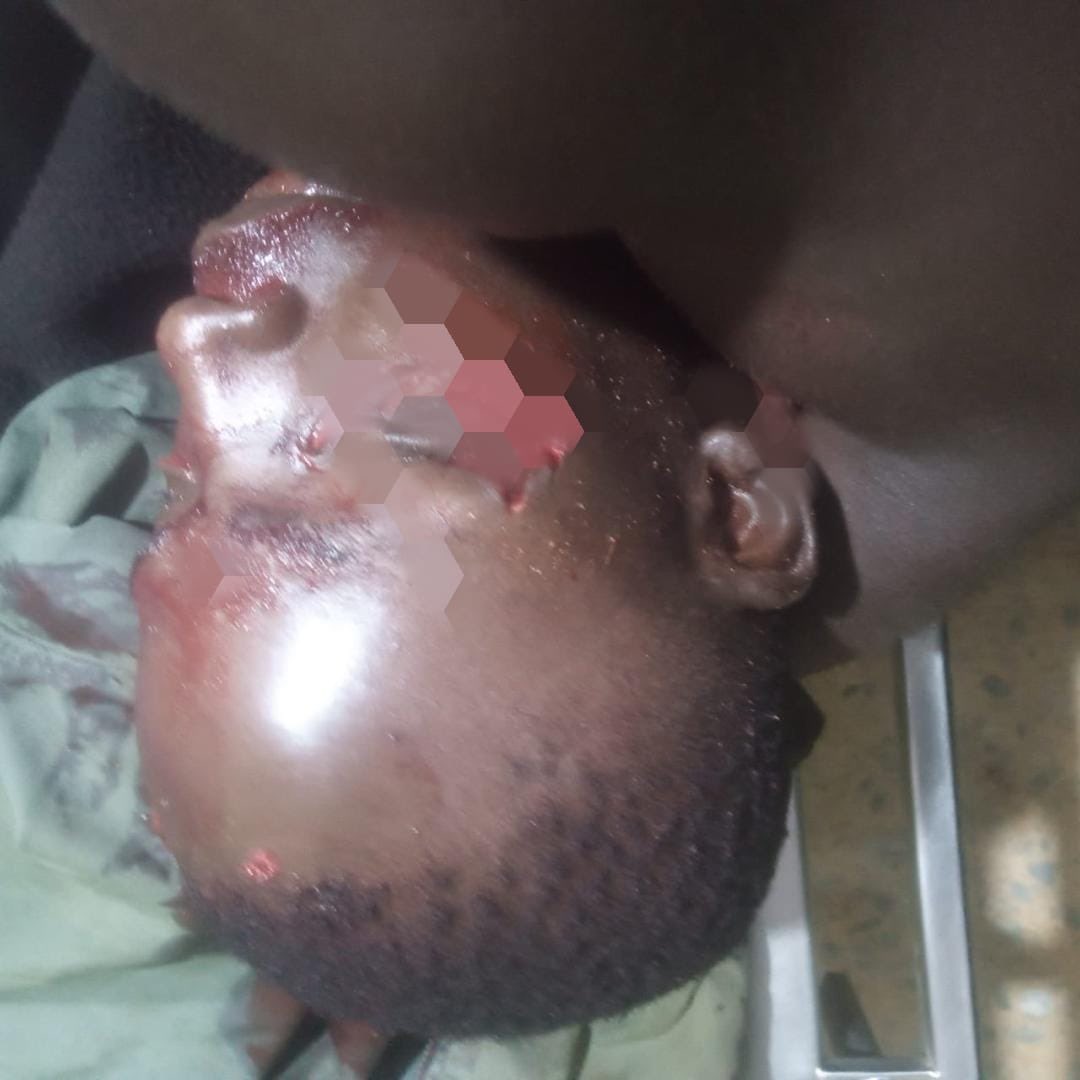
news Suspected Cattle Rustlers Injure Youth in Isolated Bokkos Attack as Plateau Troops Respond
 world
world Trump Credits US Forces as Dozens of Iranian Terror Leaders Sent Straight to Hell
politics Sowore Demands ₦500,000 Wage for INEC Staff, Threatens 2027 Election Boycott
How do you feel about this news?
Community Additions
Have a news tip, correction, or extra context about this story? Post it below instantly. All submissions appear live on this screen immediately.