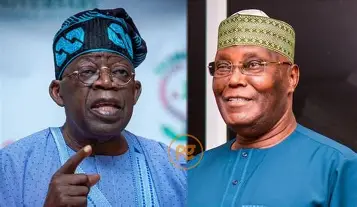
Presidency Hits Back: Atiku’s Economic Criticisms Stuck in 2024, Not Nigeria’s 2026 Reality
Abuja, Nigeria— In a sharply worded State House press statement issued on Sunday, August 2, 2026, Bayo Onanuga, Special Adviser to President Bola Ahmed Tinubu on Information and Strategy, launched a comprehensive, point-by-point rebuttal of former Vice President Atiku Abubakar’s latest criticisms of the administration’s economic direction.
Titled “Facts, Not Fear: A Point-by-Point Response to Atiku Abubakar on Nigeria’s Reform Journey,” the statement accused the former vice president of relying on outdated 2024 data to paint a picture of failure in mid-2026.
Onanuga argued that judging structural reforms solely by their most painful early phase is like “judging chemotherapy by the nausea it induces while ignoring the remission it seeks to achieve.”
According to the Presidency, Nigeria’s economy has moved well beyond the immediate shock of the 2023-2024 exchange-rate reset.
Dollar-denominated GDP, which sank to about $253 billion after the naira float, has recovered to approximately $377 billion—a roughly 49 percent rebound—while naira GDP has expanded from about ₦314 trillion in 2024 to around ₦530 trillion, a 69 percent increase.
These figures, Onanuga stressed, come from statistics bodies and multilateral agencies, including the IMF.
On the sensitive issue of public debt, the statement insisted Nigeria is “certainly not over-borrowed.”
Debt-to-GDP stands at barely 40 percent—modest compared with peers such as South Africa (85 percent), Egypt (80 percent), Ghana (60 percent), and even advanced economies like the United States (130 percent).
More significantly, the debt service-to-revenue ratio has fallen from nearly 100 per cent in December 2022 to under 60 per cent, reflecting improved revenue efficiency.
Borrowings, the Presidency maintained, have largely financed productive infrastructure rather than recurrent consumption.
The removal of the fuel subsidy—long criticized by economists across ideological lines—received particular defence.
Onanuga noted that the policy has dramatically boosted Federation Account allocations to states and local governments, expanding their capacity to fund roads, schools, hospitals, salaries, and pensions.
He framed this as a practical step toward true federalism and economic restructuring—issues he said previous governments, including the one in which Atiku served, largely avoided.
Tax reforms were described as progressive rather than punitive. Low-income earners (those making ₦1 million or less annually) and small businesses (turnover of ₦100 million or below) receive relief, while higher-income individuals and profitable enterprises face stronger compliance.
The goal, according to the statement, is a broader, more equitable tax base rather than simply extracting more from ordinary citizens.
Concrete achievements across social sectors were listed in detail. In health, over 3,000 primary healthcare centers have been revitalized by April 2026, more than 78,000 frontline workers retrained, free cesarean sections offered at over 100 facilities for indigent mothers, and three world-class cancer centers made operational in Kubwa, Enugu, and Katsina.
In education, the Nigerian Education Loan Fund (NELFUND) has supported over 1.64 million students with more than ₦303 billion disbursed across 300 institutions, while prolonged university lecturer strikes have largely ended.
Infrastructure investments in highways, rail, power, ports and housing continue, aided by stronger subnational revenues.
Onanuga firmly rejected Atiku’s claim of a ₦7.98 trillion oil windfall. While Brent crude averaged around $90 in the first half of 2026 (above the $64.85 budget benchmark), actual production averaged about 1.6 million barrels per day against a forecast of 1.84 million.
Production shortfalls, production costs, joint-venture shares and existing crude-backed loan obligations for past subsidies offset much of the price premium.
Any incremental revenue, he said, appears in monthly FAAC distributions.
He challenged Atiku to publish the workings behind the ₦7.98 trillion figure.
Inflation, which fell to 14.4 per cent in November 2025 before rising to 15.91 per cent amid Middle East disruptions, is projected to trend toward 12 per cent by year-end.
Complementary social programs—including the ward-centric NG-CARES, HOPE, and SOLID initiatives worth more than $3 billion, plus cash transfers reaching 15 million vulnerable households—are presented as cushions for the most affected.
The statement acknowledged that reforms have imposed real costs and that legitimate questions about implementation, inflation, and social protection remain.
Yet it insisted the worst phase of adjustment is over and that the alternative—continued fiscal distortions, subsidy leakages, and deferred hard choices—was unsustainable.
“Nigeria’s economy is not yet where it aspires to be,” Onanuga concluded, “but neither is it where it stood at the height of its structural distortions.”
The exchange underscores the sharp political contest ahead of 2027, with the opposition highlighting persistent hardship and the government emphasizing measurable recovery and long-term structural correction.
As always in Nigerian politics, the numbers and narratives will continue to be fiercely debated.
 news
news Presidency Brands Economist’s Tinubu Hate Claim Intellectual Fraud as Reforms Push On
 world
world Hegseth Declares Commanders Back in Charge with Major IG Reforms Across War Department
 news
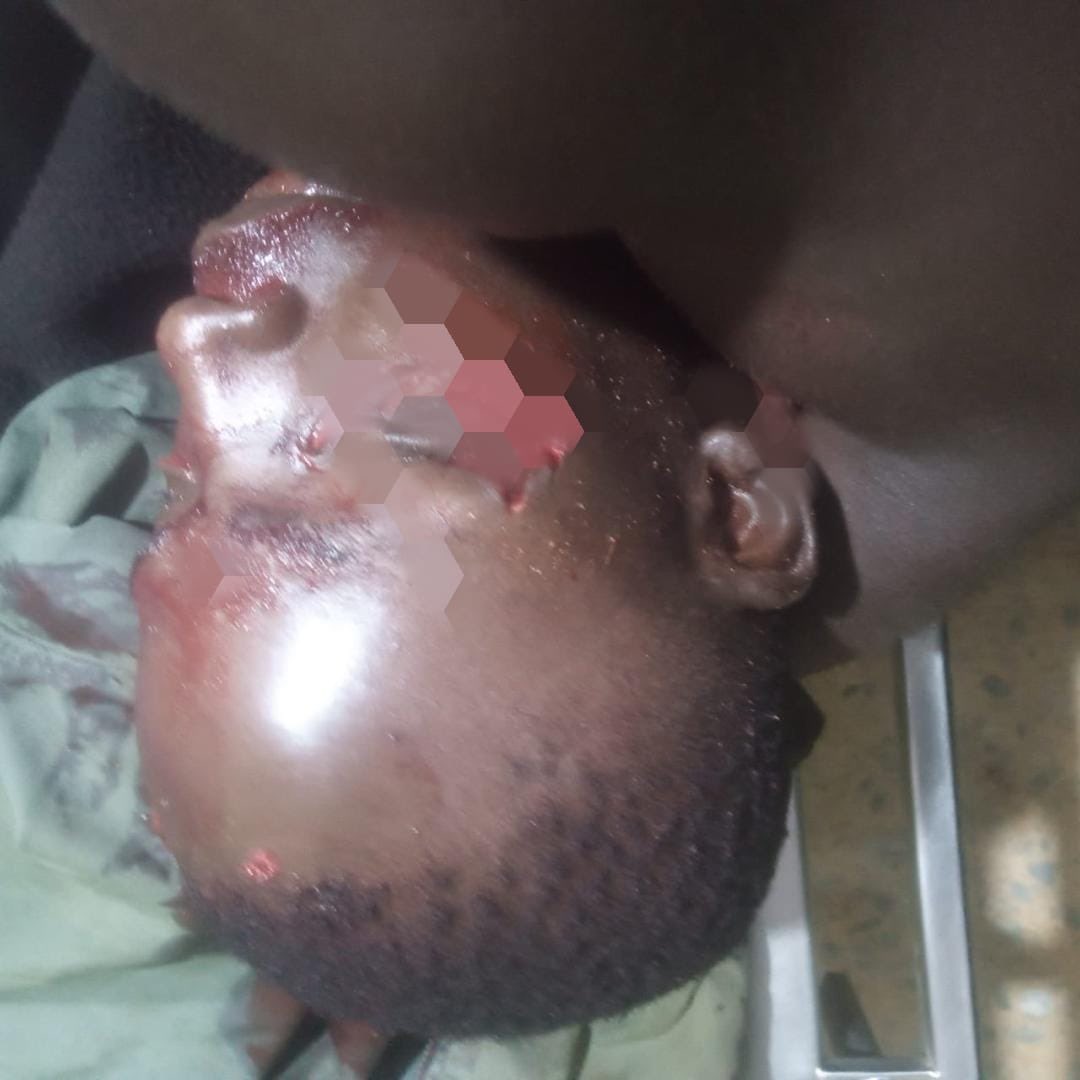
news Suspected Cattle Rustlers Injure Youth in Isolated Bokkos Attack as Plateau Troops Respond
 world
world Trump Credits US Forces as Dozens of Iranian Terror Leaders Sent Straight to Hell
 politics
 Sowore Demands ₦500,000 Wage for INEC Staff, Threatens 2027 Election Boycott
How do you feel about this news?
Community Additions
Have a news tip, correction, or extra context about this story? Post it below instantly. All submissions appear live on this screen immediately.