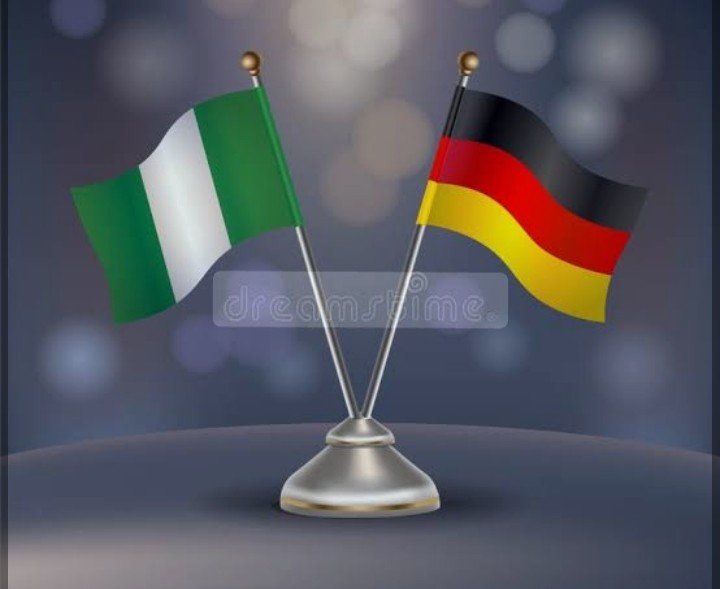
Nigeria-Germany Seal Game-Changing Economic Alliance
Abuja, Nigeria | July 22-23, 2026 - In a significant boost to longstanding diplomatic ties, Nigeria and Germany have reaffirmed their commitment to deeper strategic partnership, with fresh agreements targeting trade, renewable energy, critical raw materials, pharmaceuticals, biometric technology, migration management, vocational education, and security.
The developments emerged from high-level bilateral consultations held in Abuja, underscoring both countries’ resolve to translate shared priorities into tangible cooperation.
Nigeria’s Minister of Foreign Affairs, Ambassador Bianca Odumegwu-Ojukwu, hosted her German counterpart, Johann Wadephul, for talks that built directly on the outcomes of the 2025 Nigeria-Germany Bi-national Commission.
Odumegwu-Ojukwu described the visit as “another milestone” in bilateral relations, emphasizing Nigeria’s dedication to implementing commission resolutions while addressing evolving priorities.
The 2025 commission, co-chaired by ministers in Berlin, laid a robust framework for reviewing progress and identifying new collaborative avenues.
It highlighted Germany’s role as Nigeria’s second-largest trading partner in Sub-Saharan Africa, with bilateral trade volumes reaching around €3 billion (approximately ₦2.95 trillion at the time), supported by over 90 active German companies contributing to local employment and economic activity.
Wadephul noted that new agreements cover critical areas including raw materials, renewable energy, the pharmaceutical industry, and biometric technology.
These pacts aim to “inject fresh momentum” into the relationship while creating opportunities for expanded cooperation.
Nigeria reiterated its focus on migration management, vocational training, and security collaboration.
Officials expressed optimism that increased German investment would complement President Bola Ahmed Tinubu’s economic reforms, enhance the investment climate, and advance climate action initiatives.
Germany views Nigeria — Africa’s most populous nation and a regional powerhouse — as a pivotal partner for stability, democracy, and economic opportunity.
The partnership aligns with broader European-African engagement, especially as both continents navigate shared challenges like energy security, climate change, and migration.
For Nigeria, the engagements support diversification beyond traditional sectors, leveraging German expertise in technology, skills development, and green industrialization.
Discussions also touched on digital innovation and sustainable development, areas critical to Tinubu’s “Renewed Hope” agenda.
Wadephul’s two-day visit included stops in Lagos alongside a German business delegation aimed at encouraging further private sector investment.
He highlighted potential in information technology, startups, and supply chain resilience.
This renewed push comes at a time of global realignments, with both nations seeking resilient partnerships.
Analysts see it as a pragmatic step toward diversified trade, reduced reliance on single markets, and joint efforts against common threats like terrorism and illicit flows.
As implementation of these agreements progresses, stakeholders anticipate measurable gains in job creation, technology transfer, and sustainable growth.
The Bi-national Commission platform ensures structured follow-up, keeping momentum alive.
Nigeria and Germany’s evolving alliance exemplifies how targeted diplomacy can drive development in an interconnected world — a partnership rooted in history, now geared firmly toward the future.
 news
news Tinubu Set to Crush Obi, Atiku in 2027 Poll
 news
news Israel Urges Nigerian Doctors for Capacity Training Abroad
 news
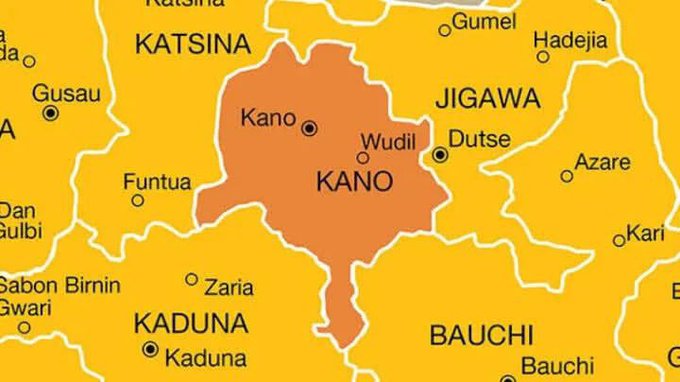
news Kano Woman Stabs Boyfriend, Severs Manhood Completely
 world
world Trump Hails Court Win Over New York Times Lawsuit
 news
news Minister Hails NTA’s World-Class Studio in Tinubu Media Push
How do you feel about this news?
Community Additions
Have a news tip, correction, or extra context about this story? Post it below instantly. All submissions appear live on this screen immediately.