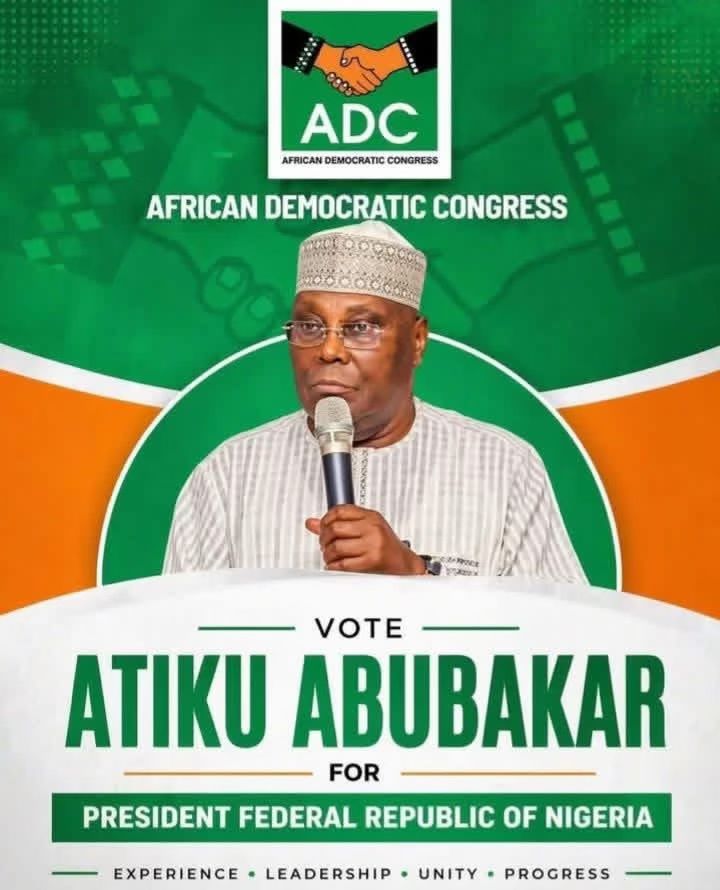
Atiku Demands Transparency as ₦12.8 Trillion Budget Storm Rages
Abuja - In a escalating war of words rocking Nigeria’s political landscape on July 22, 2026, the media office of former Vice President and ADC presidential candidate Atiku Abubakar has accused the ruling All Progressives Congress (APC) of panic and evasion following explosive questions about a massive ₦12.8 trillion Service-Wide Vote (SWV) in the 2026 Appropriation Act.
Atiku’s team described the APC’s response — issued earlier by National Publicity Secretary Felix Morka — as “emotionally charged but intellectually bankrupt,” claiming it relied on personal attacks rather than addressing core concerns about fiscal accountability.
Atiku’s statement zeroes in on the dramatic surge in the Service-Wide Vote: from ₦638.34 billion in 2024 to over ₦12.8 trillion in 2026 — an alleged increase of approximately 1,918%.
His office demands answers: What unforeseen emergencies justify this astronomical leap?
Why are substantial portions vaguely described or lacking detail? And how can such a sum — rivaling entire sector budgets for defence, education, health, and infrastructure — avoid becoming a slush fund?
“No one disputes the existence of a Service-Wide Vote as a recognised budgetary instrument,” the statement reads. “What Nigerians are questioning is the **size, opacity, and potential for abuse under the Tinubu administration.”
The Atiku media office further highlighted a pattern of budget controversies under the current government, including alleged duplications, opaque allocations, and eroding public trust.
It reiterated a call for the Tinubu administration to publish a comprehensive breakdown: every project, beneficiary, implementing agency, and legal justification.
Morka’s earlier statement had defended the SWV as a standard tool for government-wide obligations and contingencies, dismissing Atiku’s claims as baseless and politically motivated.
He accused the former Vice President of being haunted by his own past and attempting to distract from the Tinubu administration’s achievements in education loans, minimum wage implementation, CNG initiatives, infrastructure, and economic reforms.
The 2026 budget, presented as one of consolidation and resilience, features significant overall spending with priorities in security, infrastructure, and human capital.
Service-Wide Votes typically cover cross-cutting items such as wage arrears, pensions, contractor liabilities, immunisation, and emergency provisions.
However, independent analysts and civil society groups have long flagged concerns over limited transparency in these centralised envelopes.
As a veteran journalist who has reported on Nigeria’s fiscal battles for decades, this latest clash reveals more than partisan sparring.
It touches on a fundamental tension: how a resource-constrained nation balances flexibility for genuine needs with ironclad accountability to prevent waste or misuse of taxpayers’ money.
Atiku’s camp frames the questions as a patriotic duty. The APC sees them as desperate distraction tactics from a serial opposition figure.
For millions of Nigerians grappling with daily economic pressures, the real test lies not in the rhetoric, but in whether this budget ultimately delivers tangible relief, jobs, security, and hope — or fuels further distrust.
The ball now sits firmly in the government’s court to provide the detailed transparency Atiku’s team is demanding. Nigerians, ever discerning, will be watching closely.
 news
news Tinubu Set to Crush Obi, Atiku in 2027 Poll
 news
news Israel Urges Nigerian Doctors for Capacity Training Abroad
 news
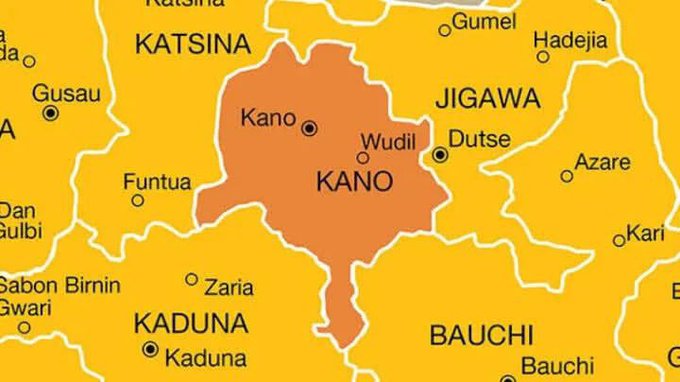
news Kano Woman Stabs Boyfriend, Severs Manhood Completely
 world
world Trump Hails Court Win Over New York Times Lawsuit
 news
news Minister Hails NTA’s World-Class Studio in Tinubu Media Push
How do you feel about this news?
Community Additions
Have a news tip, correction, or extra context about this story? Post it below instantly. All submissions appear live on this screen immediately.