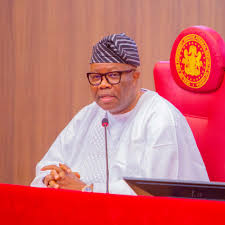
Akpabio’s Budget Blind Spot Sparks Kalu’s Fury Over Senate Oversight
Abuja, Nigeria | July 22, 2026—In a revelation that has stunned observers and deepened public distrust in Nigeria’s legislative leadership, Senate President Godswill Akpabio has admitted he has never seen the budget of the National Assembly—the very institution he leads.
The disclosure, captured in a widely circulated video clip, has triggered sharp criticism from financial analyst Kalu Aja, who accused the Senate leader of focusing more on “sending tokens and approving loans” than on fiscal oversight.
Aja, a prominent voice on public finance, did not mince words in his reaction. “He has never seen the budget of his domain,” he lamented, expressing disbelief while questioning the depth of engagement by top officials with the financial details under their watch.
His comments have amplified ongoing debates about accountability, opacity, and the handling of public funds in Nigeria’s highest legislative body.
Akpabio’s statement came amid discussions surrounding the 2026 Appropriation Bill and broader concerns over legislative finances.
Critics argue that a leader unaware of his institution’s budget signals a troubling lapse in governance, especially as the National Assembly oversees massive public expenditures and approves significant government loans.
The National Assembly’s budget has long faced scrutiny for substantial allocations, with past increases—such as a notable rise in 2025—drawing questions about value for money and transparency.
Aja’s critique highlights a perceived disconnect: leaders approving expenditures without intimate knowledge of the underlying documents.
This episode unfolds against the backdrop of Nigeria’s challenging fiscal environment.
The 2026 budget, presented by President Bola Tinubu and passed in revised form (reaching around N68 trillion in some reports), emphasizes security, infrastructure, and debt servicing amid high deficits and borrowing needs.
Yet, public frustration grows over implementation gaps, unaccounted funds, and the perception that legislative priorities sometimes favor internal comforts over national impact.
Kalu Aja has built a reputation for blunt analysis of Nigeria’s public finances. He has previously flagged issues like poor budget implementation, optimistic revenue projections that fail to materialize, and the risks of excessive borrowing.
His latest intervention fits a pattern of calling for better oversight, data transparency, and results-oriented governance — themes resonating strongly with citizens grappling with economic hardships.
Aja’s remarks have resonated online, with many Nigerians echoing concerns about leadership detachment.
While the Senate leadership has not publicly responded as of this reporting, the incident has renewed calls for stronger mechanisms to ensure elected officials are fully versed in — and accountable for — the budgets they steward.
Nigeria’s budgeting process has faced persistent criticism. Multi-year issues include rollover of unspent capital votes, delays in financial reporting, and debates over allocations (e.g., security receiving over N5 trillion in priorities).
SERAP and other groups have raised questions about specific line items, while analysts like Aja warn of systemic breakdowns in tracking expenditures and outcomes.
Akpabio, a veteran politician from Akwa Ibom, has championed legislative support for executive reforms, including subsidy removal and infrastructure drives.
However, moments like this fuel perceptions of an insular National Assembly more focused on internal processes than rigorous public accountability.
As Nigeria navigates inflation, debt servicing burdens, and the push for economic consolidation in the 2026 budget, transparency in legislative finances is more critical than ever.
Aja’s pointed critique serves as a timely reminder: true leadership demands not just authority, but informed stewardship of the people’s resources.
The conversation continues, with expectations high for the Senate to address these transparency concerns head-on. Nigerians deserve leaders who don’t just approve budgets but understand and own them.
 news
news Tinubu Set to Crush Obi, Atiku in 2027 Poll
 news
news Israel Urges Nigerian Doctors for Capacity Training Abroad
 news
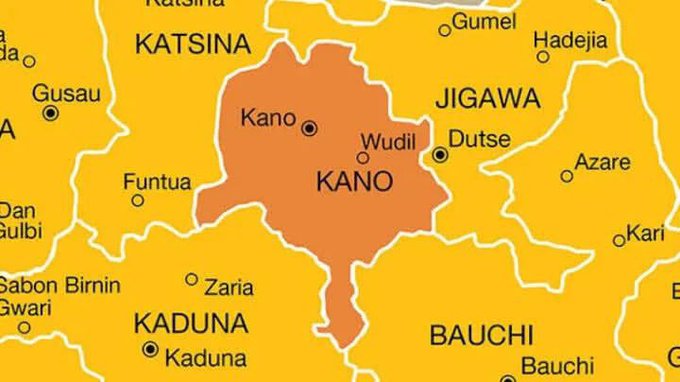
news Kano Woman Stabs Boyfriend, Severs Manhood Completely
 world
world Trump Hails Court Win Over New York Times Lawsuit
 news
news Minister Hails NTA’s World-Class Studio in Tinubu Media Push
How do you feel about this news?
Community Additions
Have a news tip, correction, or extra context about this story? Post it below instantly. All submissions appear live on this screen immediately.