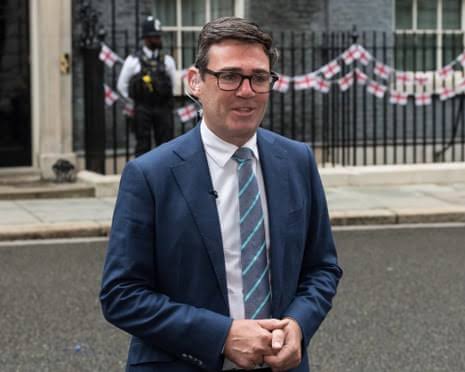
UK’s New PM Andy Burnham Slashes Electricity VAT for Relief
July 21, 2026 - In a swift and symbolic first move as Britain’s new Prime Minister, Andy Burnham has announced the immediate removal of Value Added Tax (VAT) on domestic electricity bills, effective from October 1.
The decision aims to deliver tangible relief to households grappling with persistent energy costs and broader economic pressures.
Burnham, who formally entered 10 Downing Street after meeting King Charles III at Buckingham Palace on Monday, described the cut—reducing the 5% VAT rate to zero—as a practical step to give struggling families “some breathing space.” Analysts estimate the move could save the average household around £45 annually.
The announcement comes amid ongoing global conversations about fiscal policy and its impact on ordinary citizens.
In Nigeria, for instance, the Bola Tinubu administration’s tax reforms have sparked intense debate over their effects on households and businesses already facing inflation and rising living costs.
Burnham’s early focus on direct relief stands in notable contrast, positioning his government as one attuned to immediate cost-of-living concerns.
Funding for the VAT cut will reportedly come partly from cancelling a planned digital identification programme, reflecting Burnham’s emphasis on practical, people-centered priorities in his initial days in office.
The 56-year-old former Mayor of Greater Manchester, often called the “King of the North,” has hit the ground running. In his first address outside Number 10, Burnham pledged a 10-year national strategy to transform Britain’s economy through re-industrialization, expanded public housing, greater devolution of power from Westminster, and stronger public control over essential services.
He also vowed to tackle homelessness—a signature issue from his Manchester days.
Burnham’s cabinet reshuffle signals a clear break from his predecessor Keir Starmer. Key appointments include John Healey as Finance Minister, Ed Miliband as Foreign Minister, and the return of Angela Rayner to government, with Wes Streeting taking the defence portfolio. Several Starmer loyalists were sidelined.
On the international front, the new Prime Minister has already engaged with U.S. President Donald Trump on trade and security matters, while reaffirming Britain’s support for Ukraine in conversations with President Volodymyr Zelenskyy.
Burnham becomes the UK’s seventh prime minister in just over a decade, entering office at a time of public fatigue with political instability.
He has positioned himself as a “circuit breaker,” promising a new political and economic model that prioritizes stability, regional empowerment, and hope for citizens “fed up with politics as usual.”
As Burnham begins reshaping governance from “Number 10 North”—his vision for decentralizing power—early signals suggest a government focused on delivering visible wins on living costs while pursuing longer-term structural reforms.
For many watching from home and abroad, the coming weeks will reveal whether this fresh leadership can translate ambitious rhetoric into meaningful change for a nation hungry for stability and progress.
 news
news Tinubu Set to Crush Obi, Atiku in 2027 Poll
 news
news Israel Urges Nigerian Doctors for Capacity Training Abroad
 news
news Kano Woman Stabs Boyfriend, Severs Manhood Completely
 world
world Trump Hails Court Win Over New York Times Lawsuit
 news
news Minister Hails NTA’s World-Class Studio in Tinubu Media Push
How do you feel about this news?
Community Additions
Have a news tip, correction, or extra context about this story? Post it below instantly. All submissions appear live on this screen immediately.