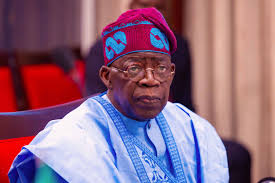
Tinubu Government Rocked by Global Fake Agency Exposé
July 20, 2026—In a stunning revelation that has sent shockwaves through Nigeria’s political landscape and beyond, a shadowy entity known as the Presidential Foreign Intervention Promotion Council (PFIPC) operated for months—possibly years—within the heart of Nigeria’s federal bureaucracy using forged presidential documents, securing office space in the Federal Secretariat, opening Central Bank accounts, and even landing a ₦1.3 billion allocation in the 2026 national budget.
International broadcaster DW Africa has thrust the scandal into the global spotlight, highlighting how fraudsters allegedly exploited weak institutional safeguards under the Bola Tinubu administration to masquerade as a legitimate government body aimed at attracting foreign investment.
The exposé has amplified long-standing concerns about corruption, accountability, and systemic vulnerabilities in Nigeria’s public institutions.
The Rise and Fall of a “Phantom” Council
At the center of the storm is Prince Adeniyi Matthew Adeyemi, who presented himself as the Director-General of the PFIPC (sometimes referred to alongside a Presidential Economic Advisory Council).
According to multiple reports, Adeyemi’s operation ran from an office in the Federal Secretariat Phase III in Abuja.
It conducted meetings with officials, sought diplomatic notes verbales for visas, and engaged in activities that gave every appearance of official legitimacy — until the Presidency publicly disavowed it.
The Presidency, through Special Adviser Bayo Onanuga, has labeled Adeyemi a “con artist” who forged appointment letters bearing the signature of Chief of Staff to the President, Femi Gbajabiamila.
Police investigations reportedly uncovered forged documents, multiple bank accounts (up to 34, some tied to fictitious entities), and evidence of impersonation.
Adeyemi faces an eight-count criminal charge including conspiracy, forgery, and impersonation. Gbajabiamila has been listed as a key witness.
Yet the story is far from straightforward. Official documents obtained by outlets like Punch and BusinessDay show the Office of the Secretary to the Government of the Federation (SGF) received and acted on correspondence from the PFIPC as early as late 2024, forwarding it to anti-graft agencies.
Questions persist about how a supposedly non-existent agency secured budgetary recognition and nearly activated funding.
Bribery Allegations and Counter-Claims
Adeyemi has pushed back vigorously. In interviews, including a viral one with activist VeryDarkMan (Martins Otse), he denies forging documents and claims he never met Gbajabiamila in person — only communicating through intermediaries.
He alleges the Chief of Staff demanded bribes: ₦400 million paid via proxy, with ₦200 million outstanding, plus 48% of the agency’s proposed ₦27.4 billion take-off grant.
He maintains the council was a genuine initiative to boost foreign investment and that the accusations aim to silence him.
The Presidency has strongly denied these claims, cleared Gbajabiamila of wrongdoing, and expressed “100% confidence” in him.
President Tinubu has directed the Independent Corrupt Practices Commission (ICPC) to conduct a thorough investigation, with a 30-day reporting deadline, including scrutiny of any public officials involved.
Budgetary Mystery and Legislative Response
One of the most troubling aspects remains the ₦1.3 billion allocation in the 2026 budget.
The Senate has distanced itself, stating lawmakers neither recommended nor inserted the line item, while the House of Representatives has moved to probe it.
The Office of the Accountant-General insists no funds were released and no operational CBN account was fully activated, contradicting some earlier Presidency statements.
Critics, including opposition figures like Atiku Abubakar, have called for Gbajabiamila’s suspension and a broader probe, arguing the episode exposes dangerous gaps in oversight that erode public trust in governance.
Global Embarrassment and Calls for Accountability
DW Africa’s coverage has framed the saga as emblematic of deeper issues: “A fake government agency operated for months using forged documents and false authority. This shows how deeply rooted fraud and corruption are in Nigeria.”
The story has fueled discussions on transparency, the integrity of budgetary processes, and the risks of institutional capture.
As investigations unfold, Nigerians and the international community await answers. Will the ICPC probe deliver credible findings?
How did forged documents penetrate multiple layers of government? And what reforms are needed to prevent such embarrassments in the future?
This scandal arrives at a time of heightened scrutiny on the Tinubu administration’s economic and anti-corruption credentials.
For a government promising renewed hope, the PFIPC affair serves as a stark reminder that robust checks and balances are not optional—they are essential to restoring faith in public institutions.
 politics
 Adebayo Challenges Tinubu: Where Is Subsidy Money? Come Out and Account for It
 politics
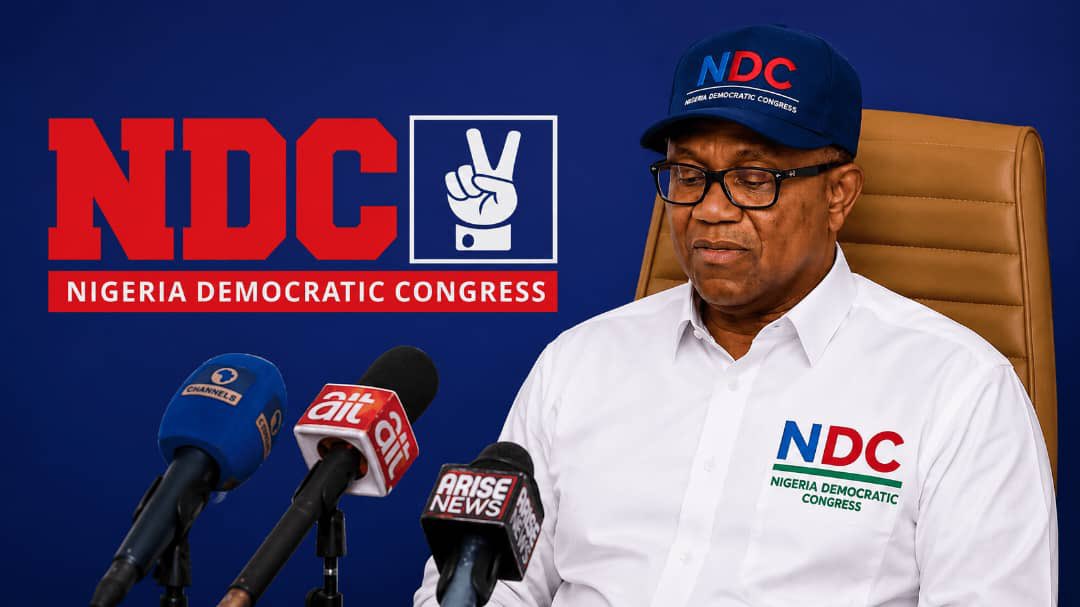
 NDC Wins Logo Battle as Abuja Court Orders INEC to Use Modified Design
 news
news Atiku Exposes Tinubu’s FAAC Scam: Bigger Naira, Poorer Nigerians
 news
news Police Arrest Hafsat Abubakar Over Fake Fintech Shutdown Document Circulated Online
 politics
 Sowore Declares Peter Obi Yelwata Blockade Government-Sponsored Political Attack
How do you feel about this news?
Community Additions
Have a news tip, correction, or extra context about this story? Post it below instantly. All submissions appear live on this screen immediately.